A Checklist for the First 24 Hours in a New City
Before any sightseeing, spend your first day getting connected, getting cash or a working card, learning the transit, and getting your sleep on local time.

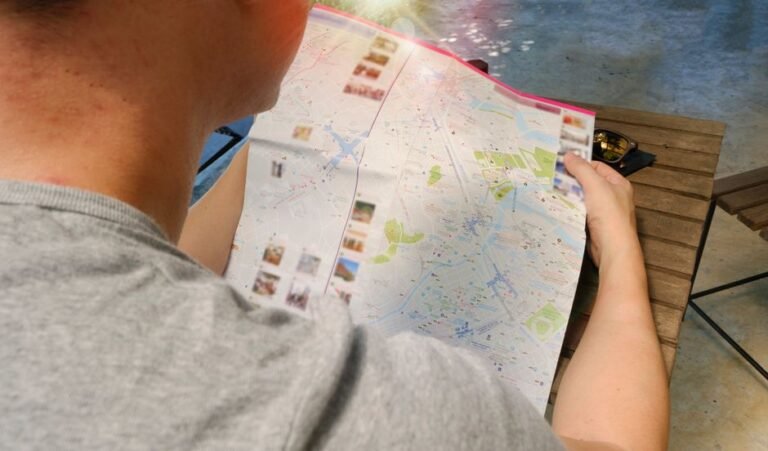
Before any sightseeing, spend your first day getting connected, getting cash or a working card, learning the transit, and getting your sleep on local time.

A good overnight layover comes down to deciding early where you’ll sleep, then packing your carry-on so you never need your checked bag.

Travel sites win for comparison and bundles; booking direct usually wins when plans change or something goes wrong.

Lounge entry comes through a premium ticket, airline status, a membership, a credit card perk, or a one-time pass, and each has its own fine print.
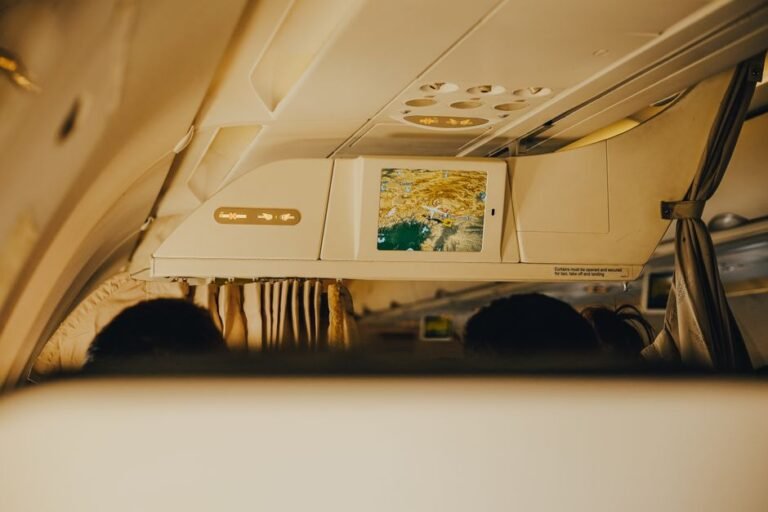
On a tight connection, a seat near the front on the aisle can save you the minutes that decide whether you make the next flight.

Decide what goes in your carry-on by what you couldn’t do without for three days, not by what fits, and check the bulky, replaceable items.
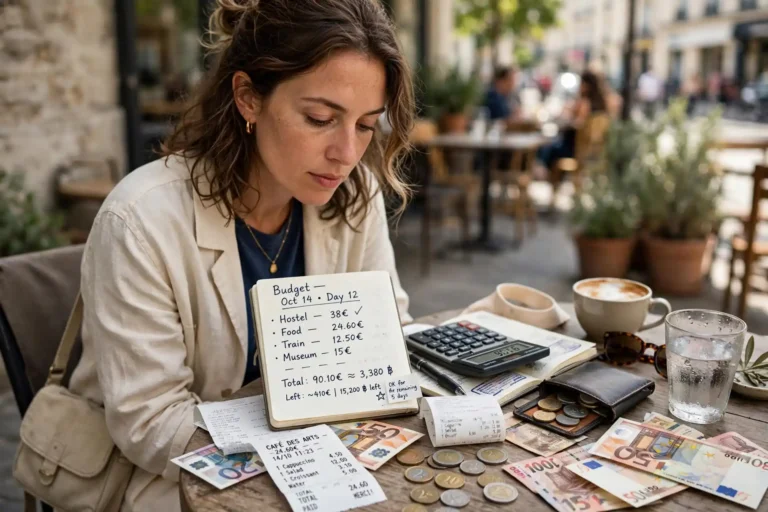
Daily travel budgets usually fall short on small recurring costs like transit, snacks, local taxes and card fees rather than on the big-ticket items.
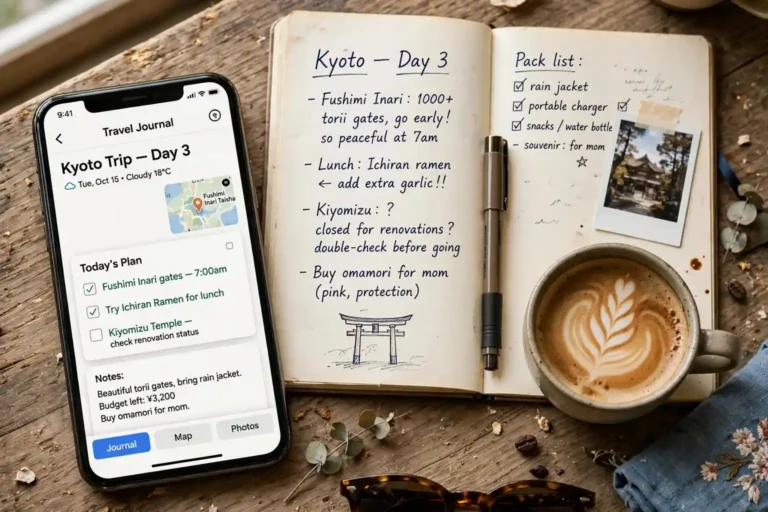
Journaling apps add automatic location maps, photo placement, backup and search, while a paper notebook still wins on focus and battery-free reliability.

Counted door to door, an overnight train often beats a short flight on time and can replace a hotel night, but the flight still wins in some cases.
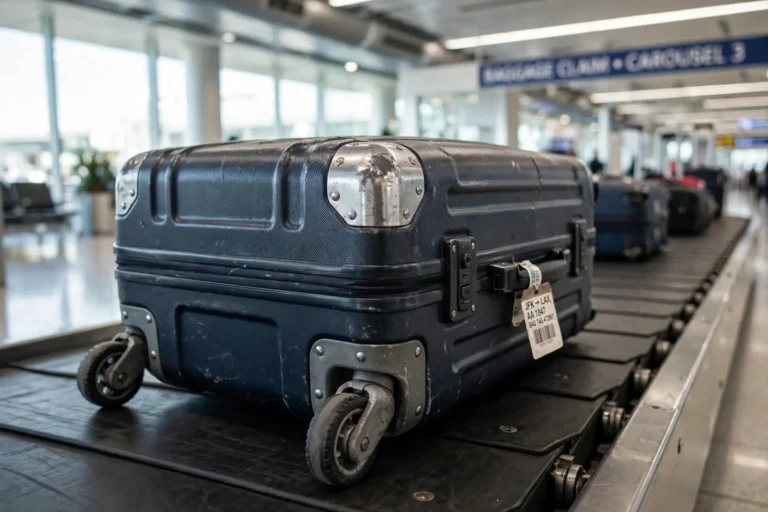
Wheels, handles, and shell material predict whether a suitcase survives baggage handling far better than brand name or price.