What “Dry Clean Only” Means, and When You Can Ignore It
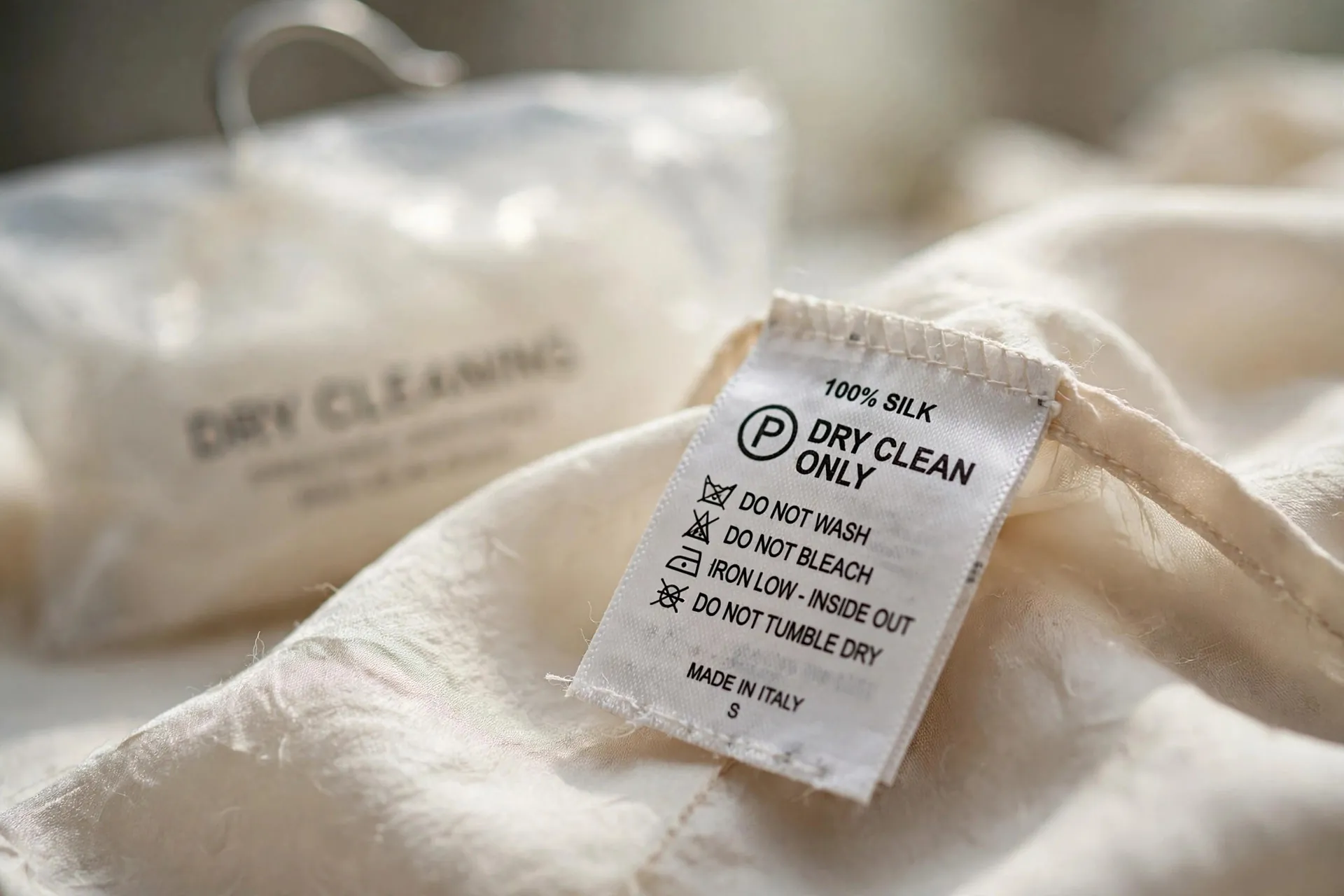
The dry clean only meaning most shoppers assume, that the fabric can’t handle water at all, usually isn’t quite right. In the United States, “dry clean only” is a legal label, not just a suggestion: a manufacturer can only put those words on a garment if they have evidence a normal wash would damage it, and once the label says it, they’re required to warn you rather than leave you to find out the hard way. That’s the part most people don’t know, and it changes how much you should trust the label.
The Dry Clean Only Meaning Behind the Label
Garments earn a dry clean only label for a few real reasons: fibers like silk, wool, and rayon that shrink or lose shape in water and a dryer’s heat; structured pieces with interfacing or padding that a washing machine’s agitation would warp; and dyes that bleed or fade under conventional washing. In those cases, the label is protecting the garment, not padding your dry cleaning bill.
When the Label Is About Liability, Not Fabric Risk
Manufacturers sometimes label a garment dry clean only simply because they never tested it any other way, and testing costs money while the label is free insurance against returns and complaints. A plain cotton or linen piece with no lining, no structure, and no delicate trim is a common example: those fabrics usually wash fine, but if the tag doesn’t say so explicitly and something goes wrong, the manufacturer wants no part of the claim.
The FTC’s Care Labeling Rule requires manufacturers to have reliable evidence behind every care instruction, but it doesn’t require them to test every possible alternative method. A label can be accurate and still be more cautious than the fabric strictly needs.
How to Tell the Difference
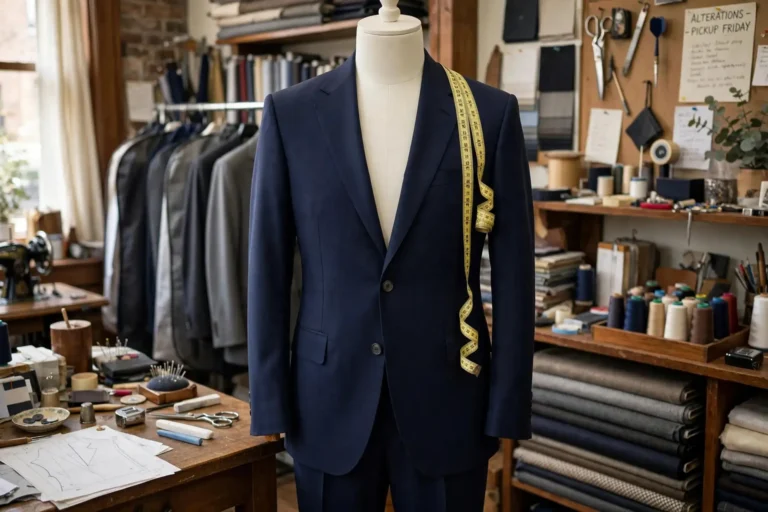
Check the fiber content tag alongside the care label. If it’s a simple, unlined cotton or linen garment with no beading, sequins, or bonded layers, hand-washing in cold water is usually low-risk even with a dry clean only tag, as long as you test on an inside seam first and skip the dryer entirely. If the garment has structure, lining, delicate trim, or is made of silk, wool, or rayon, treat the label as binding. The cost of a ruined blazer is higher than a few dry cleaning bills.
The Safer Middle Ground
A lot of dry clean only garments will tolerate a gentle steam refresh or spot cleaning between actual cleanings, which stretches the time between trips to the cleaner without risking the fabric. Always test any at-home method on a hidden seam first, and stop immediately if you see color transfer or puckering.
When a garment is expensive, structured, or one you can’t easily replace, following the label costs less than being right about which pieces would have been fine to wash.
Sometimes It’s the Construction, Not the Fabric
Some garments are dry clean only because they’re delicate to work with, not because water damages the fiber chemically. Sequins, embroidery, and bonded seams can survive a professional press but come apart in a home washer’s agitation cycle, even though the base fabric underneath would tolerate a gentle wash on its own. That’s a construction risk, not a fiber risk, and it’s one hand-washing at home can’t fully account for.
What the Label Is Really Telling You
Dry clean only is a manufacturer’s instruction, but it is also a legal shield. Care labels in the United States follow FTC rules requiring instructions for at least one safe cleaning method, and manufacturers often choose dry cleaning as the default because it is the lowest risk option for them, not necessarily the only safe option for you. Many garments labeled dry clean only can be safely hand washed or gently machine washed. Many cannot. The difference is rarely obvious from the outside, which is exactly why the assessment matters. Knowing the difference saves hundreds of dollars over a wardrobe’s lifetime.
The label reflects the most delicate component of the garment, not necessarily the main fabric. A wool blazer labeled dry clean only might have a main fabric that would hand wash fine, but fused interfacings that would bubble and delaminate in water, or shoulder pads that would lose shape. The instruction protects the weakest link. Understanding garment construction, the same skill behind judging whether clothing is worth repairing, is what lets you evaluate the real risk.
Fabrics That Usually Mean It
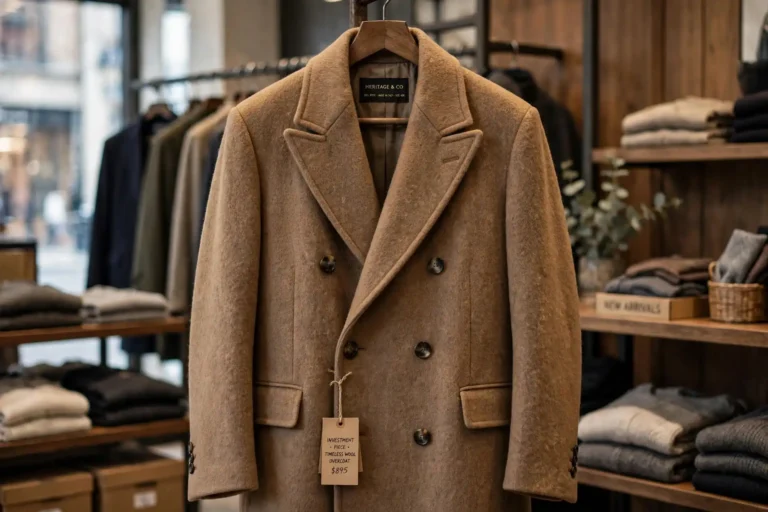
Take the label seriously for structured garments: tailored suits, blazers with canvassed construction, anything with shoulder pads or fused interlinings. Take it seriously for leather, suede, and fur, where water causes irreversible damage. Take it seriously for heavily beaded or sequined garments, where water loosens adhesives. Take it seriously for pleated garments, where water can destroy the pressing permanently. Knife pleats and crystal pleats are set with heat and pressure at the factory, and once water relaxes them, no home ironing restores the original sharpness. These are cases where the dry clean instruction reflects genuine material vulnerability.
Fabrics You Can Often Wash Gently
Many simple garments labeled dry clean only are washable with care. Unstructured wool sweaters, silk blouses without interfacings, cashmere, and simple lined skirts often survive gentle hand washing perfectly well. The test is construction simplicity: if the garment is essentially one layer of fabric with simple seams and no structural elements, water is unlikely to harm it. The risk concentrates in the hidden engineering, not the visible cloth.
The safe test procedure for a questionable garment: hand wash in cool water with a gentle detergent, do not wring, roll in a towel to remove moisture, and dry flat away from heat. Start with an inconspicuous area if you are nervous. One successful wash tells you more than any label. But never test on something irreplaceable or deeply valuable. The stakes should match your confidence.
The Cashmere and Wool Exception
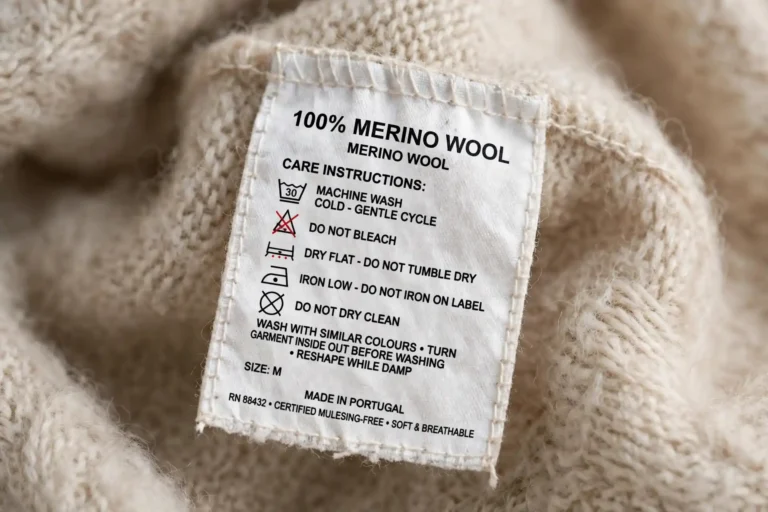
High quality wool and cashmere are actually damaged more by dry cleaning chemicals over time than by proper hand washing. Perc, the standard dry cleaning solvent, strips natural oils from animal fibers gradually, making them brittle. Gentle hand washing with appropriate detergent preserves these fibers better across many cleanings. This is why knitwear enthusiasts overwhelmingly hand wash despite dry clean labels. A basin of cool water, a capful of wool wash, and ten minutes of gentle squeezing beats a trip to the cleaner for both the sweater and your wallet. The label protects the manufacturer. Your hands protect the sweater.
When Dry Cleaning Is Worth the Money
Pay for professional cleaning when the garment’s value justifies it and the risk is real: suits, formal wear, structured coats, and anything with complex construction. Also pay when the stain is beyond home treatment. Oily stains, wine, and set in marks often need professional solvents. Attempting aggressive home stain removal on a valuable garment frequently makes things worse, and a spreading water mark on silk is harder to fix than the original stain.
Choose your cleaner carefully. Ask about their experience with your fabric type, their solvent, and their pressing methods. A bad dry cleaner damages clothes faster than careful home washing. Look for cleaners who do finishing by hand for structured garments rather than machine pressing everything flat. The price difference between adequate and excellent dry cleaning is small compared to the value of the clothes entrusted. For building a wardrobe that minimizes these dilemmas, capsule wardrobe essentials favor versatile, easy care pieces. More clothing care guides are at Factblaze.
Frequently Asked Questions
What happens if I machine wash something labeled dry clean only?
It depends entirely on the garment. Simple unstructured items often survive fine on delicate cycle. Structured items may suffer bubbling interfacings, shrunken linings, distorted shape, or damaged trim. The risk is real but not universal, which is why construction assessment matters more than blanket rules.
Is dry cleaning actually bad for clothes?
Modern dry cleaning is gentler than old methods, but repeated perc exposure does degrade natural fibers over time and can fade dyes. It is not harmful in the way people fear for occasional use, but garments cleaned after every single wear will show chemical wear faster than those spot cleaned and washed appropriately between professional cleanings.
Can I use home dry cleaning kits?
Home kits refresh garments and remove light odors using a dryer activated cloth, but they do not truly clean. They are useful between professional cleanings for structured garments, not as a replacement for actual cleaning. Do not expect them to remove real stains.
How often should suits be dry cleaned?
Far less often than most people do. Brush after wear, air out, spot clean marks, and dry clean only when genuinely soiled or once per season of regular wear. Over cleaning wears suits out faster than wearing them does.
Does dry clean only mean I cannot steam it?
Steaming is generally safe for dry clean only garments and is excellent for removing wrinkles and refreshing between cleanings. Keep the steamer moving and at a distance. Avoid steaming leather, suede, or waxed fabrics.
Conclusion
Dry clean only is a starting point for judgment, not a commandment. Assess the garment’s construction: simple and unstructured often means washable with care, while tailored, interfaced, or embellished means the label is serious. Hand wash quality knits confidently, pay professionals for structured pieces, and steam everything in between. The money saved on unnecessary dry cleaning is significant, but the real win is understanding your clothes well enough to care for each appropriately. For textile care standards, the American Association of Textile Chemists and Colorists publishes the test methods behind care labeling.