How to Tell If a Piece of Clothing Is Worth Repairing
Whether it’s worth repairing clothing comes down to one comparison: whether the fix costs less than half of what a comparable replacement would, and whether the garment still fits and suits you the way it did before the damage. Past that rough line, you’re usually paying to delay a purchase rather than saving money.
Is It Worth Repairing Clothing? Weigh the Real Replacement Cost
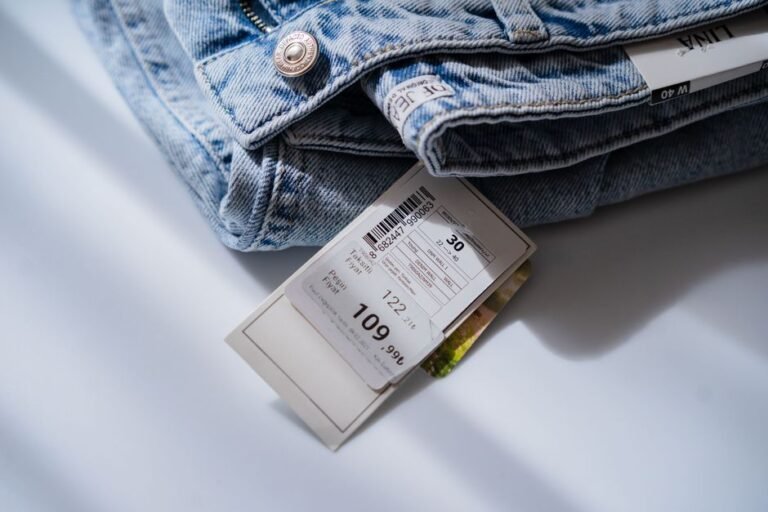
Compare the repair quote to what you’d pay for a similar-quality replacement, not the original retail price you paid years ago. A $15 resole on a pair of leather boots that cost $180 new is an easy yes. A $60 relining on a $70 fast-fashion coat is not, because you could likely replace the coat outright for close to the repair cost, and the replacement would come with fresh everything, not just one fixed part.
What Kind of Damage You’re Dealing With
Some damage is routine and cheap to fix well:
- A popped seam or hem, especially on natural fibers that hold stitching well.
- A broken zipper on an otherwise sound garment — zippers are replaceable and rarely the reason to give up on a piece.
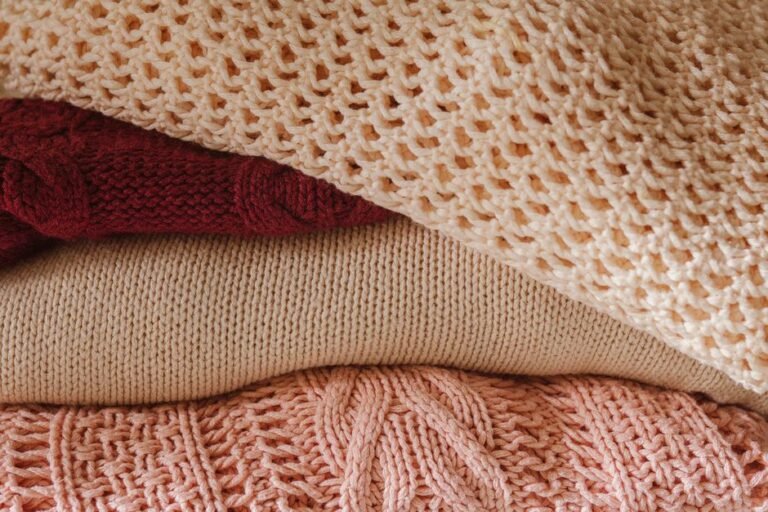
- A missing button, a small moth hole in wool, or a pilled surface that a sweater comb can address, similar to what’s covered in fixing sweater pilling.
Other damage is a harder call. A stretched-out knit rarely bounces back, no matter how it’s mended. A tear along a seam that’s already under stress, like the crotch of pants, tends to fail again nearby. And once elastic has gone slack throughout a whole garment rather than in one spot, replacing it is a full rebuild, not a repair.
Fit and Fiber Quality Decide the Rest
If the piece fit you well and you reached for it often before it broke, that’s worth more than the math suggests, because replacing a garment that worked doesn’t guarantee finding another one that fits the same way. Natural fibers like wool, cotton, and leather also tend to repair more invisibly than synthetics, which can be worth factoring in alongside cost.
There’s a bigger pattern behind this decision, too. Textiles make up a significant share of what ends up in landfills in the U.S. each year, and a lot of it is clothing that needed a small fix rather than a full replacement. Getting into the habit of checking with a tailor or cobbler before tossing something extends the life of pieces that were otherwise fine.
Rotating pieces properly between seasons also keeps small damage from becoming bigger damage, which ties back to some of the more common mistakes people make storing clothes — a moth hole caught early is a repair, caught late it’s often a loss.
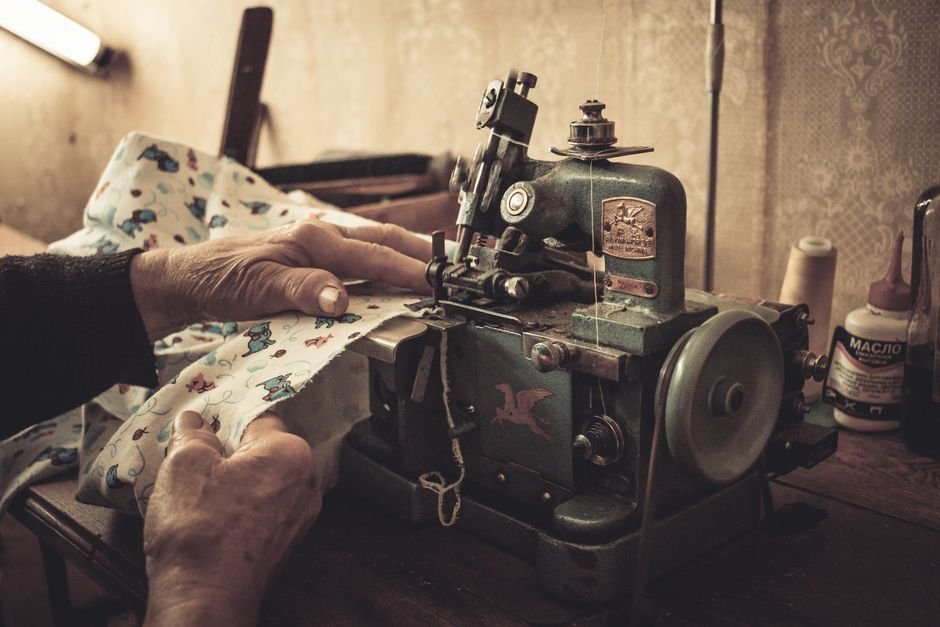
A loose button or a hem you can pin straight is worth doing yourself with a basic sewing kit. Anything involving a broken zipper, structural stitching, or leather usually turns out better, and lasts longer, in the hands of someone who repairs for a living rather than a first attempt with a glue gun.
When in doubt, get a real quote before deciding. Guessing at repair cost tends to overestimate it, and a five-minute conversation with a tailor is cheaper than either extreme.