
How to Build a Capsule Wardrobe Around Five Pieces
Pick five pieces that share one neutral color story and can each pair with the other four, and you already have more outfit combinations than most closets ten times the size produce. The point of a five piece capsule wardrobe isn’t owning less for its own sake; it’s owning fewer things that actually combine, instead of a closet full of pieces that only work with one specific item you may not even own anymore.
Choosing Your Five Piece Capsule Wardrobe Around Function, Not Trend
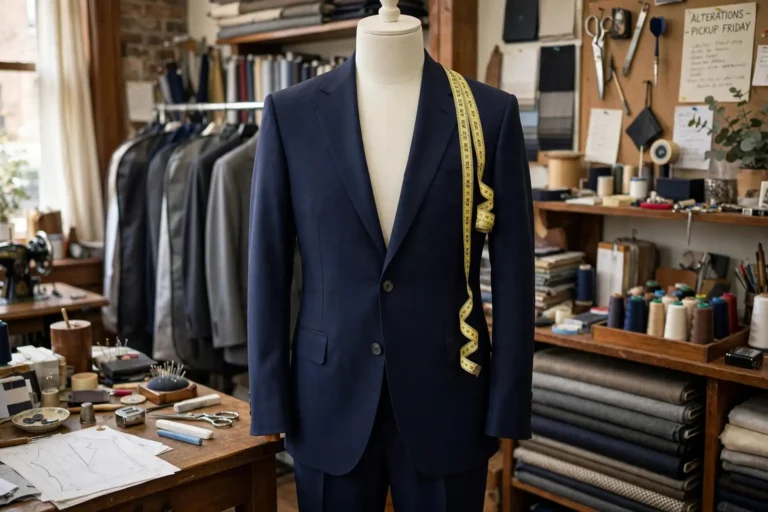
A workable five-piece core usually looks something like: one pair of trousers, one skirt or second pair of pants in a different silhouette, one button-up or blouse, one sweater or cardigan, and one jacket or blazer. Pick pieces you’d wear on a normal week, not aspirational items for a life you don’t currently have. A tailored blazer is only a good pick if you go somewhere that calls for one.
Anchor the Color Palette First
Before you pick a single item, decide on two or three colors that work together: usually one dark neutral, one light neutral, and one accent. Every piece has to fit that palette. This is the step people skip, and it’s the reason a lot of “capsule wardrobes” end up as five nice items that don’t combine, because the blue doesn’t match the other blue.
Do the Combination Math
Five pieces that can each pair with the other four in a top-plus-bottom combination gives you around six to eight distinct outfits before you even add shoes, layering, or accessories. Add a scarf, a second pair of shoes, and a layering tee, and the number climbs fast. Write the combinations down the first time; it’s a useful check on whether the pieces really work together or just look good sitting separately on hangers.
Build Around What You Already Own
Before buying anything new, lay out what’s already in your closet and see how close you are to a working five-piece core. Most people already own two or three pieces that qualify; the gap is usually one connecting item, like a cardigan that bridges two color families. Buying fewer, more compatible pieces also cuts down on what eventually gets discarded. The EPA’s data on textile waste puts a number on how much clothing gets thrown away each year, part of the case for a wardrobe built around pieces that combine instead of ones that just accumulate.
A capsule wardrobe isn’t a permanent state. Swap pieces seasonally, keep the same discipline about color and combination, and the system keeps working long after the first five pieces wear out.
Accessories Do More Work Than People Expect
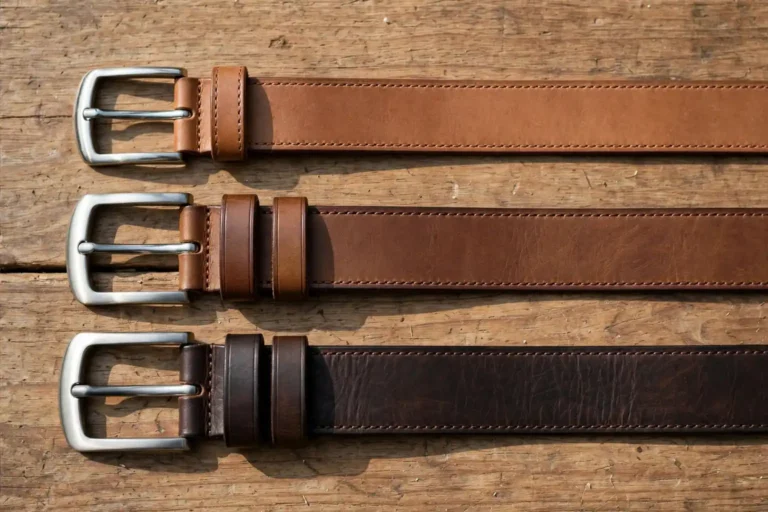
A scarf, belt, or pair of shoes in a different color from your core palette can make the same five pieces read differently across a week without adding to the wardrobe itself. Treat accessories as the variable and the five core pieces as the constant; that keeps the system cheap to refresh seasonally, since a fifteen-dollar scarf changes an outfit’s read more than a sixth garment would.
Five pieces sounds impossibly small until you realize most of us wear the same handful of favorites on rotation anyway. A capsule wardrobe just makes that instinct deliberate: five versatile pieces, chosen to work together, covering the majority of your week. What follows is how to pick the five, how to multiply them into real outfits, and how to keep the system working season after season.
Choosing Your Five
Start with an honest closet audit, not a shopping list. Pull out the ten things you actually wore last month; the pattern in that pile is your personal uniform, and your five should be its best version. The classic five-piece formula covers the bases: a crisp top that works tucked or untucked, a bottom in a dark neutral that goes with everything, a layering piece like a blazer or cardigan that elevates anything under it, a knit or second top for variety, and a shoe that handles both casual and polished settings. Your exact five will differ by climate and lifestyle, but the principle holds: every piece must pair with every other piece.
Quality matters more here than in a full closet because each piece works overtime. Check seams, fabric weight, and hardware before buying, since one failing piece breaks twenty percent of your wardrobe. If you want a broader starting checklist before narrowing down, our list of capsule wardrobe essentials covers the full foundation pieces worth considering.
Turning Five Pieces Into Real Outfits
The math is friendlier than it looks. Five interchangeable pieces produce far more than five outfits once you vary combinations, tucking, layering order, and accessories. A white shirt plus dark trousers reads office; the same shirt open over a tee with sleeves rolled reads weekend; add the blazer and swap the shoe and it reads dinner.
Work Looks
Lead with the layering piece. Blazer over the crisp top with the dark bottom is the backbone; rotate which top sits underneath and whether the layer is buttoned. A simple change like rolling sleeves or adding a watch shifts the same clothes from Monday to Thursday.
Weekend Looks
Drop the structured layer and let the knit and casual shoe do the work. Untucked tops, sleeves pushed up, and relaxed footwear turn the identical five pieces into something that looks nothing like the office version.
Evening Looks
This is where accessories earn their keep. The same dark bottom and crisp top become evening-appropriate with the blazer, a better shoe, and one deliberate detail: a pocket square, a necklace, a sharper belt. Nobody counts your clothes; they register polish.
Color and Fabric Do the Heavy Lifting
With five pieces, color discipline is everything. Build on two or three neutrals that flatter you, navy, charcoal, white, camel, black, and add at most one accent color. Neutrals guarantee interchangeability; the accent keeps it from feeling like a uniform. If you are unsure which neutrals suit you, start with seasonal color palettes matched to your complexion and hair, since the right neutral against your skin does more than any trend.
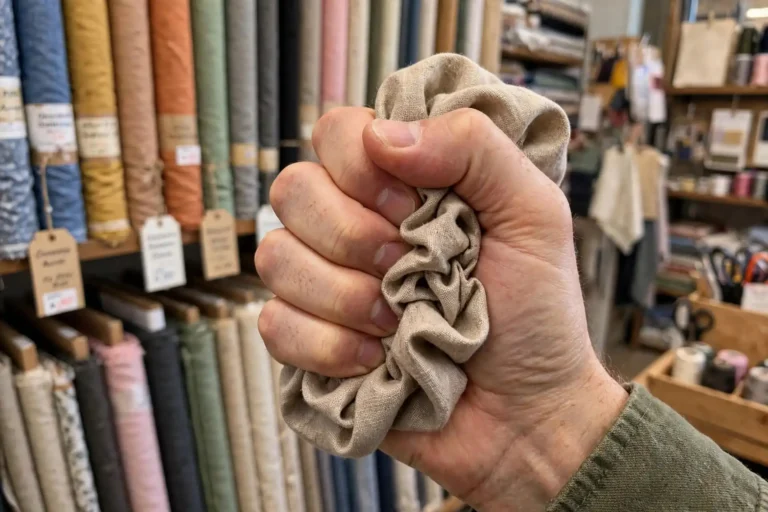
Fabric choice is the quiet multiplier. Natural fibers and good blends hold their shape through repeated wear, resist pilling, and look better at the end of the day than cheap synthetics. Check that fabrics across the five share a similar weight and formality so nothing clashes; a heavy tweed blazer fights a tissue-thin tee. And buy the best you can afford per piece, because cost-per-wear on a garment worn fifty times a year beats a bargain worn twice.
Care, Rotation, and Repair
A five-piece wardrobe lives or dies on maintenance. Wash less often than you think; airing, spot cleaning, and steaming handle most refresh needs and extend garment life dramatically. Rotate wear so no single piece does five days straight, giving fibers and shoes recovery time. Learn basic repairs: a loose button, a dropped hem, and a small tear are ten-minute fixes that keep a favorite in service for years.
This is also where the system pays environmental dividends. The Ellen MacArthur Foundation’s fashion research shows that extending the active life of clothing is among the most effective ways to cut fashion’s footprint, since most impact sits in production. A capsule wardrobe you maintain and repair is circular fashion in its simplest form: buy less, wear longer, waste nothing.
Knowing When to Swap a Piece
Capsules are not frozen. The rule is one in, one out: when a piece wears out, no longer fits your life, or simply stops getting worn, replace it with something that fills the same slot. Review seasonally. A winter knit gives way to a lighter layer; a worn shoe gets resoled or replaced. Track cost per wear loosely; when a replacement candidate cannot plausibly beat the outgoing piece’s versatility, it is the wrong candidate. The goal is a wardrobe that evolves without growing.
Frequently Asked Questions
Is five pieces really enough for a whole week?
For most routines, yes, because interchangeability multiplies combinations well beyond five outfits. People with highly varied dress codes, like alternating between construction sites and boardrooms, may need a slightly larger capsule.
Do shoes and accessories count in the five?
Count what you want to constrain. Most people count the core garments and treat one versatile shoe plus minimal accessories as the supporting cast. The number is a discipline tool, not a law.
How do seasons work with only five pieces?
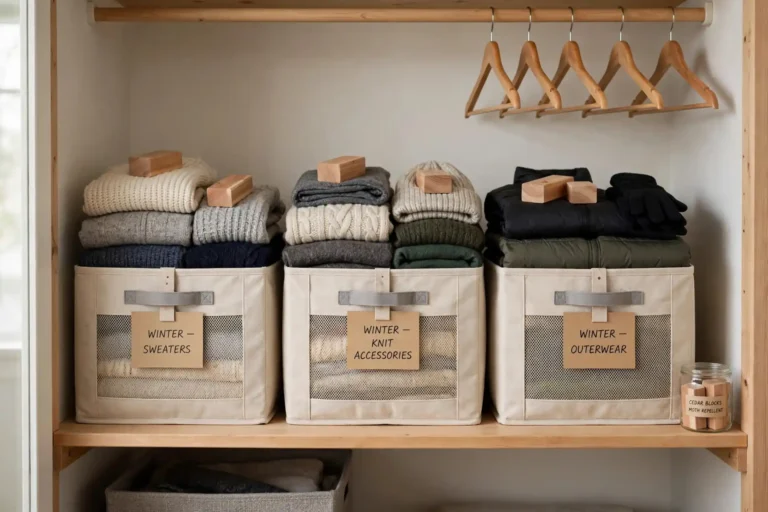
Rotate the capsule seasonally rather than owning five total pieces forever. A spring five might swap the heavy knit for a lighter layer and the boot for a loafer. Store off-season pieces properly so they return in good shape.
Can I include patterns or should everything be solid?
One subtle pattern, like a fine stripe or small check, adds interest without breaking interchangeability. Keep the rest solid so the patterned piece always has partners.
What budget makes sense for five pieces?
Spend per piece what you would normally spend, then divide by expected wears. A well-made blazer worn a hundred times a year costs pennies per wear; that math justifies buying better than you might for a full closet.
Conclusion
A five-piece capsule works because constraint forces compatibility: every piece earns its place by pairing with all the others, color discipline keeps combinations effortless, and good fabric plus simple maintenance keeps the small wardrobe looking sharp for years. Audit your real habits, pick five that cover them, and let the outfits multiply. For more wardrobe and style guidance, visit Factblaze.