Slim vs Regular Fit: What Actually Changes
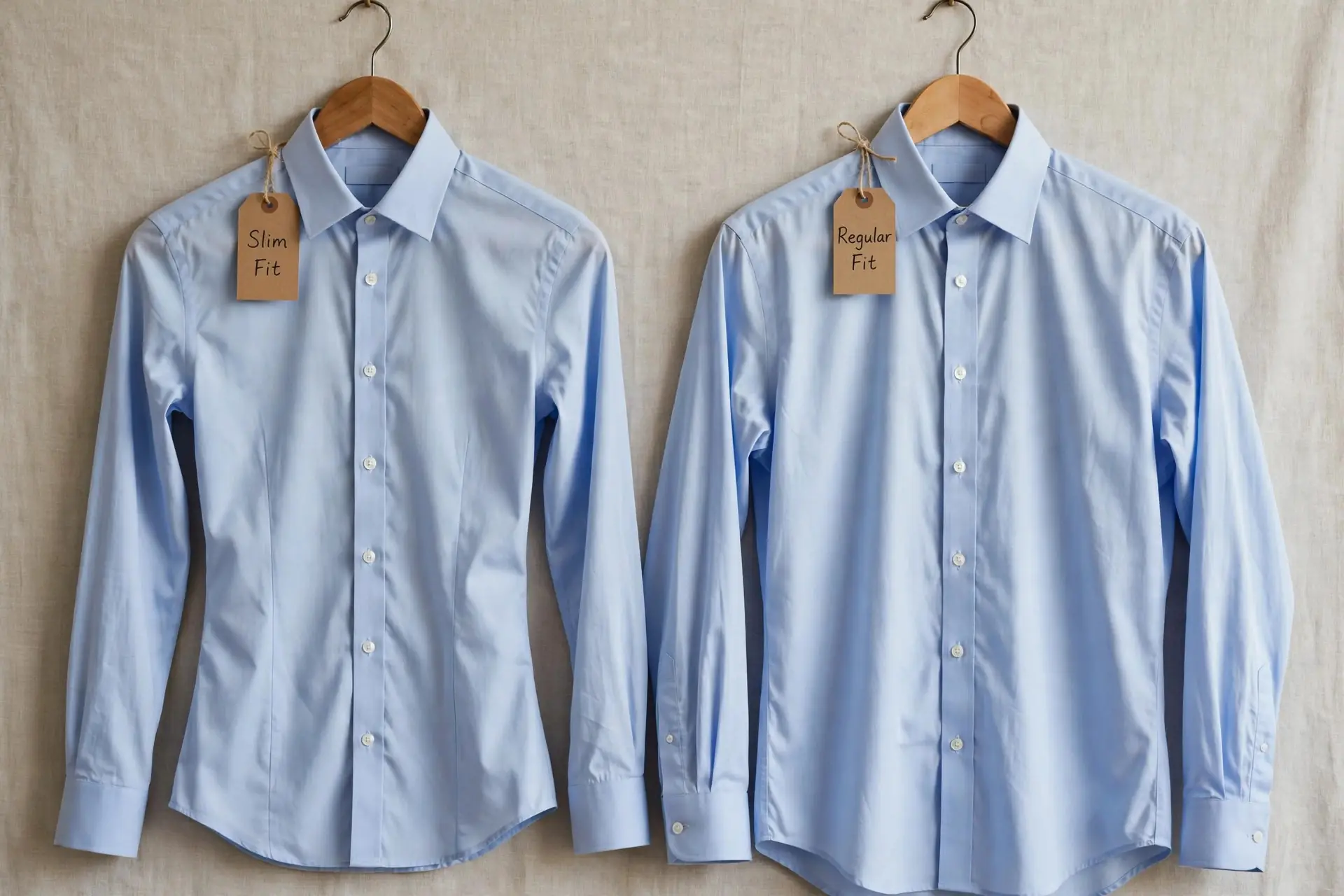
The difference isn’t just “tighter.” Slim fit removes fabric at specific points — the thigh, the side seam, the upper arm — while regular fit keeps a straighter line from the widest part of your body down. That’s why a slim shirt and a regular shirt in the same chest size can fit identically at the shoulders but look completely different everywhere else.
Where the Fabric Comes Off
On pants, slim vs regular fit shows up most in the thigh and the leg opening. A regular fit holds roughly the same width from hip to hem, giving room to move and layer. A slim fit tapers steadily from the thigh down, so the fabric sits close to the leg rather than skimming past it. The rise — where the waistband sits — is usually similar between the two; the taper is what changes, not the waist.
On shirts and jackets, the difference shows up at the side seam and the sleeve. A slim cut is taken in through the torso and upper arm, so it follows the line of your body instead of hanging straight from the shoulder. A regular cut leaves extra fabric through the midsection, which is more forgiving of movement but can look boxy on a smaller frame and pull at the buttons on a larger one.
What Doesn’t Change Between the Two
Shoulder width is set by the garment’s size, not its fit category, so sizing up for more room through the body will also push the shoulder seam past where it should sit. If the shoulders fit in a regular cut, they should fit the same way in the slim version of the same size — that’s the part worth checking first, since it’s the hardest thing to alter after the fact. A blazer that fits well at the shoulders follows this rule regardless of whether the rest of the cut is slim or regular.
Which One to Choose
Neither fit is more correct than the other; they suit different body proportions and different uses. A slim cut layers poorly under a sweater or jacket because there’s no spare room, but it reads cleaner under a blazer with nothing else on top. A regular cut is the safer choice for anything you’ll wear over another layer, or for pieces you want to keep wearing if your size shifts slightly over a year or two.
Off-the-rack tailoring can only take a regular fit in so far — it can’t replicate a true slim cut’s proportions — so if you’re deciding between having something altered or buying it slim from the start, that’s the deciding factor. The same logic that separates a well-tailored suit from one that just fits applies here: the cut should follow your real shape, not just your size on a chart. For the technical side of how these categories get defined at all, ASTM International publishes the body-measurement standards much of the apparel industry references.
Slim and regular are the two words doing the most work on a clothing tag, and they mean something specific at every point of the garment. The overview above sketches the difference. Below is the full picture: exactly what changes, how each fit behaves on different bodies, and how to choose in the fitting room without guessing.
What Actually Changes Between the Two Fits
Fit labels describe a pattern of differences that runs through the whole garment, not just one measurement. Here is what shifts when you move from regular to slim, piece by piece.
Shoulders and chest
The shoulder seam is the anchor of any jacket or shirt, and slim fits typically narrow it slightly while cutting the chest closer to the body. On a suit jacket, a slim cut might take an inch or more out of the chest circumference compared to the regular version of the same size. Shoulders are the hardest part of a garment to alter, so this is the area where fit matters most. A regular fit gives the chest and shoulders more ease, which reads as traditional and comfortable, while a slim fit follows the torso more closely.
Waist and seat
Through the waist, slim fits suppress more fabric, creating a tapered silhouette from chest to waist rather than the straighter line of a regular fit. In trousers, this continues through the seat and thigh: a slim trouser sits closer with a narrower leg opening, while a regular trouser keeps a straighter, more generous line from hip to ankle.
Thigh, knee, and taper
The taper below the knee is where slim fits announce themselves most clearly. A slim trouser narrows progressively toward the ankle, while a regular fit keeps the leg width relatively consistent. Deep knee bends, stairs, and long sits all feel different, which is why trying the actual movements of your day matters more than standing still in front of a mirror.
How Each Fit Behaves on Different Body Types
On a lean, straight build, slim fits usually look clean and intentional, following the body’s lines without excess fabric. On a more muscular or broader build, the same slim cut can pull at the thighs, strain buttons, and look tight rather than tailored. This is a mismatch between the pattern and the frame, not a failure of the body.
Athletic builds with larger thighs and narrower waists often find that regular fits swim at the waist while slim fits strain at the thigh. The honest answer for this body type is frequently neither off the rack without tailoring, or a dedicated athletic fit if the brand offers one. For broader midsections, regular fits provide comfort and a clean line, while slim fits tend to emphasize exactly the area the wearer wanted to minimize.
Height plays a role too. On taller frames, the taper of a slim fit can look proportional and modern. On shorter frames, an aggressive taper can make legs look shorter. None of these are rules, just tendencies to check in the mirror.
Fabric and Stretch Change the Equation
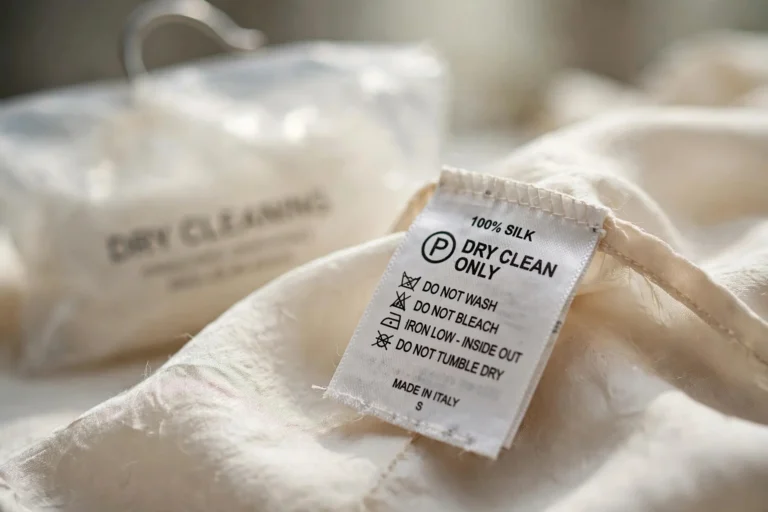
The same fit label behaves completely differently in different fabrics, which is why a slim that works in one garment fails in another. A slim trouser in a fabric with two or three percent elastane moves with you and forgives a close cut. The identical pattern in a rigid non-stretch wool will feel restrictive and show every pull line. When trying slim fits, always check the fabric content on the tag before judging the fit.
Fabric weight matters as well. Heavier fabrics drape rather than cling, so a slim cut in a substantial wool can look sleek without feeling tight. Lightweight fabrics with no structure collapse onto the body, making a slim fit look painted on. Season and occasion push in the same direction: structured fabrics for tailored pieces, forgiving blends for anything you will sit in all day.
This is also where price shows up honestly. Well-made slim garments are patterned with the close fit in mind, with adjusted pocket placement and ease built into the right places. Cheap slim garments are often just regular patterns scaled down, which is why they pull in odd places. If a slim fit feels wrong in ways you cannot name, the pattern, not your body, is usually the problem.
The Fitting-Room Checklist
Forget the label for a moment and run every garment through the same physical tests. These take ninety seconds and tell you more than any size chart.
Sit, reach, and walk
Sit down fully. Reach forward as if grabbing something off a desk. Walk a few steps. Climb an imaginary stair. A fit that works standing still but fails these tests will fail you every day you wear it. Check the specific stress points: buttons on a shirt or jacket should not pull into an X shape, trouser pockets should not flare open, and the jacket collar should stay against your neck when you move your arms.
Read the drape, not the tightness
A good fit shows clean lines with the fabric falling smoothly. Diagonal pull lines radiating from buttons, pockets, or the crotch mean the garment is too tight somewhere, regardless of what the tag says. Conversely, fabric pooling in folds at the lower back or collapsing around the shoes means there is too much of it. You are looking for the middle ground where the cloth lies calm.
Pay special attention to the shoulders on any jacket or blazer, since this is the one area where tailoring has real limits. Our guide to a blazer fitting well at the shoulders explains exactly what to look for, because shoulders that are off cannot be fixed economically. Retailers such as Brooks Brothers also publish detailed fit guides with actual garment measurements, which are worth comparing against your own numbers before ordering online.
When to Choose Which
Context settles most slim-versus-regular debates. For formal and business settings, the current convention favors a trimmer silhouette, but “trim” does not have to mean “slim label.” A well-fitted regular suit with minor tailoring often looks sharper than an off-the-rack slim that pulls. If you are suit shopping specifically, our article on telling if a suit is well tailored off the rack covers the details worth checking before you buy. For physical jobs, long travel days, or anything involving real movement, the comfort and durability of a regular fit usually win.
Consider your existing wardrobe too. A closet full of slim trousers pairs naturally with trimmer jackets, while regular trousers sit better with traditionally cut tops. Mixing the two carelessly creates a silhouette that looks accidental rather than chosen. And remember that tailoring closes most gaps: buying the fit that is closest in the shoulders and chest, then having the waist and hem adjusted, beats hunting for a perfect off-the-rack match.
The Alterations That Fix a Fit Problem (and What They Cost)
A tailor can fix a surprising amount, and the cheapest fixes are the most common ones. Tapering a trouser leg costs 15 to 25 dollars and fixes billowy legs on an otherwise good pair. Hemming trousers runs 10 to 15 dollars. Shortening jacket sleeves costs 20 to 35 dollars, and taking in a shirt’s side seams is usually 15 to 20 dollars. These are same-week jobs.
Waist adjustments are the next tier. Taking in or letting out a trouser waist usually costs 20 to 30 dollars, as long as there is seam allowance — check the inside back seam for extra fabric first. Nipping in a jacket waist runs 40 to 75 dollars because the tailor must open the lining. These fixes are worth it when the shoulders and length already work, since those are the expensive parts to change.
Know where the line is. Shoulders on a jacket are the hardest and priciest fix — reworking a shoulder seam starts around 75 dollars and can pass 150, and the result never looks as clean as buying the right size. Lengthening a jacket body is nearly impossible. If the shoulders do not sit right, buy the fit whose shoulders match and tailor the rest.
Get a quote before leaving the garment; prices vary by city, and a good tailor will say honestly when a fix is not worth it. A 20-dollar taper on 60-dollar chinos makes sense; a 90-dollar shoulder rebuild on a 120-dollar blazer does not.
Frequently Asked Questions
Is slim fit the same as skinny fit?
No. Slim is a moderately trimmer cut that follows the body with some ease. Skinny is a much more aggressive cut that sits close through the entire leg or torso. Most men who dislike how “slim” feels are actually reacting to skinny garments mislabeled by fashion brands.
Can a tailor convert a regular fit into a slim fit?
Partially. A tailor can take in the waist, taper trouser legs, and slim jacket sides. What a tailor cannot easily change is the shoulder width, the armhole size, or the rise of a trouser. Buy for the shoulders and alter the rest.
Does slim fit work for bigger guys?
It can, but the margin for error is smaller. A trim, well-fitted garment in the right size looks good on any body. Problems come from sizing down for a “slim look,” which creates pulling and strain. Choose the size that fits your largest measurement and tailor the rest.
Why does the same size fit differently between brands?
Because there is no standard governing what “slim” or “regular” means. Each brand cuts to its own block pattern and its own target customer. Your size is brand-specific knowledge, earned one fitting room at a time, which is why measurements beat labels.
Should shirts and trousers match in fit?
They should be in the same general family for a coherent silhouette, but they do not need identical labels. A trim shirt with regular trousers looks fine. A skin-tight shirt with wide trousers looks like two different outfits. Aim for visual harmony, not matching tags.
Conclusion
Slim versus regular is not a style verdict. It is a set of pattern differences running through shoulders, chest, waist, and leg, interacting with your body, the fabric, and the occasion. Learn what changes, test every garment with real movement, buy for the shoulders, and let a tailor handle the rest. Do that, and the label on the tag stops mattering, because the fit in the mirror is right. For more style guides that go beyond the label, explore the fashion section here on Factblaze.