What Thread Count Means for Sheets and Shirts
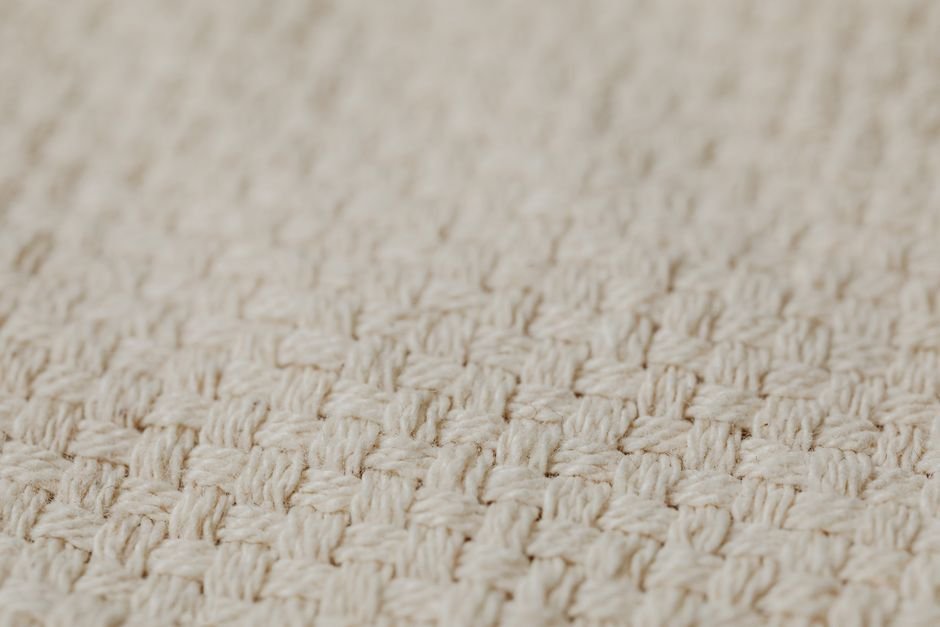
Thread count is the number of horizontal and vertical threads woven into one square inch of fabric. What it doesn’t tell you is thread quality, weave type, or how the fabric will actually feel — which is why a 1,000 thread count sheet can feel worse than a 300 thread count one from a different mill.
Where Higher Thread Count Stops Helping
Cotton fiber has a practical ceiling. Once you pack more than roughly 400 to 500 single threads into a square inch, manufacturers start twisting multiple thin threads together and counting each strand separately to inflate the number on the label. A sheet marketed at 1,200 thread count is very often four-ply yarn counted as four threads each, which means the real weave density is closer to 300. That inflated fabric tends to feel heavier and less breathable than a well-made 300 or 400 count sheet using single-ply, long-staple cotton.
Weave changes the feel more than the number does. Percale is a plain, tight weave that feels crisp and cool, usually starting around 180 thread count. Sateen has more threads floating over the surface before going under, which gives it a smoother, slightly glossy hand at a lower actual density. Neither is better across the board; it depends on whether you want something crisp or something that drapes.
Country of origin and mill reputation can be a useful shortcut when the label doesn’t specify fiber length directly. Sheets and shirting from mills known for long-staple cotton, or that explicitly name Egyptian, Pima, or Supima cotton, are more likely to deliver on feel than a generic “cotton” label paired with an eye-catching thread count. It’s a shortcut, not a guarantee, but it beats shopping on the number alone.
What to Look for Instead
Fiber length matters more than the count printed on the package. Long-staple and extra-long-staple cotton, including Egyptian and Pima varieties, produce fewer loose fiber ends, which is what makes fabric feel smooth and resist pilling over repeated washes. A mid-range thread count in long-staple cotton will usually outlast and out-feel a high thread count made from shorter, cheaper fiber.
The same logic applies to shirts, not just sheets. A dress shirt described only by thread count without naming the cotton type is giving you a number without the information that predicts how it wears. If you’re comparing shirting fabrics the way you’d weigh wool against cotton for everyday wear, ask about fiber length and weave before the count. Care matters too — check the label the same way you’d check what a dry-clean-only tag means, since high-thread-count cotton can still shrink or pill if it’s washed wrong. For more on how the measurement itself is calculated, see this overview of thread count.
Washing habits affect the feel over time as well. Hot water and high-heat drying break down cotton fibers faster than a cool wash and a low-heat or line dry, so two identical sheets can end up feeling noticeably different after a year depending on how they were laundered.
A simple test in store: rub the fabric between your fingers. If it feels smooth and slightly cool rather than stiff or papery, the fiber quality is doing more work than whatever number is printed on the packaging.