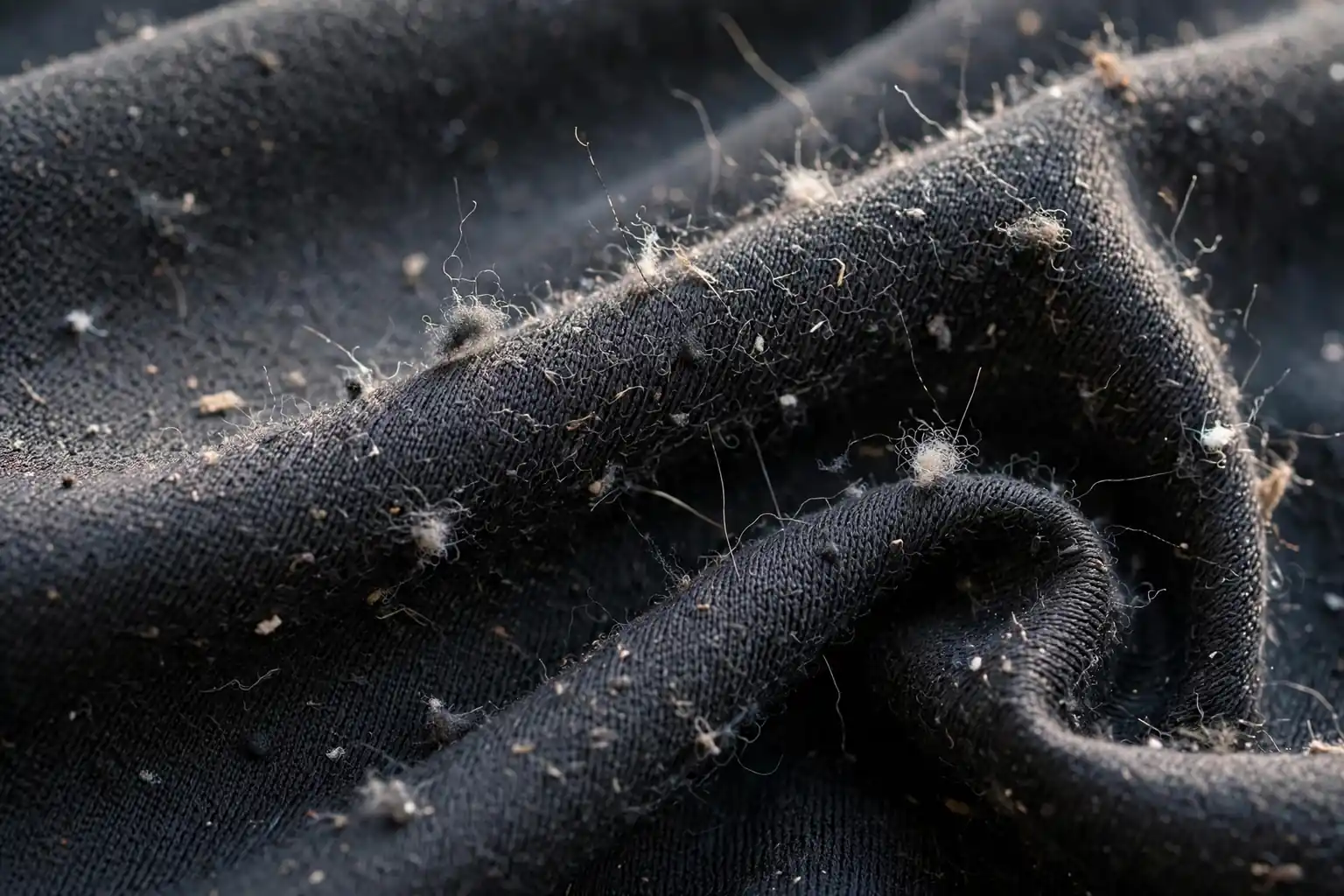
What Makes a Fabric Prone to Static
Why fabric causes static comes down to electron transfer: two fabrics rub together and swap electrons, leaving one surface with a positive charge and the other negative until they discharge, usually as a spark or a cling you can feel. Synthetic fibers like polyester, nylon, and acrylic build up static far more than natural fibers like cotton, wool, or linen, because synthetics hold onto electrons instead of letting them dissipate into the air.
Why Fabric Causes Static: Fiber Type Matters Most
The property that matters here is how well a material conducts electricity, not how it feels. Natural fibers absorb small amounts of moisture from the air, and that moisture gives built-up charge a path to disperse. Synthetic fibers are largely non-absorbent, so a charge that builds up between a polyester lining and a wool sweater has nowhere to go until it jumps to your hand on a doorknob.
Humidity changes the picture more than most people expect. Static is far worse in winter not because cold itself causes it, but because heated indoor air holds less moisture, which strips fabric of the thin humidity layer that would otherwise carry charge away.
Combinations That Make It Worse
Static cling is really about friction between two dissimilar materials, so the worst combinations pair a fiber that gives up electrons easily with one that grabs them:
- A wool sweater over a polyester shirt — wool releases electrons, polyester collects them.
- A fleece jacket over acrylic or nylon layers — both synthetic, both prone to clinging to each other and to skin.
- A synthetic-lined coat worn over bare tights or leggings, especially in dry, heated rooms.
Swapping one layer to cotton or wool, even just the layer touching skin, usually breaks the cycle, because you no longer have two aggressively dissimilar synthetics rubbing against each other all day.
This is the same electron-transfer effect researchers at institutions like the National Institute of Standards and Technology study in materials science more broadly, just at a scale small enough to notice as a shock or a skirt clinging to tights. It isn’t a defect in the fabric, it’s a predictable result of what the fiber is made from.
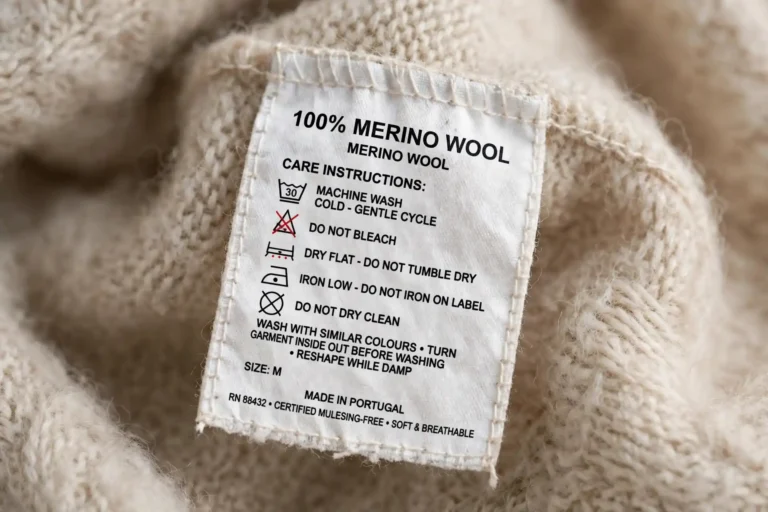
Fiber blends split the difference. A cotton-polyester shirt statics less than pure polyester but more than pure cotton, which lines up with how fiber percentage on a blend’s care tag predicts other behavior too, like breathability and how the fabric wrinkles. Reading the tag before buying tells you more than touching the fabric on the rack ever will.
A few low-effort fixes reduce static without changing your wardrobe at all. Running a humidifier in a bedroom or closet raises the moisture fabric can hold, which is often enough to stop the worst of it. A metal object touched to a doorknob before you grab it will discharge a static shock safely, a trick worth knowing regardless of what you’re wearing. Dryer sheets work on the same principle as fabric softener, coating fibers with a thin layer that reduces friction between them, which helps with a specific staticky item even though it won’t change a fabric that’s prone to it by nature.
If static is a daily annoyance in a specific piece, the fastest fix isn’t a spray — it’s noticing which two fabrics are touching and swapping one of them out.
What Static Actually Is
Fabric static is an electrical phenomenon, not a fabric flaw in the moral sense. When two materials rub together, electrons transfer from one to the other. The material that gains electrons becomes negatively charged, the one that loses them becomes positive. When the charges cannot dissipate, they build until the fabric clings, crackles, and delivers small shocks. This is the triboelectric effect, and every fabric participates in it to some degree. The question is how much charge a given fabric generates and how quickly it can shed it.
The key variable is moisture. Water conducts electricity, so fabrics that absorb moisture from the air dissipate static charges continuously and quietly. Fabrics that stay dry hold charges stubbornly. This single fact explains most of static behavior: it is why static is a winter problem, when indoor heating drops humidity below thirty percent, and why the same outfit behaves perfectly in humid August. Understanding fabric moisture behavior connects static to the broader physics of how textiles interact with their environment.
The Triboelectric Series
Materials rank in a triboelectric series based on their tendency to gain or lose electrons. The further apart two materials are in the series, the more charge their rubbing generates. Wool and nylon sit at opposite ends, which is why a wool sweater over a nylon slip is a classic static disaster. Cotton sits near the middle and generates relatively little charge against most partners. Polyester is strongly negative, acrylic too, which is why synthetics are the worst static offenders. Choosing fabric combinations closer together in the series reduces the problem at its source.
Which Fabrics Are Worst and Why
Synthetics dominate the static hall of shame. Polyester, nylon, and acrylic are hydrophobic, meaning they absorb almost no moisture, so charges accumulate without dissipation. They also sit at the extremes of the triboelectric series, maximizing charge generation when rubbed against natural fibers. A polyester blouse is a static generator by physics, not by poor manufacturing. This does not make synthetics bad fabrics. It makes them fabrics that need static management in dry conditions.
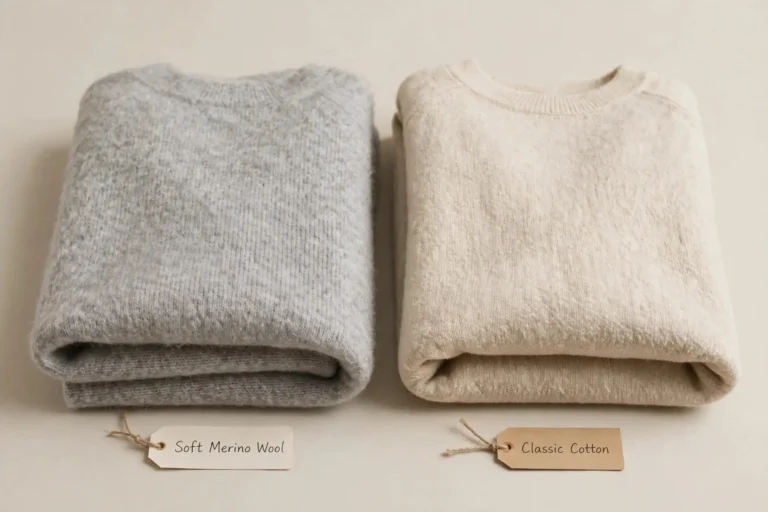
Wool is the interesting middle case. It absorbs moisture well, which should control static, but it sits at the positive extreme of the triboelectric series, so it generates strong charges when rubbed against synthetics. Wool on wool or wool on cotton is usually fine. Wool on polyester is the problem pairing. Silk behaves similarly: luxurious and low static on its own, problematic against synthetics. Cotton and linen are the peacemakers, generating little charge and absorbing enough moisture to stay quiet in most combinations.
Construction Matters Too
Tightly woven fabrics generate less static than loose knits because there is less fiber movement and rubbing within the fabric itself. Brushed or napped surfaces like fleece create more friction area and more charge. Linings matter enormously: a wool skirt with a polyester lining will cling regardless of the outer fabric’s good behavior, because the lining is doing the rubbing. When static plagues an otherwise natural fiber garment, the lining or interlining is often the hidden culprit.
Managing Static in Practice
Humidity is the master control. Raising indoor humidity to forty to fifty percent with a humidifier eliminates most static problems at the source. This is the highest impact intervention for people plagued by winter static. For the wardrobe itself, fabric softener and dryer sheets work by coating fibers with conductive compounds, which is effective but washes out and can reduce the absorbency of towels and athletic wear. White vinegar in the rinse is a lighter alternative.
Anti static sprays provide temporary relief by adding a conductive layer. They work well for an evening but need reapplication. Metal safety pins attached inside hems are a folk remedy with some basis: metal conducts charge away, though the effect is modest. The most reliable wardrobe strategy is fabric pairing awareness: avoid sandwiching strong positive and strong negative fabrics, and when you must wear synthetics in winter, choose lined or blended versions designed to mitigate the effect. For keeping the rest of your wardrobe performing well, knowing when clothing is worth repairing extends the life of every fabric type. More textile science is at Factblaze.
How To Remove Static Cling Without Dryer Sheets
The metal-hanger trick works in seconds. Take a wire or metal hanger and slide it between the clinging fabric and your skin, or run it down the outside of the garment. The metal conducts the static charge away and discharges it. It will not stop new static building up, but it kills the cling you have right now — ideal for a dress sticking to your legs before you leave.
Damp hands are the fastest fix with no tools around. Run your hands under water, shake off the excess, and smooth them over the clinging areas — the thin film of moisture conducts the charge away. Lotion works the same way and lasts longer: rub a light layer on your legs before a static-prone skirt, and the cling never starts. Keep a travel lotion in your bag in winter, when dry air makes static worst.
Anti-static sprays are the heavy-duty option. A quick mist on the inside of a garment kills static for hours. You can buy a commercial spray or make one: a tablespoon of liquid fabric softener in a spray bottle of water, shaken well. Mist lightly and spray the inside of the fabric, not the outside, so you do not mark the visible surface.
For prevention, switch to wool dryer balls. They separate clothes as they tumble, cutting the friction that creates static. And hang-dry the worst offenders — synthetic blouses and polyester linings — since the dryer is where most static is born.
Frequently Asked Questions
Why is static worse in winter?
Cold air holds less moisture, and indoor heating drops relative humidity further, often below twenty percent. Dry air and dry fabrics cannot dissipate electrical charges, so they accumulate. The same clothes in humid summer air shed charges continuously and stay quiet.
Do dryer sheets really work?
Yes, by coating fabrics with positively charged surfactants that neutralize the negative charges synthetics accumulate. They are effective but temporary, washing out in the next laundry cycle. They can also reduce towel absorbency and leave residue on athletic moisture wicking fabrics, so use selectively.
Can static damage electronics?
The shocks from clothing are unpleasant but far below the threshold for damaging modern electronics through casual contact. Proper ESD protection matters in electronics manufacturing and repair, but everyday static from sweaters is not a threat to your phone or laptop.
Why does my hair get static with certain clothes?
Hair is excellent at holding charge, and synthetic fabrics rubbing against hair transfer electrons efficiently. The effect is worst with high necklines and scarves in dry conditions. Natural fiber scarves, humidifiers, and anti static hair products all help.
Is there a permanent anti static treatment for clothes?
Factory applied anti static finishes exist but degrade with washing. No permanent consumer solution survives repeated laundering. The durable approaches are environmental, maintaining humidity, and structural, choosing fabric combinations wisely.
Conclusion
Fabric static is triboelectric physics: dry hydrophobic synthetics at the extremes of the charge series generate the worst effects, especially in low humidity winter air. Manage it through humidity control, intelligent fabric pairing, and targeted use of softeners or sprays rather than fighting the physics. Understand the mechanism and the crackling becomes predictable, preventable, and occasionally avoidable entirely. For the underlying materials science, the American Association of Textile Chemists and Colorists publishes research on fiber electrical properties.