A Checklist for Buying a Coat That Will Last Ten Winters
A coat built to survive ten winters comes down to three things: the shell fabric, the insulation, and the stitching at the stress points. Everything else on the rack — color, cut, the brand name on the tag — is style, not longevity, and style fades faster than a good coat should.
Buying a winter coat with real staying power means checking a short list of things before you look in the mirror, not after.
- Shell fabric with a tight, dense weave rather than a loose or fuzzy one
- Insulation that springs back after you squeeze it, not one that stays flat
- Reinforced stitching at the pockets, cuffs, and underarms
- A zipper with metal teeth or a heavy-duty plastic, not a flimsy nylon coil
- A care label you can actually commit to following
Check the Shell Fabric First
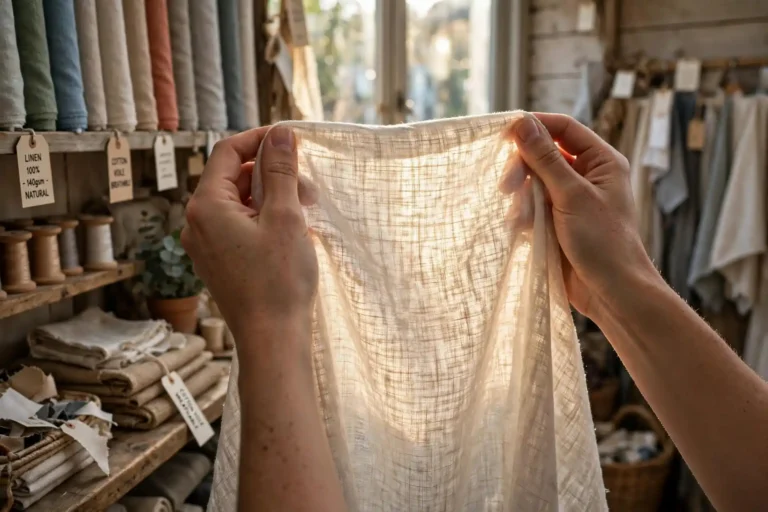
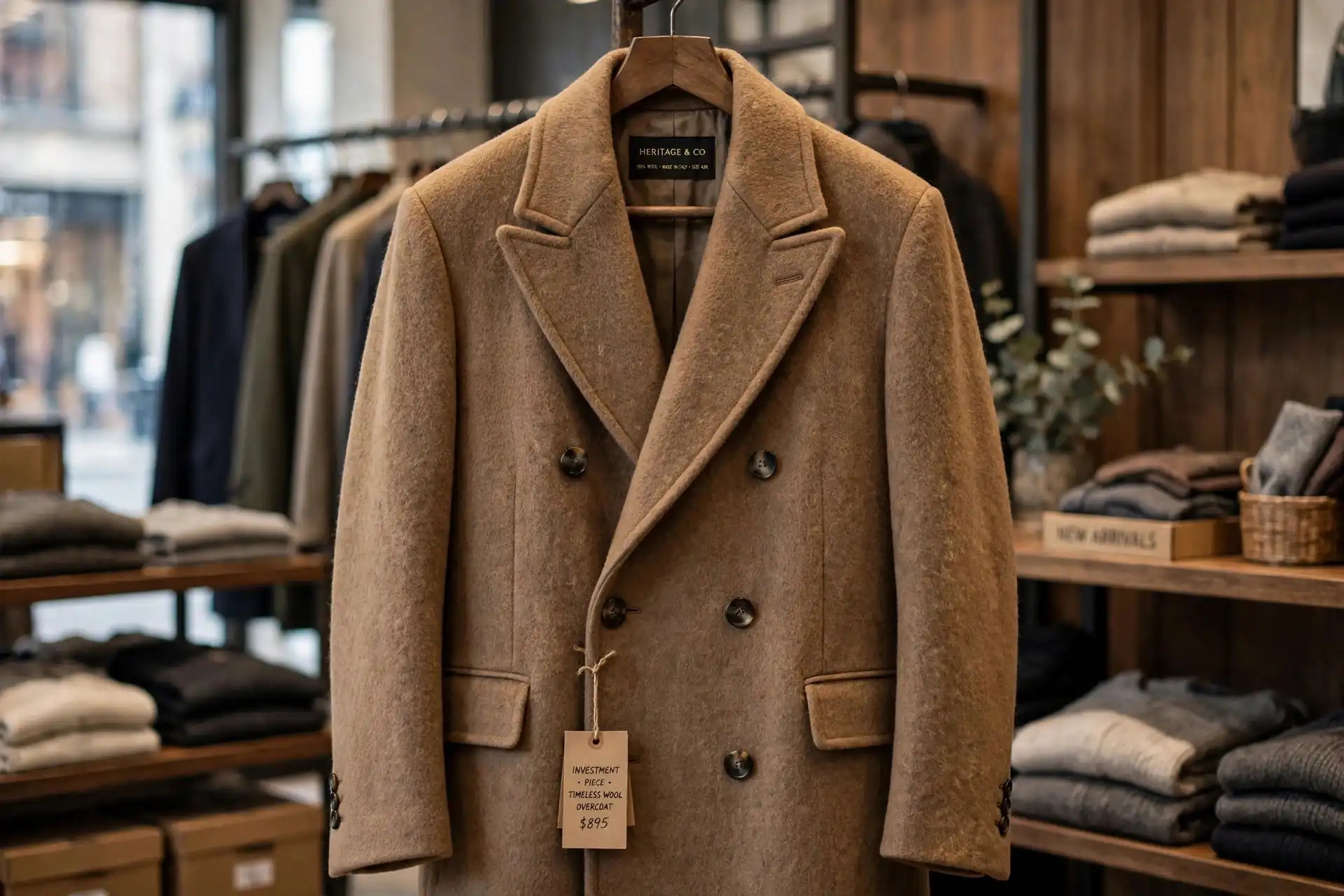
Hold the fabric up to a light. A tightly woven wool or a densely woven synthetic shell blocks wind and resists pilling; a loose or fuzzy weave will look worn within a season or two, no matter how well it’s sewn. If the coat is wool or a wool blend, a higher percentage of virgin wool generally means better recovery from wrinkles and creases — the same fabric-quality checks that matter for any garment. The wrinkle test you’d use on a dress shirt works here too: scrunch a corner of the fabric in your fist for ten seconds and see how quickly it recovers.
Insulation That Holds Up Over Time
Down and synthetic fill both work, but they fail differently. Down loses loft if it gets wet repeatedly and isn’t dried properly, so a down coat needs a shell with real water resistance, not just water-repellent marketing language. Synthetic insulation holds up better when damp but tends to flatten with heavy compression over years of storage. Either way, squeeze a handful of the coat’s fill through the fabric — it should spring back within a second or two. If it stays flattened, the insulation is already low quality or too thin to last.
Where Stitching Fails First
Pockets, cuffs, and underarm seams take the most repeated stress, and that’s where cheap construction shows first. Turn the coat inside out and look for bar-tacked reinforcement — small, dense stitch clusters — at those points. Loose threads or single-line stitching in high-stress areas is a reliable sign the coat wasn’t built for years of daily wear, whatever the price tag says.
What the Care Label Tells You Before You Buy
Read the care label before you buy, not after the first spill. A coat that’s dry clean only every time you spot it will either get expensive to maintain or get neglected, and neither outcome helps it last. If you already know a coat is high-maintenance, understanding what dry clean only really requires — and when it’s safe to spot-clean instead — matters as much as the fabric itself. For wool specifically, the Woolmark fiber standards are a useful reference for what separates a durable wool coat from one padded out with cheaper fiber.
A coat that looks identical to one twice its price on the rack usually reveals the difference within a year, not on day one. Check the seams before you check the mirror.
What Ten Winters Actually Demands
A coat that survives a decade of winters faces a brutal test: thousands of hours of wear, hundreds of compressions, rain and snow, temperature swings, and the slow degradation of every material involved. Most coats fail long before year ten because they were never engineered for it. Thin linings tear, cheap zippers seize, synthetic fill migrates into clumps, and fashion driven cuts look dated by year three. Buying for a decade means evaluating construction the way an engineer would, not the way a fashion shopper does.
The economics are compelling. A five hundred dollar coat worn for ten winters costs fifty dollars per year. A one hundred fifty dollar coat replaced every three years costs the same annually while delivering worse performance throughout. The expensive coat is not a luxury. It is the cheaper option disguised as a splurge. This math only works if you actually keep it for ten years, which requires buying something you will still want to wear in year eight. Restraint in styling is a durability feature. The same long view thinking applies to choosing between down and synthetic insulation, since the fill determines much of the coat’s lifespan.
Shell Fabric: The First Line of Defense
The outer fabric takes the most abuse and determines weather protection. Look for tightly woven fabrics with high abrasion resistance: quality wool blends, waxed canvas, or technical shells with strong denier ratings. Hold the fabric up to light. If you can see through it easily, it will not block wind effectively. Check the seams. Taped or sealed seams indicate serious weatherproofing intent. Flat, tight stitching with no loose threads suggests manufacturing care that correlates with longevity everywhere else in the garment.
Natural versus synthetic shells is a genuine tradeoff. Wool and waxed cotton age beautifully, developing character, and can be re waxed or repaired indefinitely. Technical synthetics offer superior weight to warmth ratios and weatherproofing but degrade faster under UV exposure and are harder to repair invisibly. For a ten year coat, repairability favors natural shells. For extreme performance needs, technical shells win despite shorter aesthetic lifespans.
Construction Details That Predict Longevity
Zippers are the most common failure point on coats. Look for large gauge zippers from reputable manufacturers like YKK, with metal teeth for heavy winter coats. Test the zipper repeatedly in the store. It should glide without catching. Check that the zipper is backed by a storm placket, the overlapping fabric flap that blocks wind and water when the zipper is closed. Storm plackets with snaps or magnetic closures add redundancy that matters in year seven when the zipper starts showing wear.
Examine the lining. Cheap linings shred within a few seasons, and a failed lining makes an otherwise good coat unwearable. Look for sturdy linings: Bemberg cupro, quality quilted nylon, or flannel backed fabrics. The lining should be securely attached at stress points, not just floating. Check pocket construction too. Pockets lined with warm material like fleece or flannel indicate thoughtful design. Pockets that are just shell fabric slits will be cold and will tear sooner.
Insulation That Lasts
For a decade of service, insulation must resist compression degradation. Quality down with high fill power maintains loft far longer than cheap down or low grade synthetic. If choosing synthetic, look for continuous filament insulation rather than short staple, since continuous fibers resist clumping and migration better over years of use. Baffle construction matters: sewn through baffles are lighter but create cold spots, while box wall baffles maintain even insulation but add bulk. For extreme longevity, box wall or shingled construction preserves performance better.
Fit and Style for the Long Haul
Buy slightly roomy. You need space for layering in the coldest months, and a coat that barely closes over a sweater in the store will be unwearable in January. But avoid oversized fashion fits that will look dated. The ten year coat sits in the timeless middle: clean lines, minimal branding, colors that do not shout. Navy, black, charcoal, olive, and camel outlast every trend cycle. Avoid large logos, unusual hardware finishes, and silhouette experiments.
Consider your actual life. A knee length parka is ideal for commuting and city winters but cumbersome for driving. A shorter jacket suits active use but leaves thighs exposed on windy platforms. Be honest about the ninety percent use case and optimize for it. The coat that perfectly serves your real routine gets worn for ten years. The coat bought for an imagined lifestyle gets replaced. For the rest of a winter system built to last, what makes winter boots warm follows the same buy once principles. Durable wardrobe guides are at Factblaze.
Frequently Asked Questions
How much should I spend on a ten year coat?
Expect three hundred to eight hundred dollars for genuine decade quality, depending on materials and construction. Below two hundred, decade durability is rare regardless of claims. Above eight hundred, you are often paying for brand prestige or extreme specialization rather than additional longevity.
Is wool or synthetic better for a long lasting winter coat?
Wool excels at longevity with maintenance: it can be rewoven, patched invisibly, and re conditioned. Quality synthetics offer better weatherproofing and lighter weight but degrade faster and repair less invisibly. For a ten year horizon with normal care, a quality wool blend is the safer bet for most climates.
How do I maintain a coat for ten years?
Follow the care label exactly. Reproof water resistant coatings annually. Repair small damage immediately before it spreads. Store on a wide sturdy hanger in a breathable garment bag during off seasons, never compressed. Air out after wear instead of washing frequently. Professional cleaning once a year for wool coats.
Should I buy a classic style or something fashionable?
Classic, without question, for a ten year purchase. Fashionable details date a coat faster than any physical wear. The goal is invisibility to trends: a coat that looks appropriate in any year. Save fashion experiments for cheaper, shorter lived pieces.
What is the most common reason coats fail early?
Zipper failure, lining disintegration, and insulation migration are the top three, in that order. All three are predictable from construction quality at purchase. Checking these specific details in the store prevents most early failures.
Conclusion
A ten winter coat is bought with engineering eyes and classic taste: robust shell fabric, quality zippers and linings, durable insulation, repairable construction, and styling quiet enough to outlast trends. Pay the real price once, maintain it properly, and the per year cost drops below fast fashion while the performance stays superior throughout. The cheapest coat is the one you buy once. For technical guidance on outerwear materials, the Textile Exchange provides standards and data on fiber quality and sustainability.