Buying Clothes Online: Mistakes to Avoid
Buying clothes online mistakes usually start before checkout, and the biggest one isn’t the size you pick. It’s assuming a brand’s small, medium, or large means what it meant at the last store you bought from. Sizing isn’t standardized across brands, and a size chart in inches will always tell you more than a label letter.
Buying Clothes Online Mistakes Start With Guessing, Not Measuring
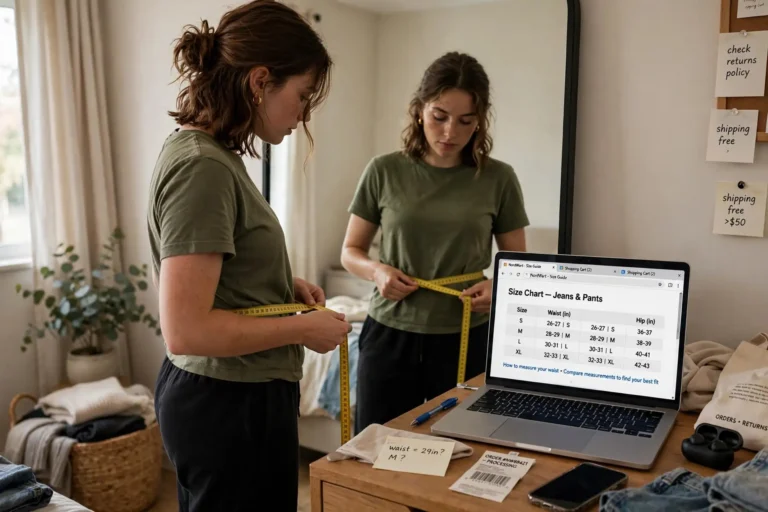
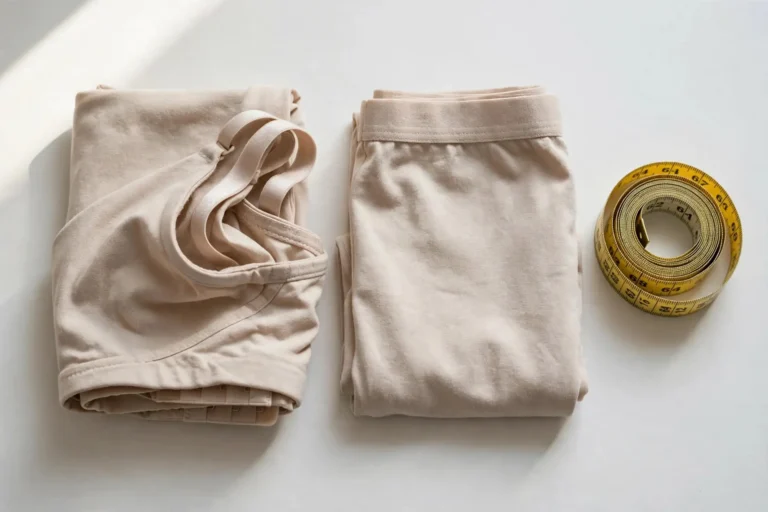
Pull up the size chart for the specific item, not the brand’s general size guide, since numbers can shift between categories in the same store. Then measure your body directly with a soft tape rather than laying an old garment flat and guessing. Garments stretch, shrink, and get measured inconsistently by whoever made them; your body doesn’t change based on what you owned last year.
Focus on the two or three measurements that matter for that garment type, usually bust or chest, waist, and hip for most clothing, plus inseam for pants. Ignore measurements the retailer lists that don’t affect fit, like total garment length on a piece you’re planning to hem anyway.
Read the Fit Notes, Not Just the Star Rating
A four-star average tells you almost nothing about fit. Skim a handful of reviews for phrases like “runs small” or “true to size,” and weight the ones from reviewers who mention their height and usual size, since that context is what makes a review useful instead of just a number.
Photos submitted by other buyers are often worth more than the brand’s own model shots for the same reason: they show the garment on a range of body types instead of one selected sample.
Check the Return Window Before You Check Out
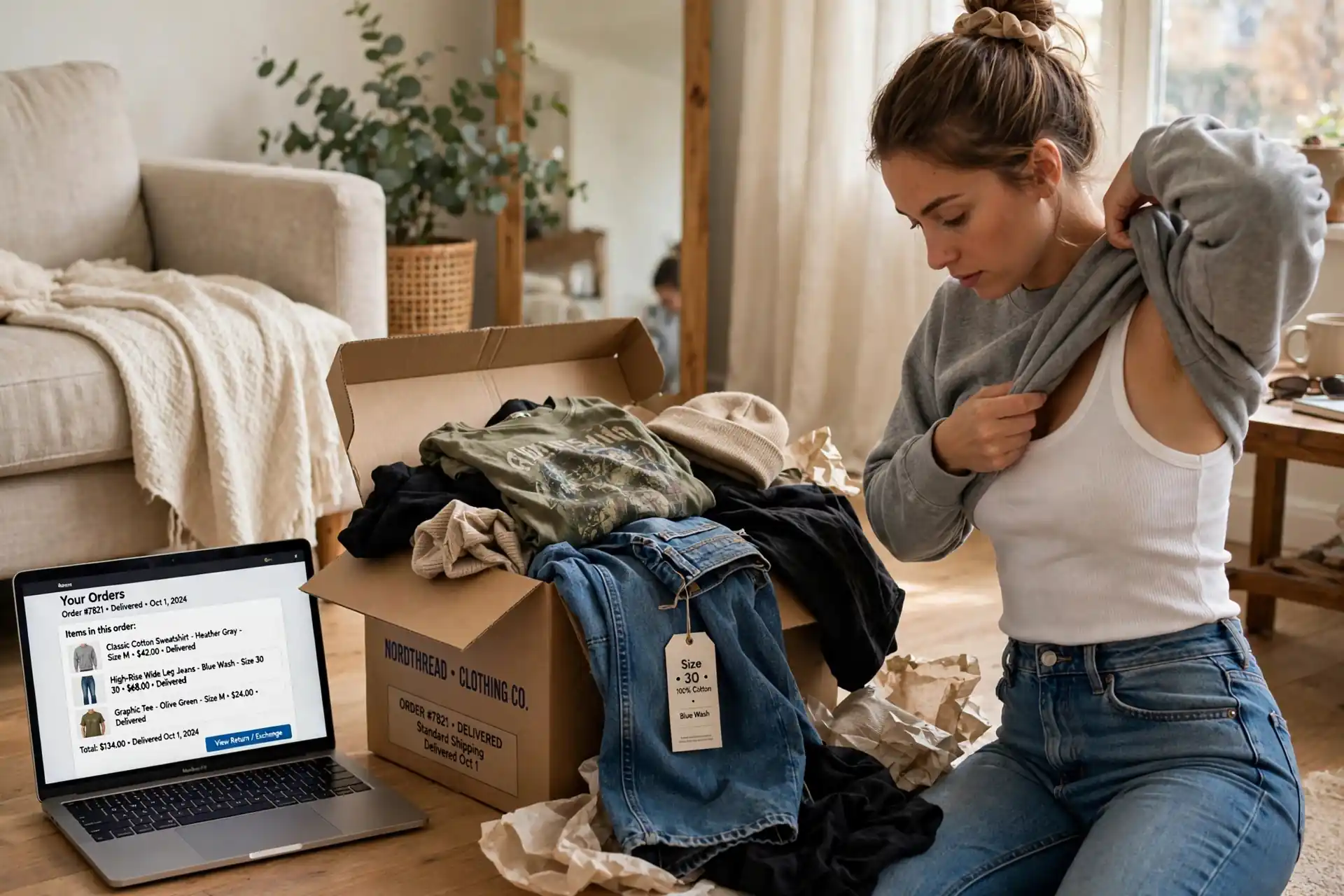
Return policies vary enormously between retailers, and some exclude sale items, swimwear, or anything with tags removed. Before you buy something you’re not sure will fit, confirm the return window, whether return shipping is free, and whether you get cash back or store credit only. The FTC’s shopping guidance covers what protections apply to online purchases and what to do if a retailer won’t honor its own return policy.
Order Two Sizes When You’re Between Them
If your measurements fall between two listed sizes, ordering both and returning the one that doesn’t work is usually cheaper than guessing wrong and paying return shipping twice, or worse, keeping something that doesn’t fit because the return window closed while you were deciding.
None of this replaces trying a garment on. It just narrows the odds enough that when the package arrives, you’re not opening it in dread.
Zoom In on Fabric and Construction Photos
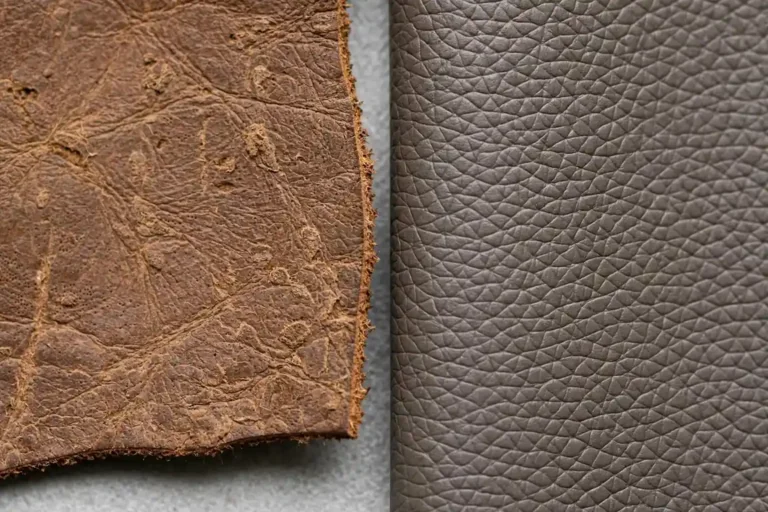
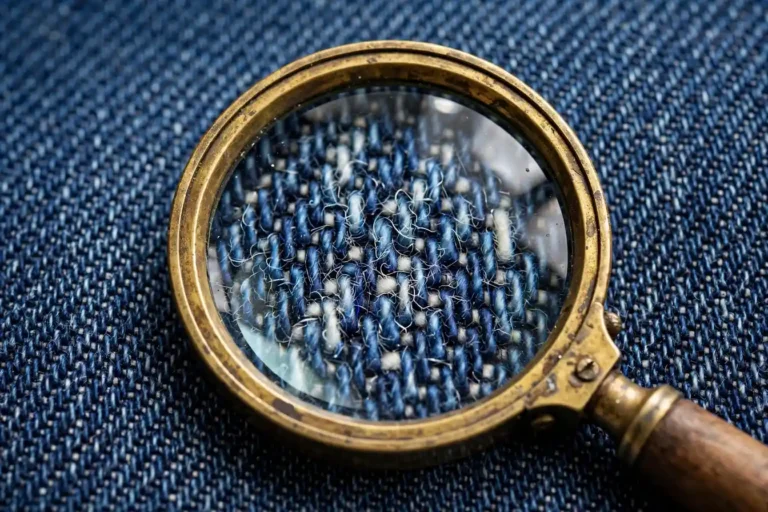
Product listings usually include at least one detail shot of the fabric or a flat lay. Zoom in before you buy: a visibly thin, sheer, or loosely woven fabric in a close-up shot tells you more about durability and drape than the styled hero image ever will. If the only photos are on a model against a plain background, treat that as a gap in information, not necessarily a red flag, and check the product description for fabric weight or composition instead.
Buying clothes online without trying them on feels efficient until the third return in a row. The mistakes people make are remarkably consistent, and almost all of them come from treating a product page like a fitting room. Online shopping can work beautifully, but only if you shop differently than you would in a store.
The measurement mistakes
Fit problems cause most online clothing returns, and most fit problems start with skipped measurements. People either guess their size based on what they wear in one brand, or they measure once and assume the numbers apply everywhere.
Trusting the size label instead of the size chart
A medium in one brand is a large in another and an extra small in a third. Vanity sizing, regional differences, and deliberate brand positioning mean the letter or number on the tag carries almost no reliable information. The size chart on the specific product page is the only sizing information that matters. Even better, look for garment measurements, the actual dimensions of the finished piece, rather than body measurements alone. Our guide on what makes a blazer fit well at the shoulders shows how a single measurement point can make or break how a structured garment looks.
Measuring once and never again
Bodies change. Weight shifts, posture changes, and the tape measure you used two years ago tells you nothing about today. Taking five minutes with a soft tape before a shopping session prevents the most common fit disappointment. Measure chest, waist, hips, inseam, and for tops, shoulder width. Write the numbers down somewhere you can find them, like a phone note, so the friction of measuring disappears next time.
Reading the product page wrong
Product pages contain far more fit information than most shoppers use. The details are there; they are just easy to skim past.
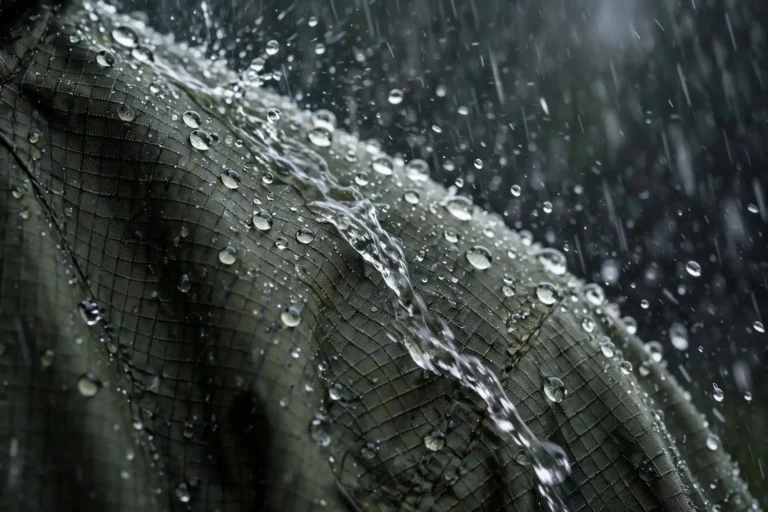
Ignoring fabric composition
A cotton shirt and a cotton-elastane shirt in the same size fit differently, wash differently, and age differently. Fabric content predicts stretch, shrinkage, wrinkling, and drape. If you want to get better at reading these labels before you buy, our article on how to tell if a fabric will actually wrinkle before you buy it explains what different fiber blends do in real life. As a rule, natural fibers with no elastane will fit exactly as cut, which means the cut has to be right. Blends with stretch forgive small sizing errors.
Skipping customer photos and reviews
Model photos show clothes on professional models, often pinned, clipped, or tailored for the shoot. Customer photos show the garment on real bodies. Reviews that mention height, weight, and usual size are gold. Sort reviews by most critical first, because complaints about fit are more informative than praise. If multiple reviewers say it runs small, believe them over the size chart.
Not checking the model’s measurements
Many retailers list the model’s height and the size they are wearing. If the model is six feet tall and wearing a small, that small is cut long. If no model info is given, that absence is itself information about how seriously the retailer takes fit.
The policy and logistics mistakes
Even perfect sizing judgment fails sometimes, which is why the boring parts of the page matter.
Not reading the return policy before ordering
Return windows, restocking fees, final sale exclusions, and who pays return shipping vary wildly. A dress that cannot be returned is a fundamentally different purchase than one with free sixty-day returns. Check whether the policy differs for sale items, because it often does. The U.S. Federal Trade Commission’s online shopping guidance is worth a read for understanding your baseline rights as a remote buyer.
Ordering one size when between sizes
If you are between sizes and returns are free, order both and send one back. This feels wasteful but is cheaper than keeping something that almost fits and never wearing it. Some shoppers do this routinely for structured pieces like blazers and trousers. Just be honest with yourself about actually returning the loser rather than letting it sit in the closet.
Forgetting about alterations in the math
A forty-dollar pair of trousers that needs thirty dollars of hemming is a seventy-dollar pair of trousers. Simple alterations like hemming and taking in a waist are cheap and transform fit, but they should factor into whether the purchase makes sense. Buying slightly large in unstructured garments with alteration in mind is a legitimate strategy.
Color, texture, and expectation mistakes
Screens lie about color and cannot convey texture at all. Managing this gap is part of online shopping skill.
Trusting the screen for color
Monitor calibration, studio lighting, and post-processing all shift color. Read the color name, not just the swatch. Check customer photos in natural light. If exact color matters, for example matching an existing wardrobe piece, accept that you may need to see it in person or order with the expectation of a possible return.
Ignoring care requirements
Dry clean only, hand wash, lay flat to dry: these labels determine whether you will actually wear the thing. Be honest about your laundry habits. A beautiful sweater you will never hand wash is not a bargain at any price.
Frequently Asked Questions
Why do clothes fit differently from different online stores?
There is no universal standard for clothing sizes. Each brand develops its own fit blocks based on its target customer, and vanity sizing shifts numbers further. Always use the specific product page’s size chart and, when available, the finished garment measurements rather than relying on the size you wear elsewhere.
How can I tell if something will fit without trying it on?
Compare the garment’s listed measurements to a similar item you own that fits well. Lay your best-fitting shirt flat, measure it, and compare those numbers to the size chart. Customer reviews mentioning the reviewer’s height and usual size add a real-world check.
Is it better to size up or down when unsure?
It depends on the fabric and cut. With no stretch, sizing up is safer because taking in is easier than letting out. With stretch fabrics, your usual size usually works. For structured shoulders or tailored pieces, getting the larger structural measurement right matters most.
What should I check before buying final sale items online?
Everything matters more with final sale: exact measurements against a well-fitting garment you own, fabric composition, customer photos, and reviews about fit. If any key information is missing from the page, the risk is usually not worth it.
How do I reduce online clothing returns?
Keep current body measurements in your phone, always check the product-specific size chart, read fabric content, look at customer photos, and check the return policy before ordering. Ordering two sizes when between sizes, with free returns, also cuts the keep-and-regret cycle.
Conclusion
Online clothes shopping rewards a different skill set than store shopping. In a store you trust your eyes and the mirror. Online you trust measurements, fabric knowledge, other customers’ experience, and the safety net of a good return policy. The shoppers with the fewest returns are not luckier; they are just more systematic. Take your measurements, read the whole product page, and let customer photos do the job the model photos cannot. For more practical everyday guides like this one, browse the Factblaze homepage.