What to Check Before Hanging Anything Heavy on a Wall
Weight is the number that decides everything: under about 15-20 pounds, a rated drywall anchor is usually fine, but heavier than that, you want a stud. The short version of hanging heavy items on a wall safely is to find out which one you’re dealing with before you drill, because the wrong choice means a shelf, mirror, or TV mount pulling out of the wall months later, often taking a chunk of drywall with it.
Finding a Stud Versus Trusting an Anchor
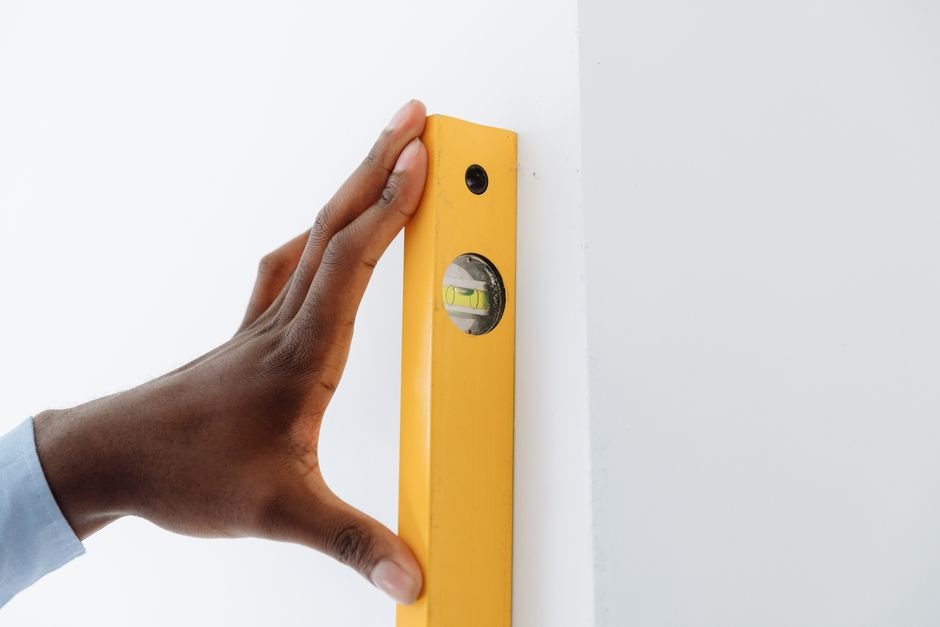
Studs sit 16 or 24 inches apart on center in most homes, framed with dimensional lumber that can hold real weight when you drive a screw straight into it. A stud finder is the reliable tool here; the knock test works in a pinch but misses studs behind thicker drywall or plaster more often than people expect. Once you find one edge, measure the standard spacing to locate the next, then confirm with a small pilot hole before committing to a large screw or lag bolt.
If a stud doesn’t line up where you need one, a proper wall anchor is not a compromise, it’s a different tool for a different job. Toggle bolts and molly bolts are rated by manufacturers for specific weight limits printed right on the package, and those numbers assume standard half-inch drywall in good condition, not drywall that’s already cracked or water-damaged. The American Wood Council publishes the framing standards behind residential stud spacing and load paths, which is useful background if you want to understand why some walls take more weight than others.
- Under 15 lbs: a self-drilling plastic anchor is typically enough.
- 15-50 lbs: a toggle bolt or heavy-duty anchor rated for the load.
- Over 50 lbs, or anything that could fall on a person or pet: a stud, full stop, or a French cleat anchored into two studs.
Safety Gear and Getting It Wrong
Safety glasses matter more than people assume here, especially when drilling into plaster or old drywall that flakes and sends dust and small chips backward. A dust mask helps too if the wall has any age to it, since older joint compound can crack into fine particles. Before drilling anywhere, run a stud finder in scan mode across the whole area to check for wiring or plumbing, not just studs, since both can run through a wall at hanging height, and a nicked wire is a far worse outcome than a missed stud.
The most common mistake isn’t picking the wrong anchor, it’s skipping the weight check entirely and assuming any anchor will do. A mirror or a floating shelf loaded with books puts steady pull-out stress on a wall, and that stress only reveals itself over weeks, as the anchor slowly works loose from the drywall’s paper facing. If an old anchor already failed and left a hole, patch it properly before you try again with the right hardware, rather than driving a new anchor a half-inch away and hoping it holds.
One more thing worth checking: the object being hung, not just the wall. A poorly weighted picture frame or an off-center shelf bracket puts more force on one anchor point than the total weight suggests, so distribute the load across two points whenever the item is wide enough to allow it. For anything that could genuinely hurt someone if it fell, like a heavy mirror over a bed, err toward the stud even if an anchor’s rated weight technically covers it, since a rating on a box assumes ideal conditions your wall may not have.