What a Home Inspection Actually Covers Before You Buy
A standard home inspection covers the house’s major systems, visually and non-invasively: roof, foundation, structure, electrical, plumbing, HVAC, and the condition of walls, windows, and doors. Knowing what a home inspection covers, and just as importantly what it doesn’t, is the difference between a useful report and a false sense of security.
What’s Included
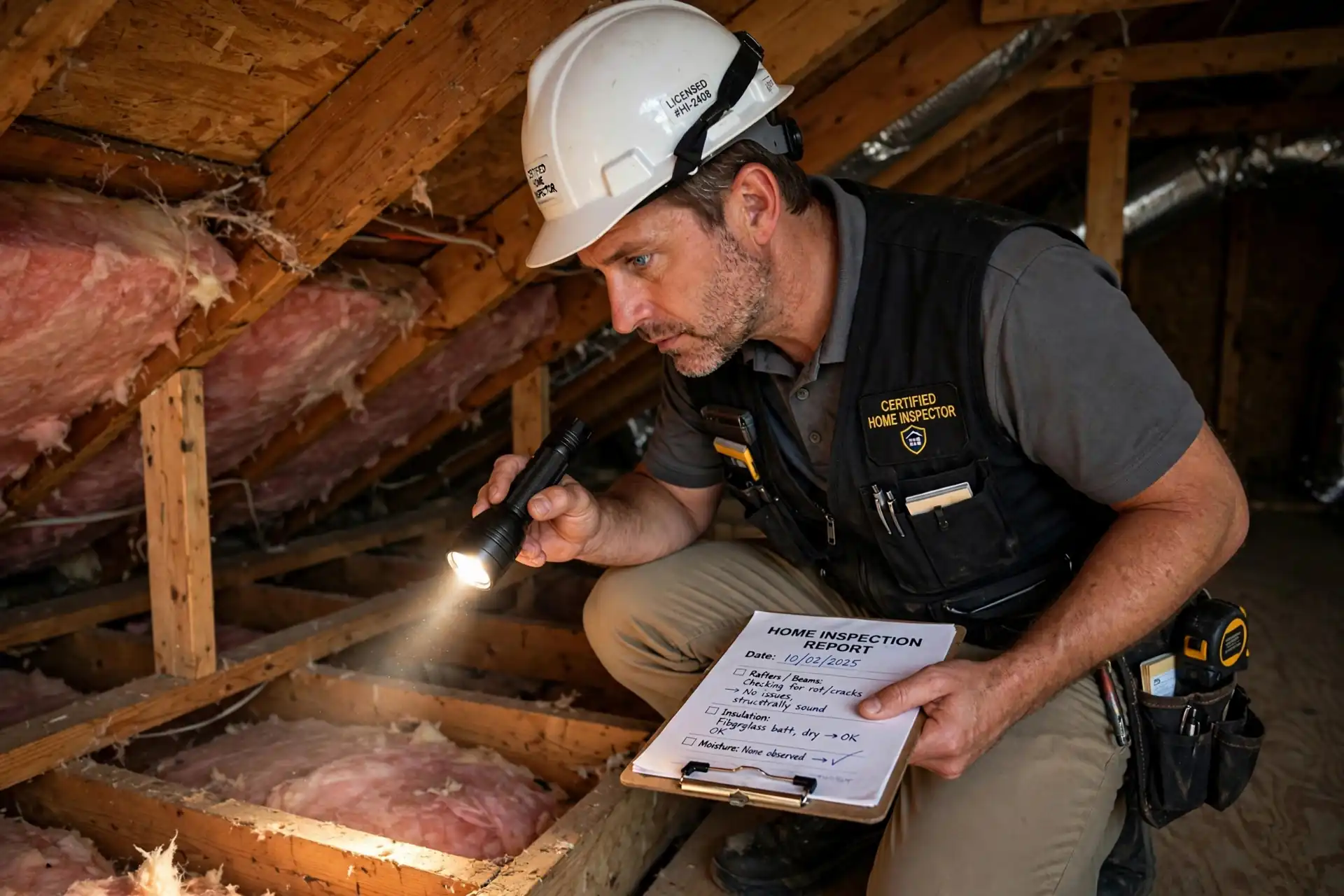
An inspector walks the roof or examines it from a ladder, checking for missing shingles, flashing issues, and signs of past leaks, then moves to the attic for insulation and ventilation. In the basement or crawlspace, they look for foundation cracks, moisture intrusion, and signs of past water damage. Electrical panels get opened and checked for outdated wiring, double-tapped breakers, and general code compliance, though the inspector is confirming visible condition, not rewiring anything or making repairs. Plumbing gets tested by running fixtures and checking under sinks for active leaks, and HVAC systems get run through a cycle to confirm the furnace and air conditioning turn on and respond to the thermostat.
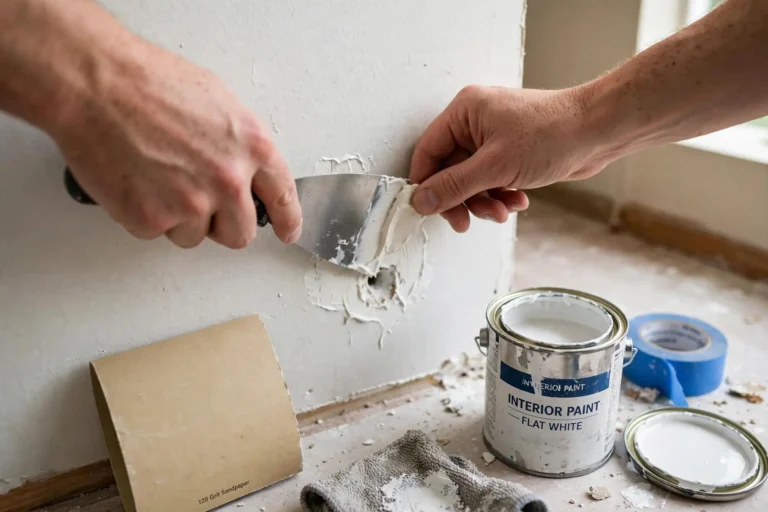
Cosmetic issues make it into the report too, even minor ones. A previously patched drywall hole or a cracked tile isn’t a safety issue, but inspectors typically note it, since a poor patch job can sometimes be hiding something worse behind it, like water damage or an old repair that was never done properly.
What It Doesn’t Cover
- Anything behind a finished wall, under flooring, or otherwise inaccessible without demolition.
- Pest infestations, which usually require a separate termite or pest inspection.
- Mold testing beyond visible surface growth, which needs a specialized air-quality test.
- Sewer line condition, which needs a separate camera inspection down the line itself.
- Code compliance certification — an inspector notes what looks outdated or unsafe, but doesn’t issue a permit or sign off that a system meets current code.
These gaps are why buyers in older homes, homes with a basement, or homes near mature trees often pay for one or two of these add-ons alongside the general inspection, rather than assuming the standard report covers it.
Reading the Report
A long report isn’t automatically a red flag. Inspectors are trained to document everything they see, including minor items a seller would fix in an afternoon, so the length of the report says more about thoroughness than about the house’s actual condition. What matters is separating safety and structural items from cosmetic notes, and asking the inspector directly which findings genuinely change the offer versus which ones are routine wear on a house of that age. The American Society of Home Inspectors publishes the standard of practice inspectors are trained against, which is worth a look if you want to know exactly what your inspector was and wasn’t required to check.
If a finding does concern you, the next step is a specialist, not a second general inspector. An electrician for wiring concerns, a structural engineer for anything load-bearing, a roofer for roof-specific questions. A general home inspection points you toward the right expert; it isn’t meant to replace one.
A home inspection is one of the few moments in a purchase where you get to look behind the paint. The summary above covered the headline items; this section digs into what inspectors actually examine room by room, what they deliberately leave out, how to read the report without panicking, and how to use the findings at the negotiating table.
The Systems an Inspector Examines
A general home inspection is a visual, non-invasive survey of the property’s major systems and components. The inspector does not open walls or dismantle equipment, but a good one spends two to four hours working through a standardized checklist. Here is what that checklist normally includes.
Structure and Exterior
The inspector looks at the foundation for cracking, settling, and water intrusion, checks walls for bowing or major cracks, and examines the grading around the house to see whether water drains away from the foundation. Outside, they note the condition of siding, trim, windows, doors, decks, driveways, and drainage. Small cosmetic cracks are common and usually harmless; horizontal foundation cracks, active water stains, or soil sloping toward the house are the findings that matter.
Roof, Plumbing, Electrical, and HVAC
On the roof, the inspector estimates remaining life from shingle condition, flashing, gutters, and visible sagging, often from the ground or a ladder rather than walking it. Plumbing gets tested by running faucets, flushing toilets, checking water pressure, looking under sinks for leaks, and noting the water heater’s age and condition. Electrical covers the panel, breakers, grounding, GFCI protection in kitchens and baths, and a sampling of outlets and switches. Heating and cooling systems are run through a normal cycle and checked for age, maintenance, and obvious defects. The report will call out anything unsafe, anything at the end of its service life, and anything that simply needs a specialist’s closer look.
What Inspections Typically Do Not Cover
Understanding the limits matters as much as understanding the scope, because buyers sometimes assume the inspection blessed everything. It did not. Keep in mind that inspection standards and licensing vary by state, so exactly what is included can differ where you buy. An inspection is a professional snapshot, not a guarantee that nothing will break later.
Common Exclusions
Standard inspections usually exclude swimming pools and spas, septic systems, wells, chimneys and fireplaces beyond a basic visual check, security systems, and anything hidden inside walls or underground. Environmental hazards like mold, radon, asbestos, and lead paint are generally outside a general inspection too, though inspectors often note visible clues and recommend testing. Cosmetic issues, code compliance research, and predicting future performance are also off the list.
Specialty Inspections Worth Considering
Depending on the property and the region, buyers commonly order add-ons: radon testing, sewer line camera inspection, termite or wood-destroying-organism inspection, mold assessment, chimney inspection, and well or septic evaluation. An older home, a home with a pool, or a property in a radon-prone area each argue for at least one specialty check. Your inspector can usually tell you which ones make sense for the house in front of you.
How to Read the Report Without Panicking
Most inspection reports run dozens of pages with photos, and nearly every report flags something. The skill is sorting findings into three buckets: safety and structural issues that must be addressed, major systems near the end of their life that affect your budget planning, and routine maintenance any homeowner handles. A report with forty minor notes and zero major defects is describing a normal used house, not a money pit.
Context helps here. If you are new to buying, our roundup of real estate facts every buyer should know puts inspections in perspective alongside financing, closing costs, and market realities. And remember that inspectors describe conditions, not price tags; getting a contractor quote for any significant defect turns a scary paragraph into a concrete number you can negotiate around.
Attend the Inspection If You Possibly Can
Being present is the single best way to get value from an inspection. You will see defects in person instead of interpreting photos, you can ask what is urgent versus what is routine, and you will learn where the main water shutoff, electrical panel, and HVAC filters are, which is genuinely useful on move-in day. A good inspector welcomes questions and will show you how systems work. Plan for the full two to four hours, wear clothes you can climb into an attic in, and bring a notebook.
After the Report: Repairs, Credits, or Walking Away
Once the report lands, you and your agent decide what to ask for. Common outcomes include the seller repairing specific defects, a credit at closing so you can hire your own contractors, a price reduction, or accepting the house as-is when the issues are minor. Major structural problems, extensive water damage, or a seller who refuses reasonable repairs are all legitimate reasons to walk away during the inspection contingency period. That contingency is your leverage; never waive it unless you fully understand the risk.
The inspection covers the big systems, but homeownership is also a thousand small practical questions that arrive after closing, from filter schedules to whether the walls can hold your bookshelf. For one of the most common, see our guide to hanging anything heavy on a wall before you start decorating. And if you want to know exactly what standards your inspector follows, the American Society of Home Inspectors publishes its Standards of Practice at homeinspector.org, which is the benchmark most U.S. inspectors work from.
How to Choose a Good Home Inspector
Start with credentials. Look for membership in ASHI, the American Society of Home Inspectors, or InterNACHI, the International Association of Certified Home Inspectors. Both require training, exams, and continuing education. A state license matters where states require one, but licensing floors are low; association standards are the real filter.
Ask for a sample report before you book. A good report is twenty to forty pages with clear photos, labeled defects, and plain language explanations of what each finding means. A bad report is five pages of checkboxes. The sample tells you exactly what you will receive on the biggest purchase of your life, so never hire blind.
Watch for red flags. An inspector who will not let you attend the inspection is hiding something; you should walk the property with them and ask questions. One who finishes a full house in under two hours is skimming; a thorough inspection takes two and a half to four hours. And anyone who offers to do the repairs they find is selling, not inspecting.
Do not hire the cheapest inspector. A three hundred dollar inspector who misses a failing roof or a cracked foundation costs you tens of thousands later. The difference between a budget inspection and a good one is usually one to two hundred dollars, which is nothing next to the price of the house. Pay for the inspector who finds problems; that is the entire job.
Frequently Asked Questions
How long does a home inspection take?
Typically two to four hours depending on the size, age, and condition of the property. Larger or older homes take longer, and condos are usually quicker than single-family houses.
Who pays for the home inspection?
The buyer almost always pays, usually a few hundred dollars depending on the market and the home’s size. It is money well spent: the inspection regularly uncovers issues worth far more than its fee.
Can a house fail a home inspection?
There is no pass or fail. The inspection produces a report describing conditions, and then you decide what those conditions mean for your purchase, from negotiating repairs to walking away.
Should I skip the inspection to win a bidding war?
Waiving the inspection can make an offer stronger, but it means accepting unknown defects with no recourse. Many buyers compromise with an informational-only inspection that cannot kill the deal but still reveals what they are buying.
Do new construction homes need inspections?
Yes. New homes can have plumbing mistakes, grading problems, and unfinished details, and builder warranties have limits. A pre-drywall inspection plus a final inspection is the thorough approach.
Conclusion
A home inspection covers the visible condition of the structure and major systems, deliberately excludes specialty areas that need their own experts, and gives you a factual basis for negotiating or walking away. Attend it, read the report in three buckets of urgency, and get quotes for anything significant. Standards vary by state and no inspection guarantees the future, but an informed buyer is a protected buyer. For more practical homeowner guidance, visit Factblaze.