What a Home Inspection Actually Covers Before You Buy
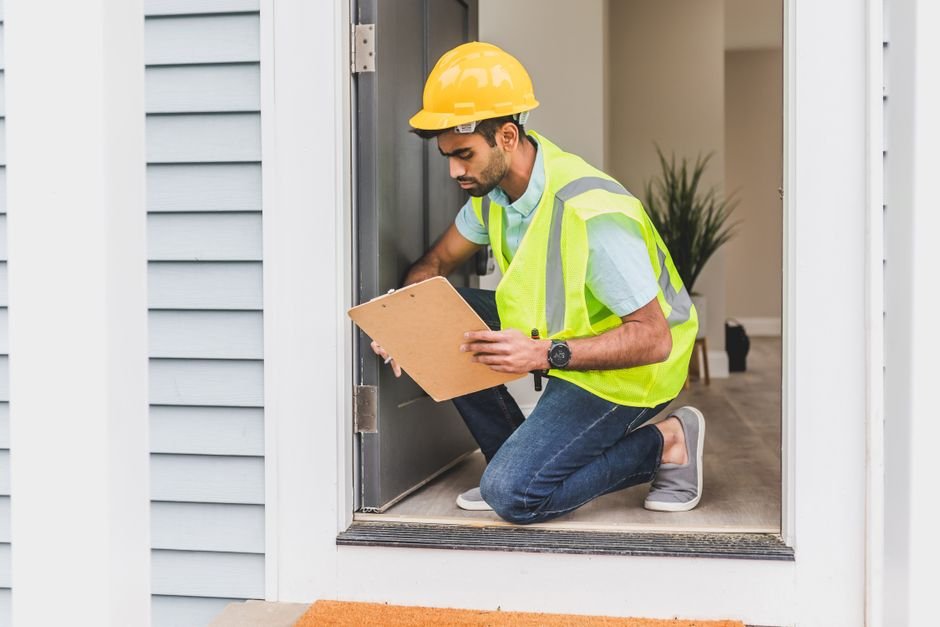
A standard home inspection covers the house’s major systems, visually and non-invasively: roof, foundation, structure, electrical, plumbing, HVAC, and the condition of walls, windows, and doors. Knowing what a home inspection covers, and just as importantly what it doesn’t, is the difference between a useful report and a false sense of security.
What’s Included
An inspector walks the roof or examines it from a ladder, checking for missing shingles, flashing issues, and signs of past leaks, then moves to the attic for insulation and ventilation. In the basement or crawlspace, they look for foundation cracks, moisture intrusion, and signs of past water damage. Electrical panels get opened and checked for outdated wiring, double-tapped breakers, and general code compliance, though the inspector is confirming visible condition, not rewiring anything or making repairs. Plumbing gets tested by running fixtures and checking under sinks for active leaks, and HVAC systems get run through a cycle to confirm the furnace and air conditioning turn on and respond to the thermostat.
Cosmetic issues make it into the report too, even minor ones. A previously patched drywall hole or a cracked tile isn’t a safety issue, but inspectors typically note it, since a poor patch job can sometimes be hiding something worse behind it, like water damage or an old repair that was never done properly.
What It Doesn’t Cover
- Anything behind a finished wall, under flooring, or otherwise inaccessible without demolition.
- Pest infestations, which usually require a separate termite or pest inspection.
- Mold testing beyond visible surface growth, which needs a specialized air-quality test.
- Sewer line condition, which needs a separate camera inspection down the line itself.
- Code compliance certification — an inspector notes what looks outdated or unsafe, but doesn’t issue a permit or sign off that a system meets current code.
These gaps are why buyers in older homes, homes with a basement, or homes near mature trees often pay for one or two of these add-ons alongside the general inspection, rather than assuming the standard report covers it.
Reading the Report
A long report isn’t automatically a red flag. Inspectors are trained to document everything they see, including minor items a seller would fix in an afternoon, so the length of the report says more about thoroughness than about the house’s actual condition. What matters is separating safety and structural items from cosmetic notes, and asking the inspector directly which findings genuinely change the offer versus which ones are routine wear on a house of that age. The American Society of Home Inspectors publishes the standard of practice inspectors are trained against, which is worth a look if you want to know exactly what your inspector was and wasn’t required to check.
If a finding does concern you, the next step is a specialist, not a second general inspector. An electrician for wiring concerns, a structural engineer for anything load-bearing, a roofer for roof-specific questions. A general home inspection points you toward the right expert; it isn’t meant to replace one.