Real Estate Facts: 40+ Stats Every Buyer Should Know
Real estate touches almost everyone in the U.S. eventually, whether you’re buying your first home, renting an apartment, or just curious about why prices in your city keep climbing. But most “real estate facts” articles online are either outdated, missing context, or built for social media clicks rather than actual answers.
This guide pulls together the real estate facts that matter in 2026 — current market numbers, historical context, and the kind of practical details that help you understand what’s actually happening in housing right now.
Real Estate Facts at a Glance
- U.S. residential real estate is valued at roughly $88.9 trillion, making it the largest single asset class in the country
- The national homeownership rate sits at 65%, virtually unchanged over the past year
- The median U.S. home price is around $408,000–$414,000, depending on the data source and month
- The average 30-year fixed mortgage rate is hovering near 6.4–6.5%
- There are roughly 1.49 million NAR Realtor members in the U.S.
- Nearly 40% of owner-occupied homes are owned free and clear, with no mortgage at all
How Big Is the U.S. Real Estate Market?
Real estate isn’t just the biggest purchase most Americans will ever make — it’s also the biggest asset class in the entire economy. Residential properties alone are worth an estimated $88.9 trillion, with commercial real estate adding another $24.7 trillion on top of that. Combined, that’s more wealth than stocks, bonds, or any other single investment category.
The country currently holds about 146.7 million total housing units, with roughly 132.7 million of them occupied and the rest sitting vacant. That vacancy number matters more than people realize — it affects everything from rental prices to how competitive a local market feels.
Homeownership Rate: Where the U.S. Stands in 2026
The homeownership rate is one of the most-watched numbers in real estate, and it’s been remarkably steady lately.
Current Homeownership Numbers
As of 2026, roughly 65% of U.S. households own their home rather than rent, a rate that’s held nearly flat for several quarters. That means about 87–88 million households are homeowners, out of roughly 133–147 million total housing units nationwide.
The typical home in the country was built in 1981, making the median home about 43 years old. Nearly half of all U.S. housing stock — 48.1% — predates 1980, which explains why renovation and repair spending has become such a major part of the housing economy.
The Homeownership Gap by Generation
Not every generation is buying homes at the same rate. Gen Z currently has the lowest homeownership rate of any generation, at around 27%, while older generations who bought decades ago hold a much larger share of home equity. Younger buyers under 35 have actually seen their homeownership rate decline recently, dropping over a percentage point year-over-year as affordability keeps tightening.
Surveys show the sentiment shift clearly: more than 3 in 5 Americans now say buying a home in 2026 feels unrealistic, up sharply from just a couple of years ago. Rising interest rates and home prices are the two most-cited reasons.
Homeownership by State and Race
Homeownership also varies widely by geography and demographics. West Virginia has the highest state homeownership rate in the country, at 75.5%, while also having the lowest median home value at around $170,800 — a reminder that affordability and ownership rates are closely linked.
Racial disparities in homeownership remain significant too. Non-Hispanic white households have a homeownership rate around 73%, compared to roughly 45% for Black households — a gap that has persisted, and even slightly widened, since the 1960s despite decades of fair housing legislation.
Home Prices and Mortgage Rates: The Current Picture
Home prices and mortgage rates are the two numbers that shape almost every buying decision, so it’s worth breaking both down.
Median Home Prices in 2026
Depending on the data source, the national median home price currently falls somewhere between $360,000 and $414,000. The spread exists because different organizations measure different things — some track new listings, others track closed sales, and others track all owner-occupied homes including ones that haven’t sold in years.
Hawaii has the highest median home value of any state, at nearly $876,000, while West Virginia sits at the opposite end. That kind of range shows just how local real estate pricing really is; national averages can hide enormous regional differences.
Mortgage Rates Right Now
The average 30-year fixed mortgage rate is sitting around 6.4% to 6.5% as of mid-2026, down slightly from the year before but still well above the sub-4% rates many buyers got used to in the early 2020s. That rate difference has a real effect on affordability — even a one-point change in mortgage rate can shift a monthly payment by hundreds of dollars on a typical loan.
Existing Home Sales
Existing home sales are running at an annualized pace of roughly 4.17 million as of mid-2026, up about 5% from the prior year. That’s a sign the market is thawing slightly after a slower stretch, though sales volume is still well below the pace seen during the low-rate years of 2020 and 2021.
Real Estate Agents: Facts Buyers and Sellers Should Know
Most people interact with a real estate agent at some point, so understanding who they are and how they get paid is genuinely useful.
How Many Real Estate Agents Are There?
There are approximately 1.49 million NAR Realtor members in the U.S., plus another 500,000-plus licensed agents who aren’t NAR members. The typical agent is 55 to 57 years old, and about 63% of agents are women.
What Real Estate Agents Actually Earn
The median annual wage for real estate agents is around $56,320, while brokers — who typically have more experience and additional licensing — earn a median of $72,280. The top 10% of brokers earn more than $166,000 per year, though most agents work as independent contractors who cover their own marketing, licensing, and business expenses out of pocket.
Renting vs. Owning: Key Facts
Not everyone is buying, and rental statistics tell an important part of the housing story too.
The rental vacancy rate has been rising, climbing from around 6.6% in 2024 to over 7% more recently, largely because of a wave of new multifamily apartment construction. More available rental units generally means renters have slightly more negotiating power and rent growth slows down, which indirectly helps future buyers save for a down payment without watching their rent climb every year.
The median asking rent for vacant units nationally is around $1,534 per month, though this varies enormously by city and region.
Common Real Estate Myths, Debunked
Myth: A 20% down payment is required to buy a home. Many loan programs, including FHA and certain conventional loans, allow down payments well below 20%. The tradeoff is usually private mortgage insurance (PMI) until enough equity builds up.
Myth: The median home price tells you what a “typical” home costs everywhere. National medians can be misleading. Home prices vary as widely across the U.S. as animal habitats vary across the globe — the housing market in Hawaii looks nothing like West Virginia’s, the same way the environment covered in ice bear facts looks nothing like the plains described in facts about lions.
Myth: Renting is always “throwing money away.” Renting has real costs, but so does owning — property taxes, maintenance, insurance, and interest payments add up. Whether buying makes financial sense depends heavily on how long someone plans to stay in one place.
Myth: Real estate agents set home prices. Agents advise on pricing based on market data and comparable sales, but the seller ultimately sets the listing price, and the market — through buyer offers — determines the final sale price.
Tips for Navigating Today’s Real Estate Market
- Get pre-approved for a mortgage before house hunting, since it clarifies your real budget and strengthens offers in competitive markets.
- Compare mortgage rates across at least three lenders; even small rate differences add up significantly over a 30-year loan.
- Factor in the age of a home, since roughly half the country’s housing stock predates 1980 and may need updated wiring, plumbing, or roofing.
- Research local vacancy and inventory trends, not just national averages, since real estate is fundamentally a local market.
Common Mistakes Buyers and Investors Make
- Focusing only on the purchase price and ignoring property taxes, HOA fees, and insurance costs that vary widely by state.
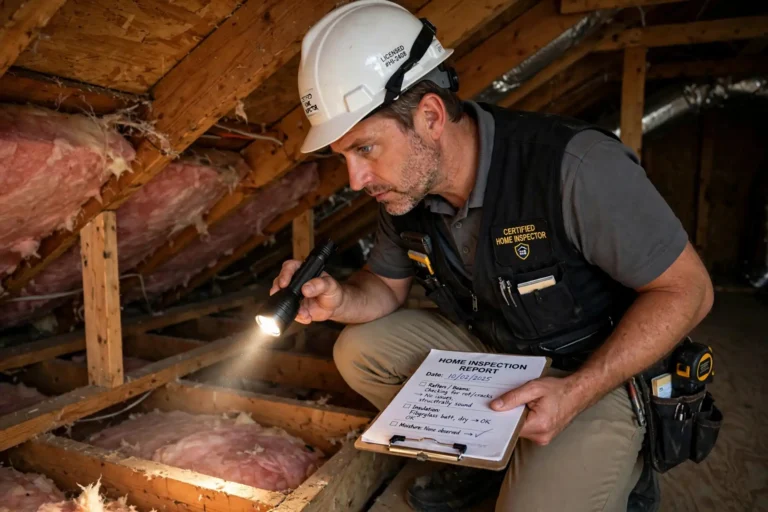
- Skipping a home inspection to make an offer more competitive, which can lead to costly surprises after closing.
- Assuming national trends apply locally, when in reality home prices, rents, and appreciation rates can differ enormously from one metro area to another.
- Underestimating how long a home search takes in a low-inventory market, leading to rushed decisions.
Frequently Asked Questions
What is the current homeownership rate in the United States? As of 2026, the U.S. homeownership rate is approximately 65%, a figure that has remained fairly stable over the past several quarters despite affordability challenges.
What is the median home price in the U.S. right now? Depending on the exact data source and month, the national median home price falls between roughly $360,000 and $414,000 in 2026.
How much do real estate agents typically earn? The median annual wage for real estate agents is about $56,320, while brokers earn a median of $72,280, according to recent Bureau of Labor Statistics data.
Is real estate a good investment in 2026? Real estate has historically built long-term wealth for many Americans, but returns depend heavily on location, timing, financing costs, and how long an owner holds the property. It isn’t guaranteed, and mortgage rates around 6.5% make the math different than it was a few years ago.
Why do home prices vary so much by state? Local job markets, housing supply, population growth, and land availability all shape prices differently. That’s why a state like Hawaii can have a median home value near $876,000 while West Virginia sits below $200,000.
What percentage of homes in the U.S. are owned without a mortgage? Close to 40% of owner-occupied U.S. homes are owned free and clear, with no outstanding mortgage balance.
Final Thoughts
Real estate facts and figures shift every year, but the fundamentals stay fairly consistent: location drives price, financing costs shape affordability, and national averages rarely reflect what’s happening in any one neighborhood. Whether you’re planning to buy, sell, rent, or simply understand the market better, keeping an eye on current homeownership rates, mortgage trends, and local inventory will tell you far more than any single national statistic.