
What Makes a Button-Down Shirt Fit Well at the Collar
Button-down shirt collar fit comes down to one simple test: you should be able to fit one or two fingers between the buttoned collar and your skin, not a full fist. Anything looser gapes and looks sloppy under a jacket; anything tighter leaves a red mark by the end of the day.
Button-Down Shirt Collar Fit: The Two-Finger Rule
Button the collar all the way and slide two fingers in at the front. If they go in with room to spare, or you can’t fit even one, the neck size is wrong regardless of how the rest of the shirt fits. This is the single most reliable at-home check, and it matters more than the shoulders or the body of the shirt for how put-together a shirt looks, because a collar problem shows the moment someone looks at your face.
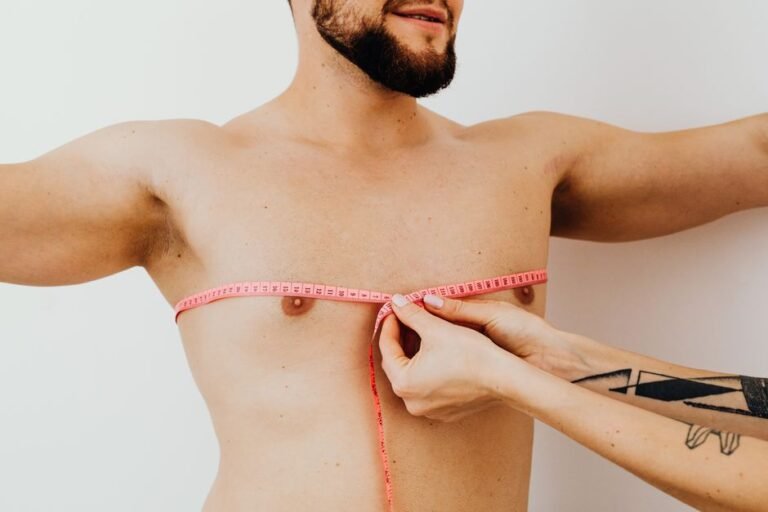
Neck measurement is taken around the base of your neck, roughly where the collar sits, with the tape snug but not pulled tight. Add half an inch to that raw measurement for breathing and swallowing room; most shirt neck sizes already build this in, but it’s worth checking if you’re between two labeled sizes.
Collar Shape and Point Length
Beyond size, the collar’s shape changes how it sits. A spread collar, with points angled wider apart, sits better with a tie and looks more open at the neck; a point collar sits closer together and works well unbuttoned or with a narrower tie. Point length matters for proportion: shorter collar points suit a smaller frame or face, while longer points balance a broader build. A collar with points too short for your frame can look almost childish; one with points too long can look dated.
The collar band, the strip of fabric the collar folds over, should stand up slightly on its own before folding down, not lie completely flat against your neck. A collar band with no structure looks limp by midday, especially after a wash or two softens the interfacing.
Fabric and interfacing quality show up here before anywhere else on the shirt. A collar with too little interfacing (the stiffening layer inside the collar) will curl at the points after a few wears and washes. Fused interfacing is common on lower-cost shirts and tends to bubble or separate over time; better shirts use a sewn-in interfacing that holds its shape through repeated laundering. Running a finger along the collar edge of a shirt before buying tells you more about long-term shape retention than reading the fabric content on the tag.
Washing and drying affect collar shape as much as construction does. High heat in the dryer is the fastest way to break down interfacing over time; air-drying a button-down or using a low heat setting keeps the collar’s structure intact for longer, and ironing while the collar is still slightly damp gives a crisper, flatter result than ironing it bone dry. Dress shirt neck and sleeve measurements follow standardized body-measurement tables published by groups like ASTM International, which is why neck size tends to translate more consistently across brands than chest or waist sizing does.
Collar fit and shoulder fit work together to determine whether a shirt reads as tailored, the same relationship covered in what makes a blazer fit well at the shoulders. If you’re shopping off the rack rather than having shirts made, the same checkpoints used for telling whether a suit is well tailored off the rack apply just as directly to a dress shirt’s collar and shoulders.