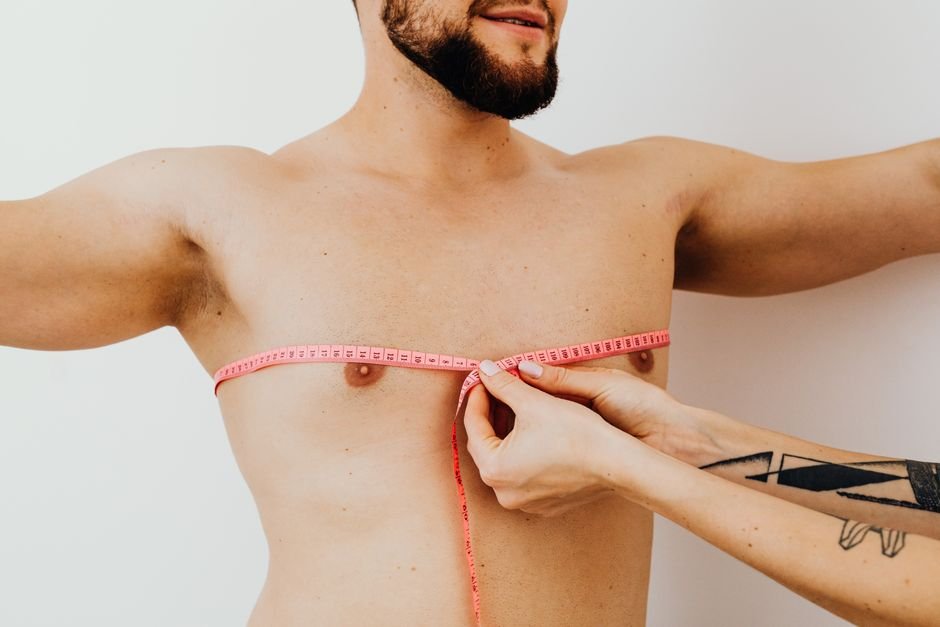
Common Mistakes People Make Sizing Themselves for Online Orders
Most sizing mistakes when shopping online happen before you even open the size chart: people guess their size from memory instead of measuring, or they measure once and reuse that number for every brand. A tape measure and ten honest minutes prevent most returns.
Sizing Yourself for Online Orders: Measure, Don’t Guess
Clothing sizes aren’t standardized across brands, so the medium you wear in one shirt can fit like a small or a large in another. Sizing yourself for online orders means measuring your actual body, not recalling a number from a tag you bought two years ago in a different brand. Take three measurements at minimum: chest or bust at the fullest point, waist at the narrowest point, and hips at the widest point, wrapping the tape snug but not tight. Write the numbers down; don’t estimate them by eye.
A second common mistake is measuring over bulky clothing or in poor posture, which skews every number that follows. Measure in fitted clothing or underwear, standing naturally, and have someone else hold the tape level around your back if you can. A tape that dips or rides up adds inches you don’t actually have.
Ignoring the Brand’s Own Chart
Every retailer publishes its own size chart, and skipping it in favor of “I’m usually a medium” is where most mis-orders start. Cross-reference your measurements against that specific brand’s chart every time, even for a brand you’ve ordered from before, since charts change between seasons and product lines. If your measurements fall between two sizes, check the chart’s fit notes: a brand that lists a fitted cut usually means size up, while one described as oversized or relaxed usually means your normal size works fine.
Fabric content matters too: a rigid cotton or denim item with no stretch needs to be sized closer to your exact measurement, while anything with spandex or elastane has more give and can be sized to the chart’s lower end.
- Measure your body directly instead of trusting a size you remember from another brand.
- Check the specific item’s chart, not a general size guide, every time you order.
- Read the fabric content to judge how much stretch you’re working with.
- Check the return policy and whether return shipping is free before you order two sizes as a hedge.
That last point is worth planning around rather than treating as a backup. If a retailer charges for returns or only offers store credit, ordering two sizes to compare at home gets expensive fast; if returns are free, it’s often the most reliable way to solve a borderline sizing call. The Federal Trade Commission’s consumer guidance covers what a retailer owes you on returns and refunds when a listing’s claims turn out to be misleading.
Reviews with photos are also underused. Shoppers who mention their height, weight, and the size they ordered give you a far more useful comparison point than the chart alone, especially for fit issues like length or how something sits on the shoulders that a chest measurement won’t catch.
Getting sizing right online comes down to trusting a tape measure over memory and a specific chart over a general instinct, the same discipline that helps avoid other common mistakes people make buying clothes without trying them on. For items like bras where band and cup interact differently across brands, the same measure-first approach applies, detailed in how to choose a bra size when online charts disagree.