A Checklist for Choosing the Right Belt Width
Belt width is not a style preference — it is dictated by your belt loops and by what the belt is meant to do. Get it wrong and the belt either will not thread through the loops or looks like an afterthought against tailored pants.
Start With the Loops, Not the Belt
Measure your narrowest belt loop before you shop. Most dress pants use loops built for a belt between 1 and 1.25 inches (2.5 to 3.2 cm) wide. Casual pants and jeans tend to run wider, often 1.5 inches (3.8 cm), to match heavier denim and a more rugged look. A belt that is even a quarter inch too wide will bunch at the loop and sit crooked no matter how well it’s made.
If you only own one belt, lean toward the narrower end. A 1.25-inch belt slides through most dress and casual loops without looking undersized, while a 1.5-inch belt will refuse to fit through some dress trousers entirely.
Match Width to Occasion
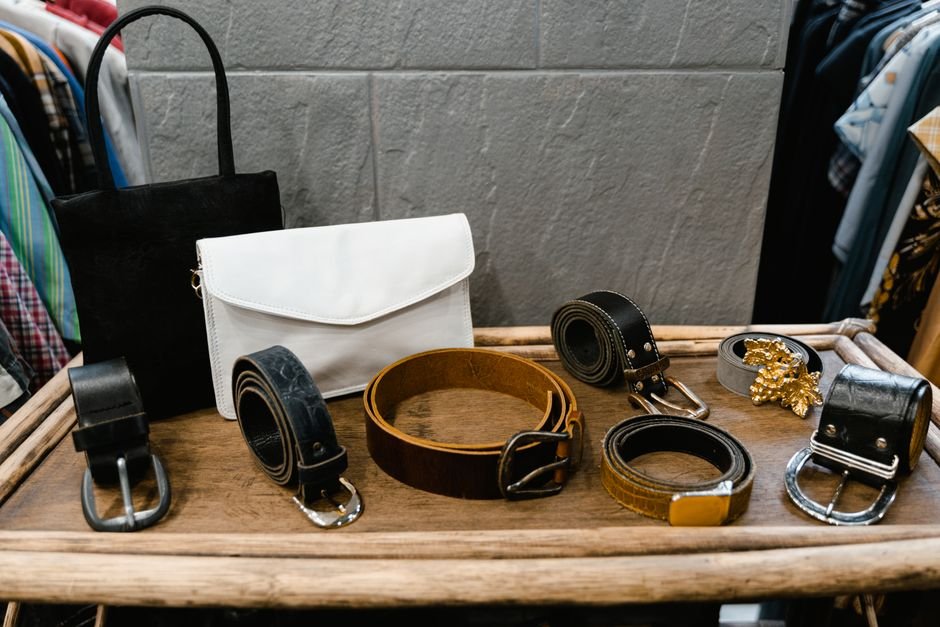
Dress and business settings call for a slim belt, usually 1 to 1.25 inches, in smooth leather with a simple buckle. Anything wider reads as casual even with a suit. For jeans, chinos, and everyday wear, 1.5 inches gives the belt enough presence to balance a thicker waistband and heavier fabric. Western-style and tool belts run wider still, sometimes 1.75 to 2 inches, but that width is functional rather than fashionable — it’s built to carry weight, not complete an outfit.
Buckle size should scale with the belt. A wide belt with an undersized buckle looks unfinished; a narrow belt with an oversized buckle looks like it’s wearing you.
Hole spacing matters too, though it gets less attention than width. Most belts space holes about an inch apart, giving you roughly two sizes of adjustment in either direction from where the buckle naturally rests. If you’re between sizes, ask whether a shop can punch an extra hole before you rule a belt out over half an inch.
A Quick Checklist Before You Buy
- Measure your narrowest loop with a tape or a strip of paper folded to fit.
- Buy your usual pant size in belt length, then add two inches for where the buckle sits.
- Match width to the most formal use you’ll put the belt to — a narrow belt works casually, a wide one does not work for a suit.
- Check that the buckle’s prong lines up with the belt’s holes; some imported belts run slightly off-standard.
If you’re deciding between leather and a synthetic alternative for a belt that will see daily wear, the difference in stretch and how the material sizes over time follows the same logic as picking real leather over faux at a glance. And if the belt is going under a jacket, it’s worth checking what makes a suit fit well off the rack first — a well-fitted jacket makes belt width mostly invisible anyway.
For more on how leather is sourced and finished, the trade group Leather Naturally keeps a public explainer on the material.
When in doubt, go narrower and simpler. A slim belt works its way into more outfits than a wide one ever will.