What Bra Band Size Determines That Cup Size Doesn’t
Band size controls support; cup size only controls volume. Most fit problems — straps digging in, the band riding up in back, underwires poking — trace back to a band that’s wrong, even when the cup looks like a perfect match.
What the Band Does
The band should provide roughly 80 percent of a bra’s support, wrapping snugly around the ribcage on the loosest hook. If the band is too big, the weight shifts onto the shoulder straps, which is why straps that dig in are usually a band problem, not a strap problem. A correctly sized band sits level all the way around — not riding up in back — and you should be able to fit two fingers under it comfortably, not zero and not four.
Because band and cup are linked in most sizing systems, going down a band size while keeping the same cup letter actually makes the cup smaller too, not just the band tighter. That’s why “sister sizes” — a 34C and a 36B, for example — hold roughly the same cup volume despite different labels. Understanding that relationship is the fastest way to fix a bra that feels loose in the band but fine in the cup: size down the band and up the cup letter to keep volume the same.
Why Charts Disagree
Different brands measure the band differently — some add several inches to the underbust measurement before rounding to a size, others don’t — which is why the same body can come out as a 34 at one retailer and a 36 at another. Cup volume calculations vary even more between brands, so a C cup at one label can fit closer to a D at another. This is part of why online sizing charts often disagree with each other even when you enter the same measurements twice. It’s the same pattern behind most mistakes people make buying clothes online — sizing charts are the most common trap.
The most reliable fix is trying on more than one size at a time rather than trusting a single calculator result. Start with the band that sits level and snug on the loosest hook, then adjust the cup letter until there’s no gapping or spilling at the top edge.
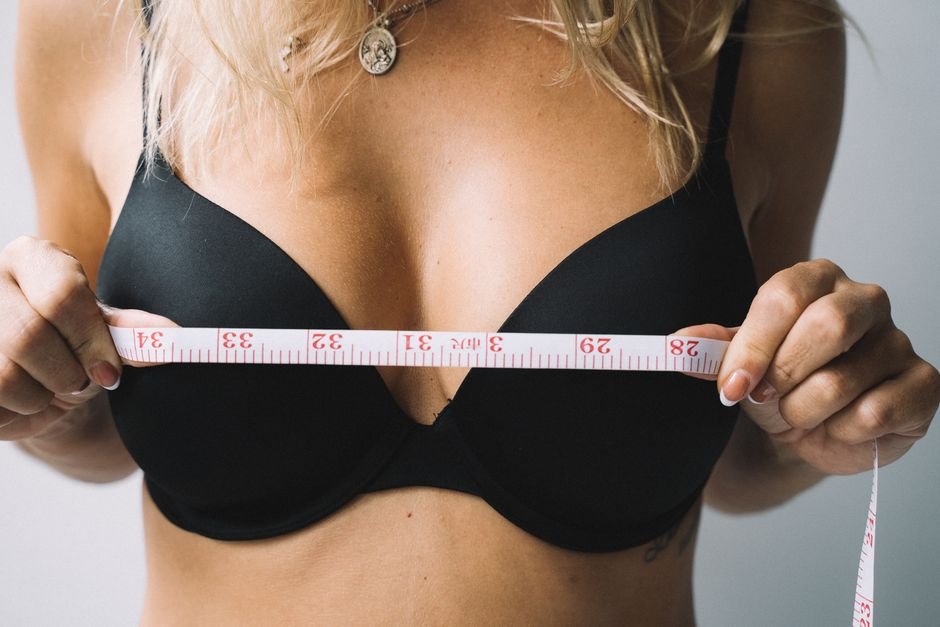
To get a rough band measurement at home, wrap a soft tape directly under the bust, snug but not tight, while wearing a non-padded bra. Round to the nearest whole number, and if it lands between sizes, size down rather than up — a band stretches slightly with wear, while a band that’s already loose only gets looser.
Signs the Band Is Wrong, Not the Cup
- The band rides up in the back over the course of a day.
- You’re already on the tightest hook and it’s still loose.
- Shoulder straps leave marks even when tightened correctly.
- The center point between the cups doesn’t sit flat against your sternum.
Retailers that publish detailed fit guides, like ThirdLove’s sizing reference, are useful for cross-checking a measurement against sister sizes before you buy. If the band still doesn’t feel right after adjusting hooks and sister sizes, the issue is usually the brand’s cut, not your measurements — try a different maker before assuming the number is wrong.