What “Vegan Leather” Is Actually Made From
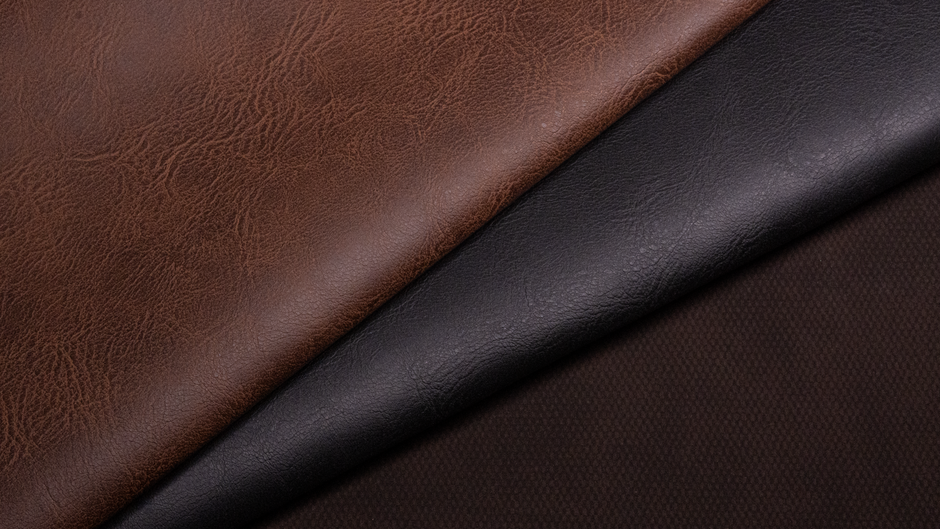
“Vegan leather” is a marketing term, not a material, and asking what is vegan leather made from gets you at least four different substances that age, smell, and hold up in completely different ways. Knowing which one is in your jacket or bag before you buy tells you far more than the label does.
What Is Vegan Leather Made From: PVC and Polyurethane
The majority of vegan leather on the market is a plastic coating, either PVC (polyvinyl chloride) or polyurethane (PU), applied over a woven or knit fabric backing. PU is the more common choice in mid-range and higher-end pieces because it’s thinner, more flexible, and doesn’t off-gas the way PVC can. PVC is cheaper, stiffer, and less breathable, and it’s the version most likely to crack or peel within a couple of years, especially if it’s folded repeatedly in the same spot, like a wallet or a bag’s handle.
Neither material biodegrades, since both are petroleum-based plastics, which matters if the appeal for you is environmental rather than about avoiding animal products. A well-made PU piece will usually outlast a poorly made PVC one, but real leather generally outlasts both, at the cost of being an animal product with its own environmental footprint from tanning and livestock.
A smaller but growing segment uses plant fiber instead of plastic as the base material. Pineapple leaf fiber (marketed as Piñatex), cactus leather, apple peel leather, and mushroom-based mycelium leather all fall into this category. Most of these still use some polyurethane as a binder or coating to make the material durable and water-resistant, so “plant-based” rarely means plastic-free; check the material composition on the product page rather than assuming from the marketing name. These materials tend to cost more than standard PU and are usually found in smaller, design-forward brands rather than mass retailers.
Cork leather is the one plant-based option that’s genuinely close to plastic-free, made from the bark of cork oak trees, which regrows and doesn’t require cutting the tree down. It has a distinct grainy texture that reads differently from smooth leather substitutes and holds up well to daily handling, though it’s less common in clothing than in bags and small accessories. The Textile Exchange tracks and sets standards for these newer plant-based materials as the industry works out consistent labeling for them.
Care differs by material too. PU and PVC pieces should be wiped with a damp cloth and kept away from direct heat, which can cause the coating to crack or the backing fabric to separate from it. Plant-based and cork materials generally need less maintenance but shouldn’t be soaked, since the fiber base can absorb water even when the surface coating resists it.
If you’re comparing a vegan leather piece against the real thing, the same durability questions apply on both sides, covered in more detail in how to tell real leather from faux at a glance. And since most vegan leather is really a coated textile, the base fabric underneath behaves a lot like other blended materials discussed in what makes denim different from other cotton twill. Reading the composition label is the one habit that tells you more than any marketing name will.