Choosing Between an Overnight Train and a Short Flight
If the flight is under two hours and a night train covers the same route in roughly 8 to 12 hours, the train often comes out ahead once you count the whole journey from door to door. A short flight looks faster on the timetable, but getting to the airport, security, boarding, and the ride into the city at the other end can double or triple its real length. That is the heart of the overnight train vs short flight decision.
The comparison shifts depending on what you count, so be honest about each piece.
Overnight train vs short flight: the door-to-door math
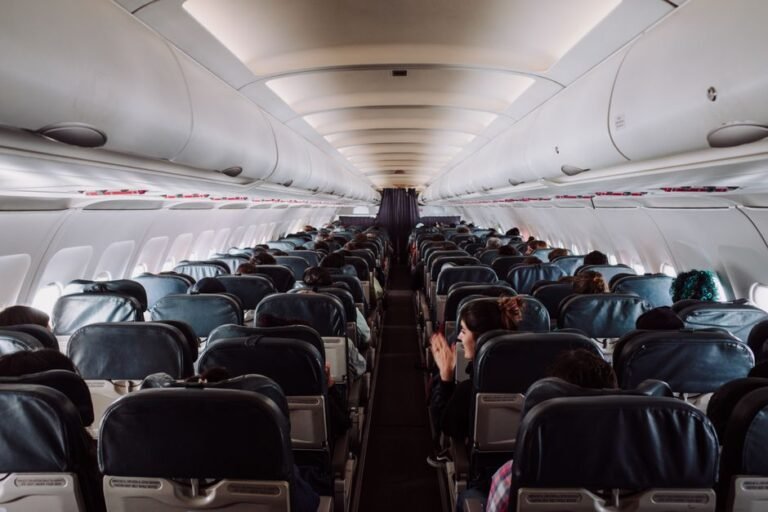
Take a typical one-hour flight between two European cities. You might leave home two and a half hours before departure, spend an hour in the air, and need 45 minutes to an hour to reach the city center after landing. That’s four to five hours of travel for a one-hour flight, and it usually eats the middle of a day.
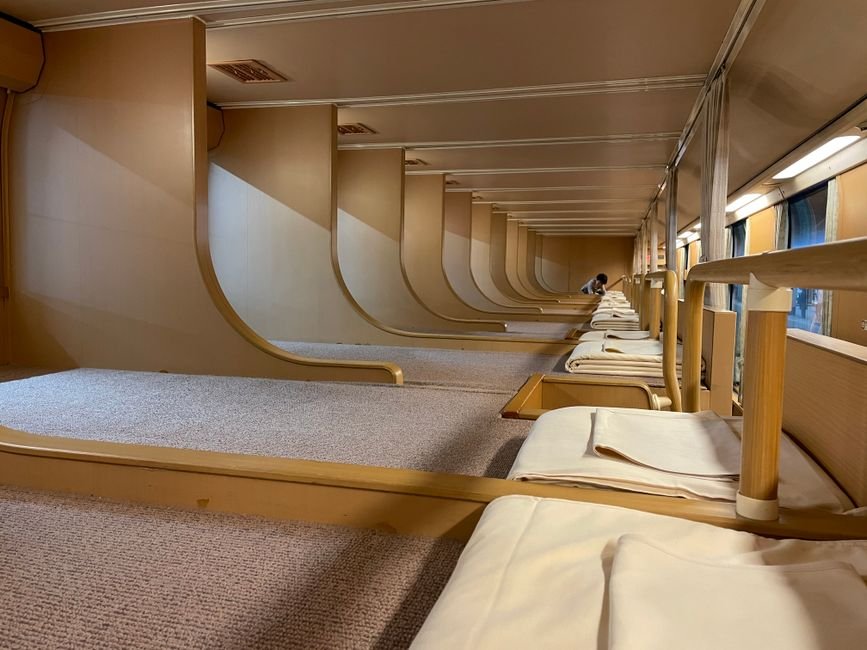
A night train leaves a central station in the evening and arrives at another central station in the morning. You board 15 to 30 minutes before departure, sleep through the journey, and step out close to where you’re staying. Measured in waking hours lost, the train can cost you almost nothing.
It also replaces a night of accommodation. A sleeper berth isn’t cheap, but set against a flight plus a hotel night, the gap narrows. As of September 2026, a bed in a shared couchette on many European night trains commonly runs around €40 to €100, while a private sleeper compartment can reach €150 to €400 or more depending on route and season. Budget flights on the same routes can look cheaper on paper, before bag fees and airport transfers are added. Treat those figures as rough ranges and check the operator directly.
Where the flight still makes sense
A flight wins when the train would take much longer than a night, when you sleep badly on anything that moves, or when schedules don’t line up. Night trains run less often than flights, sometimes only a few times a week on a route, and they sell out early in summer and around holidays. If your trip is tight and a missed departure would cost you a full day, having several daily flights to choose from has real value.
Comfort varies too. A six-berth couchette shared with strangers is a very different night from a private compartment with a washbasin. Earplugs, an eye mask, and a small bag you can keep in the berth make the cheaper options far more bearable. Luggage limits on trains tend to be looser than on budget carriers, which matters if you’d otherwise pay for a checked bag, and those extras are exactly what people miss in common budget airline booking mistakes.
Your rights differ by mode as well. Rail passengers in the EU have their own rules on delays and cancellations, set out on the EU’s official rail passenger rights page, and they don’t mirror the rules for flights.
Timing affects the price whichever way you go. The patterns in common mistakes people make choosing travel dates for price apply to sleeper trains as much as to planes, and popular night routes can be booked out weeks ahead.
Run the numbers for your own route: add up every hour from your front door to your destination’s front door, plus the cost of any hotel night the train would replace. The answer is often closer than the timetable suggests.