Choosing Between a Guided Tour and Independent Travel
The choice between guided tour vs independent travel comes down to what you want to spend: money or effort. A tour trades a higher price for someone else handling transport, timing, and problems; independent travel keeps costs flexible but puts every decision on you.
Neither is the smarter option in general. The better one depends on the destination, how long you have, and how much planning you enjoy.
Guided tour vs independent travel: what a tour buys you
The itinerary is the obvious part, but it’s rarely the most valuable. What you’re paying for is mostly logistics you never see: hotel transfers that are already arranged, entry tickets bought in advance, a driver who knows where to park, and a person whose job is to fix things when a museum closes unexpectedly or a train is cancelled.
A good guide also adds context. Walking past a building is different from hearing why it was built and what happened there. In places where signage is sparse or in a language you don’t read, that commentary can be the difference between seeing something and understanding it.
There’s a protection angle too. Many multi-day tours are sold as package holidays, which can come with legal protections that separately booked flights and hotels don’t. If you’re booking within Europe, the EU’s official package travel rights page explains what a package covers and what the organiser owes you if things go wrong.
The costs are less obvious than the price tag. You move at the group’s pace, eat where the schedule says, and often spend time at shops the operator has a relationship with. Free time tends to be shorter than the brochure suggests, so read the day-by-day plan rather than the highlights.
What independent travel buys you
Flexibility is the headline. You can stay longer somewhere you love, leave early somewhere you don’t, and change plans because of the weather or a tip from a local. You also choose your own budget level for every night and every meal, which usually makes independent travel cheaper for the same destination.
The trade-off is that you are the logistics department. You book every transfer, research every opening time, and solve every problem, often while tired and in an unfamiliar place. That work is part of the fun for some people and a drain for others. Be honest with yourself about which group you’re in.
You also carry the risk alone. If a flight is cancelled and knocks out your next three bookings, nobody rebooks them for you. That’s where understanding how travel insurance works matters more, because a policy may be your only backstop.
A middle path works well for many travelers. Book independently but add a few guided day trips for places that are hard to reach or reward expert context, such as archaeological sites or wildlife areas. You keep control of the trip and pay for help only where it earns its cost.
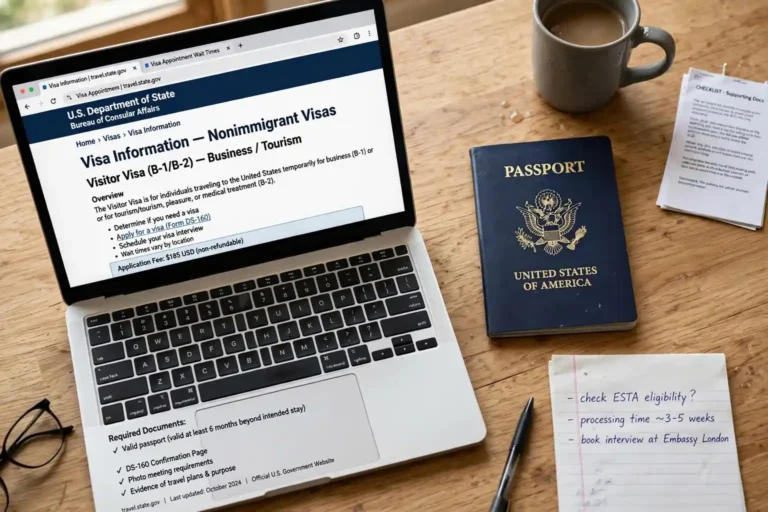
Whichever way you go, the paperwork is still yours. A tour operator won’t check your passport validity or entry documents for you, so run through a checklist for the week before an international trip either way.
If you can’t decide, look at the hardest day of the trip. If that day involves remote transport, tight timing, or a language barrier, a tour probably pays for itself.
What each style actually gives you
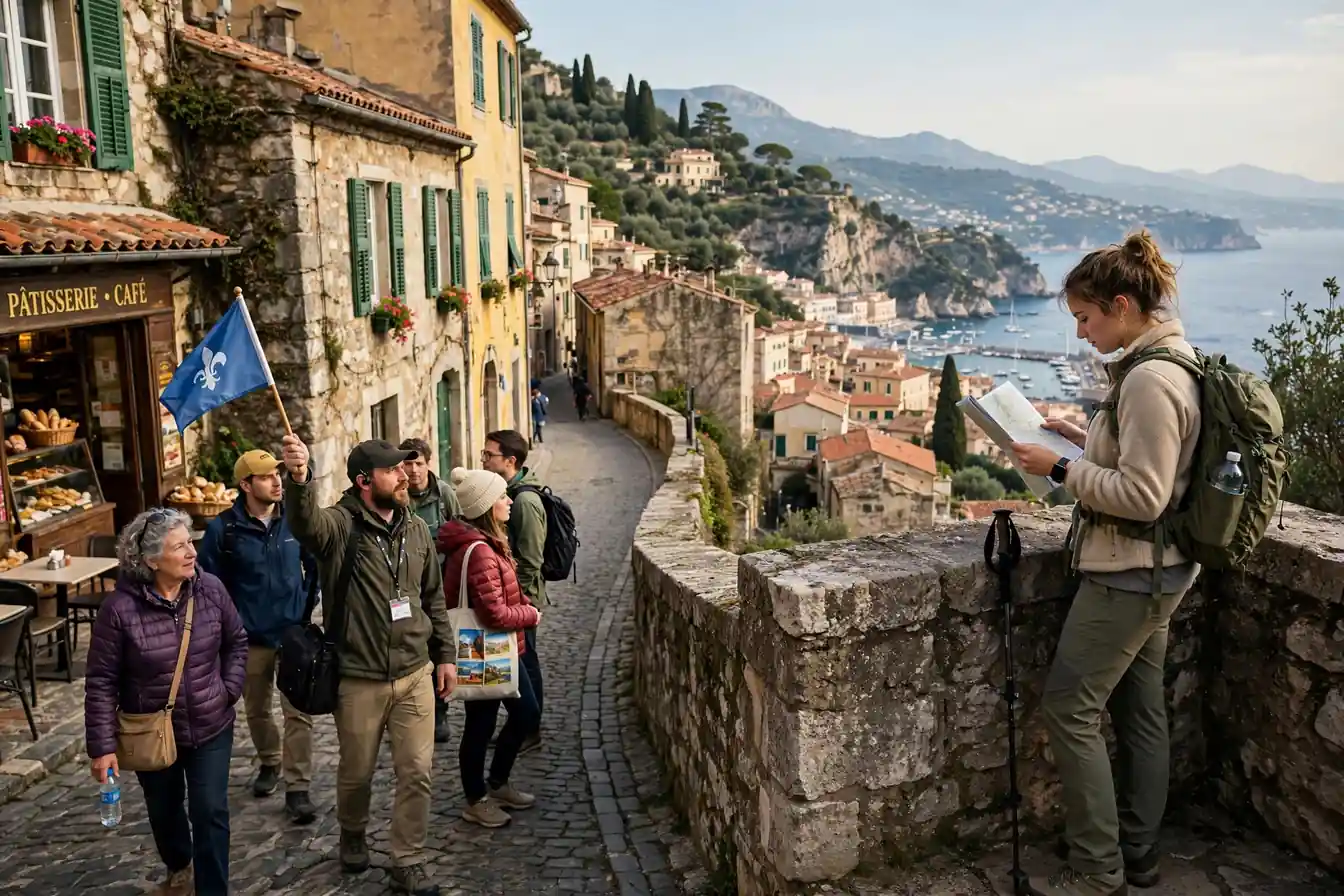
Before comparing, it helps to be precise about what you are choosing between. A guided tour means someone else has made most of the decisions: the route, the hotels, the transport between stops, often the restaurants. You show up, follow the schedule, and a guide handles the logistics and usually adds context you would not get on your own. Independent travel means you make those decisions yourself. You pick where to go each day, how long to stay, where to eat, and how to get around. The trade is simple to state and harder to feel until you have tried both: tours trade freedom for ease, independent travel trades ease for freedom.
There is also a middle ground many travelers overlook. Semi independent trips, where you book a few guided day tours inside a self planned itinerary, give you local expertise at the complicated stops while keeping control of the overall pace. If you are planning the broader trip yourself, our guide to building a complete travel itinerary covers how to structure days so guided excursions fit naturally rather than feeling bolted on.
Cost: the comparison most people get wrong
The common belief is that independent travel is always cheaper. Sometimes it is, sometimes it is not, and the answer depends on where you are going and how you travel. Tour operators buy hotel rooms, bus seats and attraction tickets in bulk, and in expensive or logistically difficult regions those wholesale rates can beat anything you can book yourself. Multi country tours through Scandinavia or Japan, for instance, often come out cheaper than the same route self booked, because the operator’s negotiated rates offset their markup.
Where independent travel usually wins on price
In places with cheap local transport, abundant budget accommodation and easy booking infrastructure, going independent is usually cheaper. Southeast Asia, much of Latin America and Eastern Europe reward self planners: hostels, local buses and street food cost a fraction of what a packaged tour charges for the same experiences. The savings come from flexibility, since you can adjust on the fly toward whatever is cheapest that day.
The hidden costs of each style
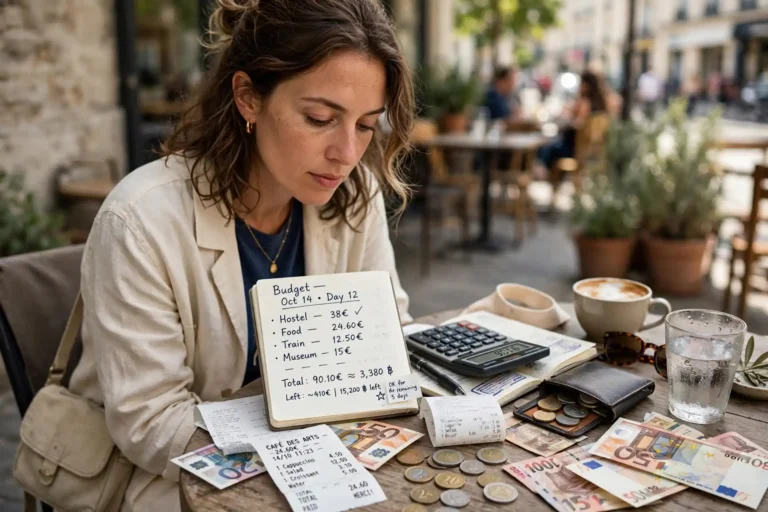
Tours have costs beyond the sticker price. Optional excursions, tips for guides and drivers, and meals not included in the package add up. Some tours also steer you toward commission paying shops, which costs you time even when you buy nothing. Independent travel has its own hidden costs: the occasional overpriced taxi when you are lost, booking mistakes, and the simple fact that your time spent planning has value. Neither style is free of financial surprises, so budget a cushion either way. Our breakdown of common daily travel budget mistakes applies to both styles and is worth reading before you commit to either.
Time and planning effort
This is where the two styles differ most sharply. A guided tour can take you from decision to departure in an afternoon: pick a date, pay, pack. Independent travel demands real planning time, sometimes dozens of hours for a complex multi stop trip. That planning is enjoyable for some travelers and draining for others, and being honest about which camp you fall into matters more than any abstract comparison.
Planning effort also scales with unfamiliarity. A self planned weekend in a city where you speak the language is easy. A self planned three week route through a region where you do not speak any local language, where train booking sites are in another script and visa rules vary by border, is a genuine project. Tours exist largely to absorb that complexity. If the destination feels intimidating to plan alone, that is useful information, not a weakness.
Depth of experience and local contact
Guides can unlock things you cannot unlock yourself. A good guide in Rome, Kyoto or Marrakech does not just recite dates; they read the group, adjust the route, get you into places at the right hour, and answer the questions you did not know to ask. In wildlife destinations and archaeological sites, a guide is often the difference between seeing the thing and missing it entirely.
Independent travel offers a different kind of depth: unplanned encounters. The conversation with a shopkeeper, the wrong turn that leads to the best meal of the trip, the freedom to stay an extra day somewhere that grabs you. Tours rarely allow that spontaneity because the bus leaves at eight. Neither depth is objectively better. Ask yourself whether this particular trip is about seeing the famous things well or about discovering unknown things slowly.
Safety and comfort considerations
For nervous travelers, first time visitors to challenging regions, or anyone traveling with health concerns, tours provide a safety net: someone always knows where you are, transport is arranged, and there is a clear escalation path if something goes wrong. Solo travelers, particularly women in certain regions, often find group tours a comfortable way to visit places they would hesitate to navigate alone.
That said, independent travel is not inherently unsafe, and tour travel is not inherently safe. Standard precautions apply to both. Check official guidance before you go; the U.S. State Department travel advisories are a solid starting point for understanding regional risks whatever style you choose. Travel insurance is worth having either way, and it tends to matter more on independent trips where you are your own contingency plan.
Who each style suits best
Guided tours tend to suit first time visitors to complex destinations, travelers short on planning time, people who enjoy social travel, and anyone who finds logistics stressful. They also suit themed interests, such as photography tours, food tours or history focused itineraries, where the guide’s expertise is the product.
Independent travel tends to suit experienced travelers, people with flexible schedules, budget travelers in cheap regions, and anyone whose idea of a good trip includes changing plans midstream. It also suits travelers with specific interests a standard tour would not cover, from niche hobbies to visiting friends scattered across a country.
Frequently Asked Questions
Is a guided tour better for a first trip abroad?
Often yes, especially if the destination has a language barrier or complex logistics. A tour removes the steepest learning curve, letting you enjoy the place while you build travel confidence for future independent trips.
Can I mix guided tours with independent travel?
Absolutely, and many experienced travelers consider this the best of both worlds. Plan the trip yourself, then book guided day tours for the stops where local expertise matters most, such as historical sites or wildlife excursions.
Are guided tours only for older travelers?
No. While group tours skew older on average, there are tour companies aimed at every age group, including adventure tours, food tours and small group tours for travelers in their twenties and thirties. The format matters more than the stereotype.
How do I avoid a bad tour company?
Read recent reviews carefully, check group size maximums, ask exactly what is included and what costs extra, and be wary of itineraries packed with shopping stops. Learning to spot fake travel reviews will help you evaluate tour operators as well as hotels.
Will I regret choosing a tour over going independent?
Regret usually comes from mismatched expectations, not from the style itself. If you value spontaneity and choose a rigid bus tour, you will chafe. If you hate planning and go fully independent in a difficult region, you will stress. Match the style to your temperament and the destination.
Conclusion
There is no universally better way to travel, only the way that fits your destination, budget, temperament and the kind of memories you want to make. Be honest about how much planning you enjoy, how much uncertainty you tolerate, and what this particular trip is for. Many travelers end up using both styles across different trips, and that flexibility is itself a travel skill. For more practical trip planning advice, start at the Factblaze homepage and browse our travel guides before your next departure.