Common Mistakes People Make Estimating a Daily Travel Budget
Most daily travel budgets fall short because they count accommodation, meals, and big attractions, then stop. The money that disappears goes on small, recurring costs nobody writes down in advance. These are the daily travel budget mistakes that show up most often, and how to fix each one before you leave.
Budgeting meals but not everything in between
People plan for three meals and forget the coffee, bottled water, snacks, and the drink you order because you need a table and a bathroom. On a long sightseeing day, those add up to a noticeable share of food spending. Add a flat daily amount for small purchases rather than trying to predict each one.
Forgetting local transport
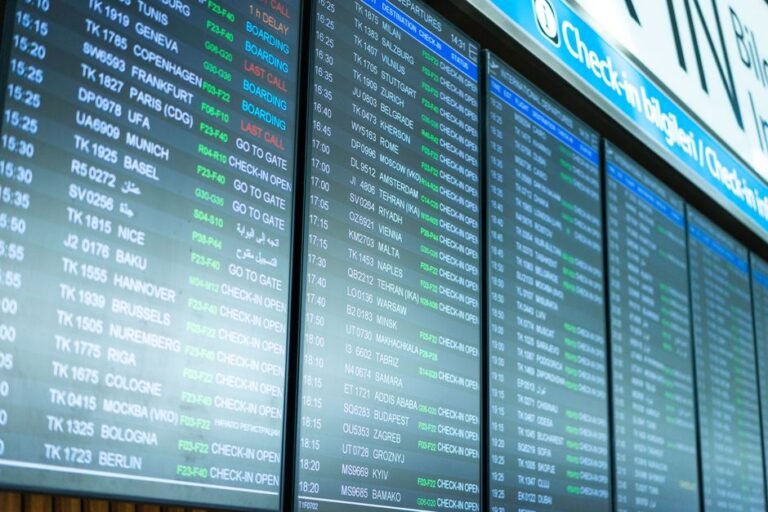
Flights and trains get budgeted; the metro, buses, and taxis in between often don’t. Airport transfers are the big one, since a late-night arrival can leave a taxi as your only option. Check what it costs to get from the airport to your accommodation before you book, and see whether a multi-day transit pass beats single tickets for your plans.
Leaving out taxes and mandatory fees
Per-night tourist taxes, resort fees, cleaning fees on rentals, and service charges on restaurant bills can all sit outside the headline price. Some are collected on arrival, sometimes in cash. U.S. rules now require hotels and short-term rentals to show mandatory fees in the total price, but that protection doesn’t follow you abroad. The FTC’s consumer advice site covers hidden fees and booking scams if you’re booking in the U.S.
Losing money to exchange rates and card fees
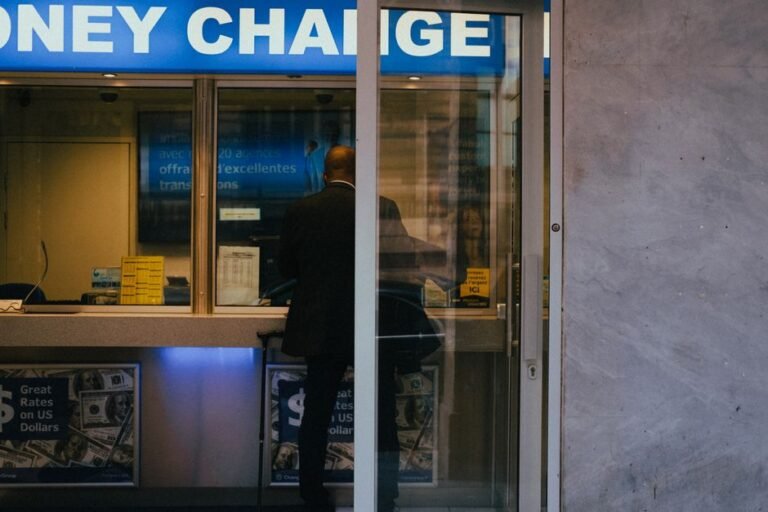
A budget written in your home currency can drift by the time you land, and foreign transaction fees, ATM charges, and poor conversion rates chip away at every purchase. When a card machine offers to charge you in your home currency, paying in the local currency usually costs less. The details are in common mistakes people make exchanging currency abroad.
Assuming every day costs the same
An average daily figure hides the uneven days. Travel days cost more because of transfers and meals on the move. A day with a major museum, a guided tour, or a day trip can cost two or three times a quiet day exploring a neighborhood on foot. Peak weeks push prices up across the board, too. Estimate your expensive days separately, then fill in the rest with a lower figure.
Leaving no buffer
A pharmacy stop, a replacement charger, a missed connection that needs a new ticket: something unplanned happens on most trips. Adding 10 to 15 percent on top of your total is a common rule of thumb. Larger losses, like a cancelled trip or a medical bill, are what insurance is for, and reading how travel insurance works, in plain terms helps you decide how big a cash cushion you need alongside it.
Testing your plan against daily travel budget mistakes
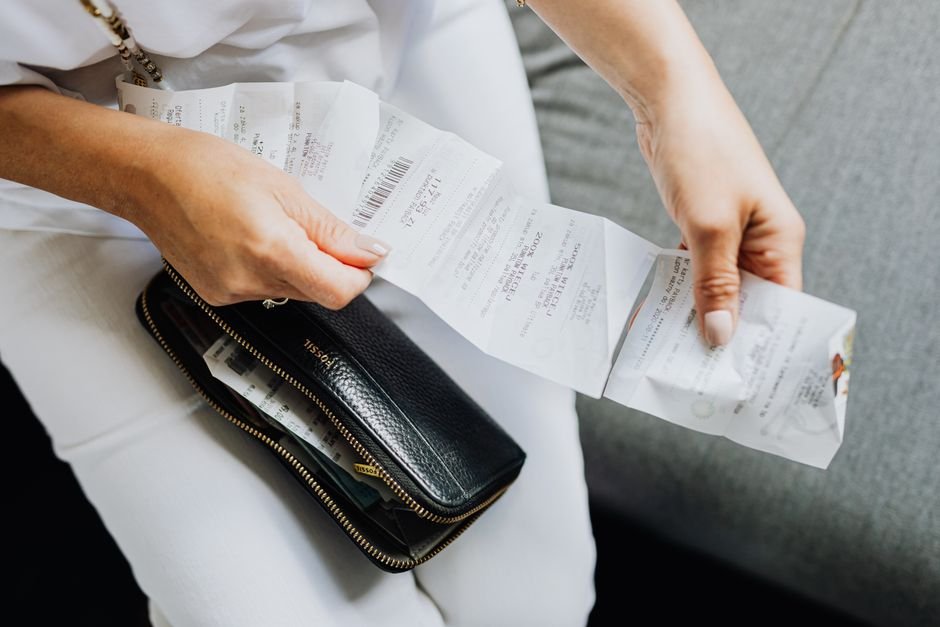
Take your finished budget and walk through one full day at your destination, from breakfast to getting back to your room, pricing each step as you go: the coffee, the bus fare, the entry ticket, the bottle of water, the dinner with a service charge. If that number comes out higher than your daily figure, trust the walk-through, not the spreadsheet.