Choosing Between a Slip Lead and a Regular Collar for Walks
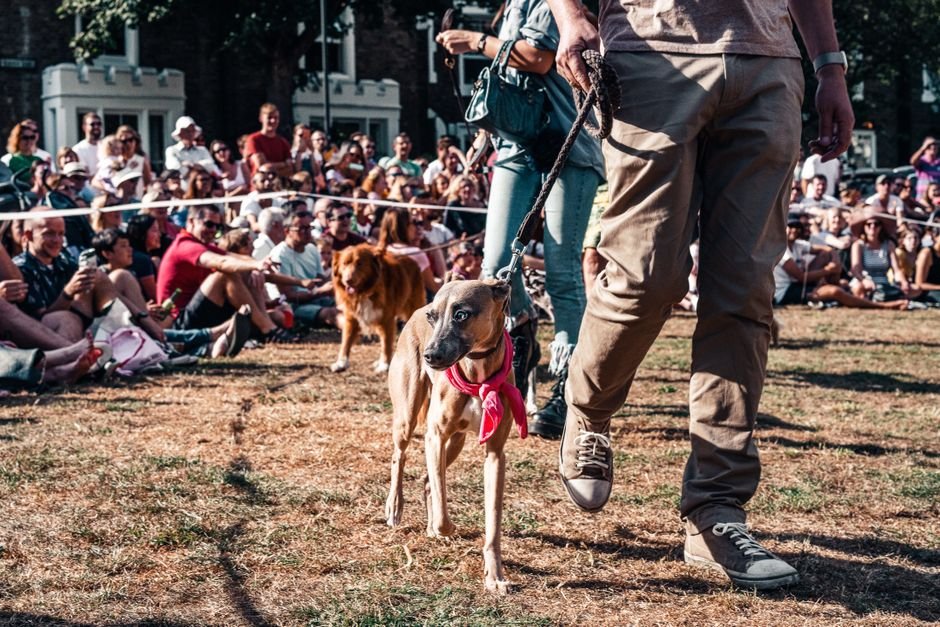
A slip lead is a single loop of leash and collar in one piece that tightens when a dog pulls and loosens the moment they stop, which makes it useful for short, controlled situations rather than everyday walking. A flat buckle collar holds a fixed size and doesn’t tighten at all, so it suits a dog who already walks on a loose leash without needing much correction. Which one belongs on your dog depends less on preference and more on how much pulling you’re managing.
What a Slip Lead Is Built For
Vets, groomers, and shelters reach for slip leads because they go on fast and stay secure on a dog whose size or temperament is unfamiliar. The loop tightens around the neck under tension, which gives a handler quick control without buckles or clips to fumble. That same tightening action is why a slip lead is a poor choice to leave on unsupervised: if the loop snags on furniture or a fence, it won’t release on its own. Some trainers also use a slip lead as a short-term tool for teaching loose-leash walking, but it works alongside consistent handling, not instead of it.
Where a Regular Collar Fits Better
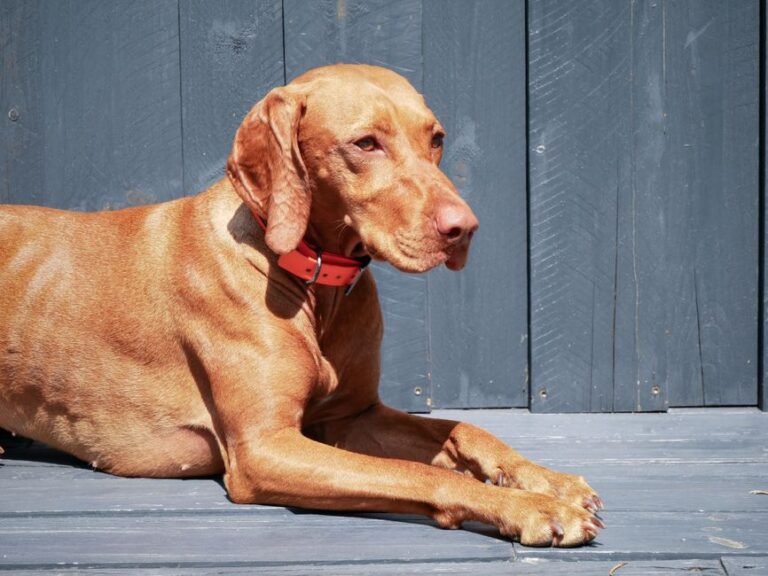
A flat collar is the right choice for daily wear. It holds ID tags, doesn’t change size depending on how hard your dog pulls, and is easy for anyone in the household to clip a leash onto without training. The trade-off is that a flat collar puts no correction into play at all — if your dog pulls hard, the collar just moves with them, which can strain the neck over time on a dog that hasn’t learned to walk politely yet.
Fit and Safety Basics
- A flat collar should allow two fingers between the collar and the neck, snug but not tight.
- A slip lead sits high behind the ears, not resting on the throat, so it tightens quickly and releases quickly.
- Never leave a slip lead on a dog who isn’t actively being walked or handled.
- Check leash hardware and stitching for wear every few months, regardless of which style you use.
- Measure your dog’s neck before buying either one — sizing charts vary enough between brands that “medium” from one maker can be “large” from another.
Material matters too. A slip lead made from slick nylon rope tightens and releases more smoothly than one made from stiffer material, which matters if you’re using it for quick, repeated corrections rather than a single hold. A flat collar in leather or thick webbing tends to hold its shape longer than a thin fabric one, especially on a dog that swims or gets muddy often.
A well-fitted harness is worth considering too, especially for a dog that pulls hard or has a narrow neck prone to slipping collars — see our guide on choosing a dog harness that fits right. Whichever tool you pick, how you respond to pulling in the moment matters more than the equipment itself; our piece on positive reinforcement training day to day covers what consistent handling actually looks like. For more on loose-leash walking technique specifically, the American Kennel Club’s training resources are a solid starting point.
If your dog frequently backs out of a flat collar, that’s a fit problem worth solving directly — a properly sized collar or a well-fitted harness — rather than a reason to keep a slip lead on as a permanent fix.