What Separation Anxiety in Dogs Looks Like
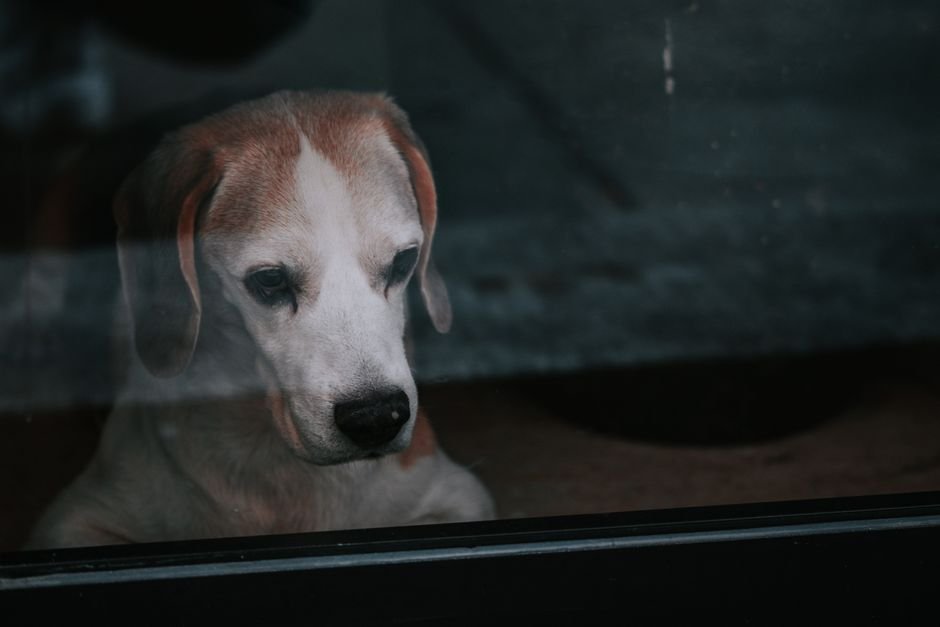
Separation anxiety in dogs looks like panic, not misbehavior: pacing, drooling, howling, destructive chewing concentrated near doors and windows, and sometimes accidents in a dog that is otherwise house-trained, all starting within minutes of being left alone. Ordinary boredom, by contrast, tends to spread evenly through the time you’re gone and doesn’t come with the physical signs of distress. Telling the two apart matters because they call for very different responses.
The Signs That Point to Anxiety Specifically
A dog with separation anxiety often starts showing stress before you’ve even left — following you to the door, whining as you pick up your keys, or blocking your exit. Once alone, the distress shows up fast: within the first 20 to 30 minutes, not gradually over hours. Damage tends to cluster around exit points, like door frames or windows facing the street, because the dog is trying to reach you or watch for you. Some dogs also stop eating food or treats left for them, which is a useful marker because a bored dog will usually still eat.
What Ordinary Boredom Looks Like Instead
A bored dog chews or digs more randomly throughout the house, tends to settle down once they find something to occupy themselves with, and generally eats and rests normally while you’re out. Boredom responds well to more physical exercise and enrichment before you leave. Separation anxiety doesn’t — a tired dog can still panic the moment the door closes, because the issue is the absence itself, not excess energy. Timing is a useful clue here too: bored destruction can happen at any point during the day, while anxiety-driven damage clusters heavily in that first half hour.
Mild Versus Severe Cases
Not every dog with separation anxiety needs the same level of intervention. A mild case might show up only as pacing or a little whining near the door, and often responds well to a consistent departure routine and something absorbing to do. A severe case looks different — self-injury from trying to claw through a door or crate, non-stop vocalizing that neighbors notice, or a dog that won’t eat at all while alone, even with high-value treats. That distinction matters because a severe case usually needs more than toys and training time to resolve.
What Helps, and What Doesn’t
Enrichment toys and puzzle feeders can take the edge off mild anxiety by giving a dog something absorbing to do in the first stretch alone; see our rundown on what enrichment toys do for a bored dog for options. For anxiety that’s more than mild, though, toys alone rarely fix it. Real progress usually comes from gradual departure training — leaving for seconds at a time and slowly building duration — paired with the same calm, consistent handling described in our guide to positive reinforcement training. A dog that panics, injures itself trying to escape a crate, or shows anxiety severe enough to affect daily life needs an evaluation from a veterinarian or a certified behaviorist, since some cases benefit from professional behavior support alongside training. The ASPCA’s dog care resources go into more depth on recognizing and addressing the condition.
Don’t mistake a dog settling quietly the moment you’re out of sight for a dog that’s fine — some dogs go still from stress rather than active distress, which is exactly why a camera check during a short test absence tells you more than guessing ever will.