Choosing the Right Carrier for a Nervous Cat
The right carrier for a nervous cat is less about brand and more about how it opens. A carrier that only comes apart from a single hatch on top forces you to push a resisting cat through one narrow opening, and a cat remembers that fight the next time the carrier appears — which means the carrier itself becomes the thing they’re afraid of, long before the car ride even starts.
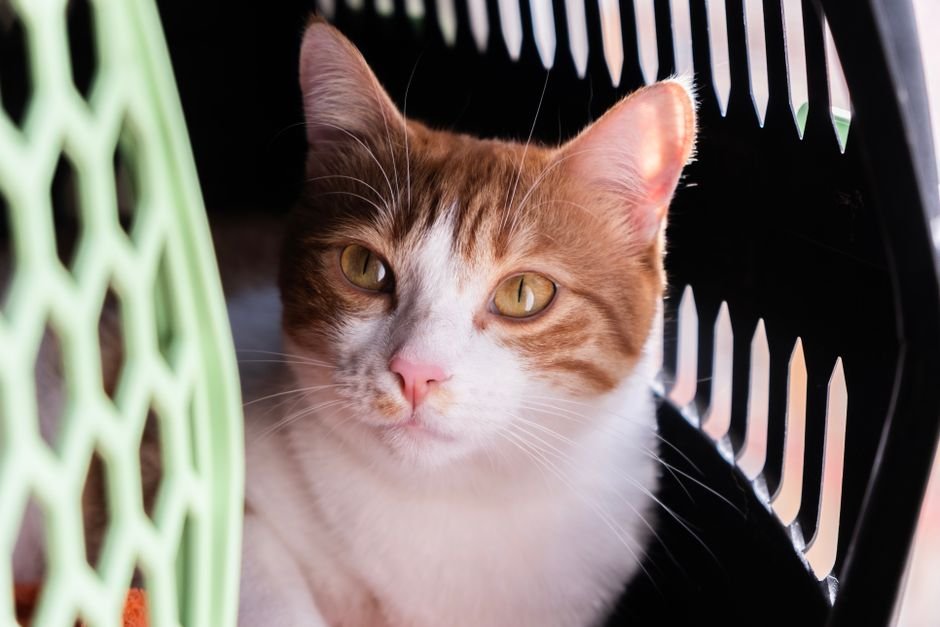
Look for a hard-sided carrier with two entry points: a front door and a full top that unclips or unzips completely. On a bad day you can lower a stressed cat in from the top instead of wrestling them through the front, and at the vet, a lot of exams can happen with the cat still sitting in the bottom half once the top comes off — which cuts the handling down to almost nothing.
Size and Latches
Bigger isn’t automatically better. A carrier should be long enough for your cat to turn around and tall enough to sit up, but a cat swimming in extra space tends to slide and brace against the walls during a car ride, which adds to the stress rather than reducing it. Snug enough to feel like a den, not a cage, is the target.
Check the latches before you buy, not after. Wire or plastic clips that a strong cat can push open from the inside during a stressful moment are a real risk — metal buckle-style latches or a locking zipper hold up better under pressure.
Making the Carrier Part of the Routine
A carrier that only appears right before a vet trip gets treated like a threat. Leaving it out in a regular room, with a blanket inside and the door propped open, turns it into a place your cat chooses to nap in on their own terms. Feeding a few meals near it, then eventually inside it, builds the association slowly instead of forcing it in one stressful morning.
Watch your cat’s tail and body language the first few times you introduce the carrier — a puffed tail or flattened ears mean back off and try again later rather than pushing through.
- Hard-sided shell with a removable or fully openable top
- Secure metal latches, not simple wire clips
- Enough room to turn around, not much more
- A washable pad or towel inside for familiar scent
Soft-sided carriers can work for a calm cat, but they flex under pressure, which means a determined cat can sometimes push a zipper or seam wider than it should go. Hard-sided shells hold their shape under a scared cat’s full weight and don’t collapse if set down on an uneven vet-office chair. The trade-off is that hard-sided carriers are bulkier to store, which is worth it for the security they add on the days it matters most.
In the car, secure the carrier with a seatbelt or wedge it against the footwell rather than letting it slide on the seat — sudden stops and turns are startling even to a cat who was calm getting in, and a carrier that shifts around adds motion on top of everything else that’s already unfamiliar about the trip.
If you’re getting ready for a first vet visit, our checklist for a first vet visit covers what else to have ready beyond the carrier itself. For more on recognizing stress signals in cats generally, the ASPCA’s cat care resources are a solid reference.
A carrier a cat walks into on their own is worth more than one that just looks sturdy on a shelf.