A Checklist for Renting a Car in an Unfamiliar Place
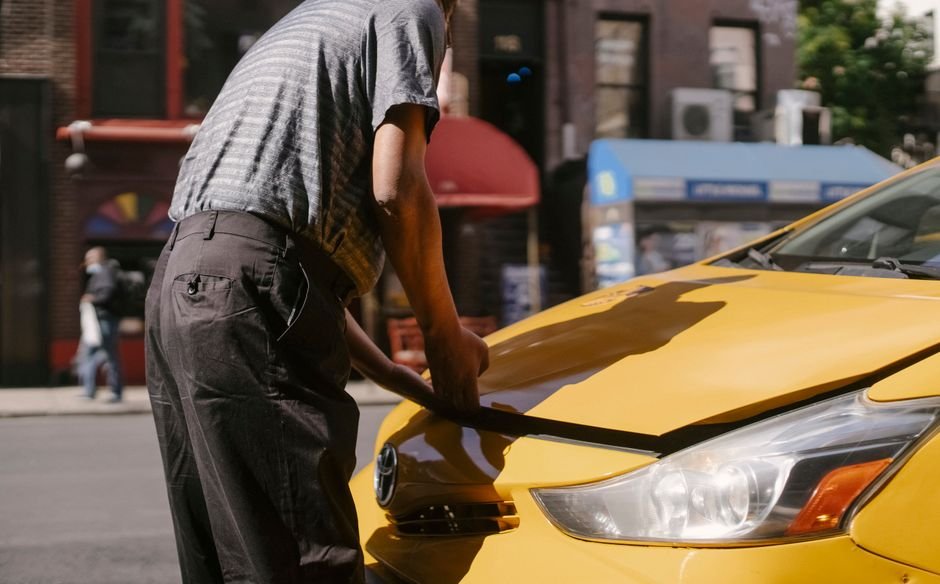
Before you drive away, walk around the car with your phone recording and note every scratch, dent, and chip on the rental agreement. A renting a car checklist is mostly about documentation: whatever isn’t recorded at pickup can be blamed on you at return.
That matters more in an unfamiliar place, where you may not know local rental norms, the language on the paperwork, or how disputes are handled.
Before you get to the counter
- Check your driving documents. Some countries require an International Driving Permit alongside your home license, and rental companies may ask for one even where the law doesn’t. Confirm with the destination’s official government sources and the rental company, not a forum.
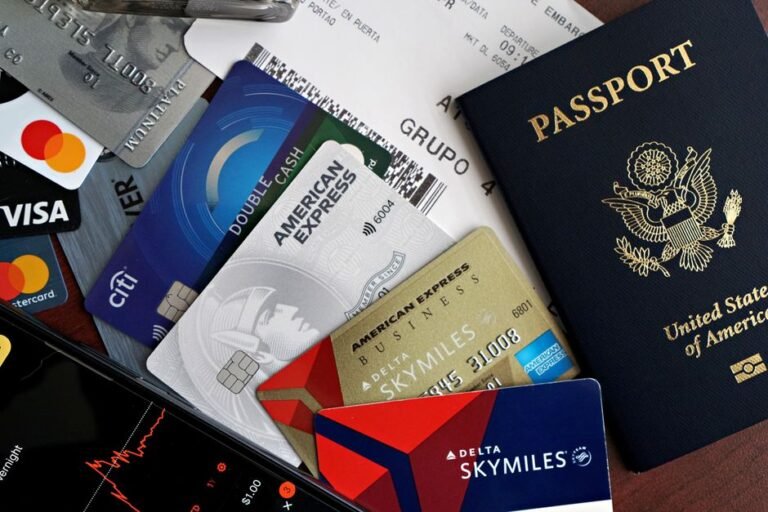
- Know what coverage you already have. Your credit card or travel policy may include rental car coverage, but often with exclusions for certain countries or vehicle types. What travel rewards credit cards offer beyond points explains where that coverage tends to hide.
- Read the fuel and mileage policy. “Full to full” is usually the fairest. Prepaid fuel often charges for a full tank whether you use it or not.
- Check the deposit. Many companies place a large hold on a credit card. Debit cards are sometimes refused outright.
The renting a car checklist at pickup
- Photograph and film all four sides, the roof if you can see it, the wheels, and the windshield. Zoom in on existing damage.
- Photograph the dashboard showing the fuel level and mileage.
- Check the tires for wear and make sure there’s a spare or repair kit.
- Test the lights, wipers, air conditioning, and horn before you leave the lot.
- Look for the required safety equipment. Some countries require a warning triangle or high-visibility vest in the car.
- Make sure every mark you found is written on the agreement, and get a staff signature if possible.
Ask how tolls work, too. Some regions use electronic tolling, and the rental company may charge a daily fee for a transponder or a hefty admin fee per unpaid toll.
Understanding the insurance upsell
The counter is where the pressure happens. Staff may offer collision damage waivers, excess reduction, tire and glass cover, and personal accident insurance. Some of it duplicates what you already have. Some of it fills real gaps, especially the excess, which can be a large sum.
Decide before you arrive what you’ll accept, so you’re not making the call while tired and in a queue. If you’re relying on a separate policy, bring proof of it. Understanding how travel insurance works helps you tell the difference between cover you need and cover you’re paying for twice.
At return
Repeat the photos and video in the return bay, including the fuel gauge. If the office is closed and you’re dropping keys in a box, this step is your only evidence. Keep your receipts for fuel near the drop-off.
If you’re renting in Europe and something goes wrong, the EU’s official car rental rights page explains what companies must disclose and how to raise a cross-border complaint.
Check your card statement for a few weeks after the trip. Damage and fuel charges sometimes appear long after you’ve flown home, and your photos are what let you dispute them.