Carry-On vs Checked: A Packing Checklist for Long Trips
Carry on anything you couldn’t replace within a day, anything that could be damaged or stolen, and anything with a lithium battery; check the bulky, the heavy, and the replaceable. Deciding what to carry on vs check by risk and need, not by what happens to fit, is what keeps a delayed bag from ruining a long trip.
Checked bags go missing or turn up days late more often than most people plan for. So the useful question for each item isn’t whether it fits in your carry-on, but what happens if you don’t see it for three days.
The carry-on checklist
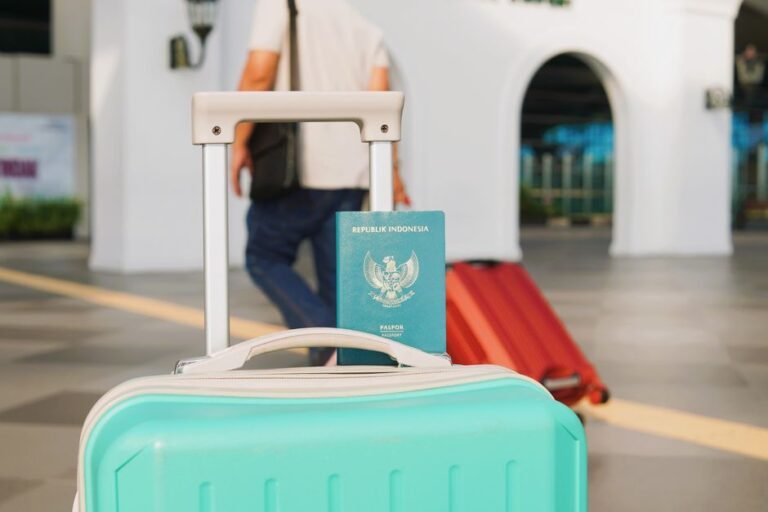
- Travel documents: passport, ID, any entry paperwork, printed and digital copies of bookings, and your insurance details.
- Medication: everything you take regularly, in its original packaging, with a copy of any prescriptions and a few extra days’ supply in case of delays.
- Money and cards: split between your bag and your person, never all in one place.
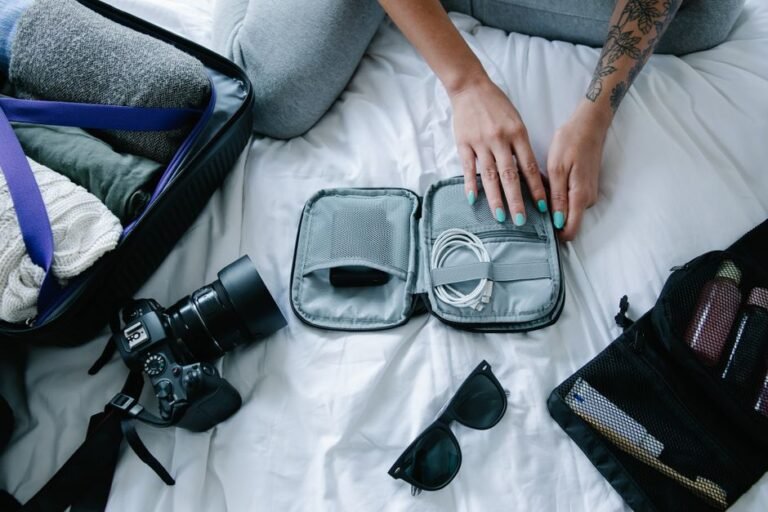
- Electronics: laptop, tablet, cameras, and especially spare lithium batteries and power banks, which airlines generally require in the cabin rather than the hold.
- Valuables: jewelry, anything sentimental, and anything expensive. Airline liability for valuables in checked bags is limited and often excluded.
- One day of clothing: a change of underwear, a shirt, and whatever you need for your first plans on arrival.
- Basic toiletries: toothbrush, contact lens supplies, and small liquids within the limits for your departure airport.
- First-24-hour essentials: chargers, glasses, and a warm layer for a cold cabin.
Security rules make some of these decisions for you. The TSA’s What Can I Bring? tool lets you look up specific items for U.S. flights; check the equivalent authority for any other country you depart from. Liquids are the usual sticking point, and packing a toiletry bag that meets carry-on rules covers that in detail.
What to carry on vs check: the checked bag
For a long trip, the checked bag is for volume: most of your clothing, spare shoes, full-size toiletries, and anything that falls outside cabin rules, such as larger liquids or certain tools and sports gear. These are things that would be annoying to lose but can be bought again if a bag goes astray. If you’re debating a specific item, weigh its cost and how hard it would be to find at your destination.
Pack it assuming it will be handled roughly and might be opened for inspection. Pad anything fragile or leave it at home, use a lock that security staff can open where that’s required, and put your name and a contact detail inside the bag as well as on the tag. A quick photo of the packed contents helps if you ever need to file a claim.
Electronics are the category people most often get wrong, since battery rules push some devices into the cabin even when there’s room below. The details are in common mistakes people make packing electronics for a trip.
Before you zip the checked bag, ask once more: if it never arrived, could you still start the trip tomorrow? If the answer is no, something in it belongs in your carry-on.