How to Tell If a Zipper Will Hold Up
Run the zipper up and down three times before you decide. A good zipper glides the entire length without catching, snagging fabric, or needing a tug to restart — if it hesitates anywhere on a brand-new item, that spot will fail first.
What to Check With Your Hands
Metal zippers generally outlast plastic-coil ones under heavy use, but the metal itself matters — brass and nickel-plated teeth resist corrosion better than painted or coated alternatives that can chip and rust. Coil zippers (made from a continuous plastic spiral rather than individual teeth) are lighter and quieter, and a well-made coil zipper can be just as durable as metal for everyday use like jackets and bags; it’s the thin, cheap coil zippers that split under strain.
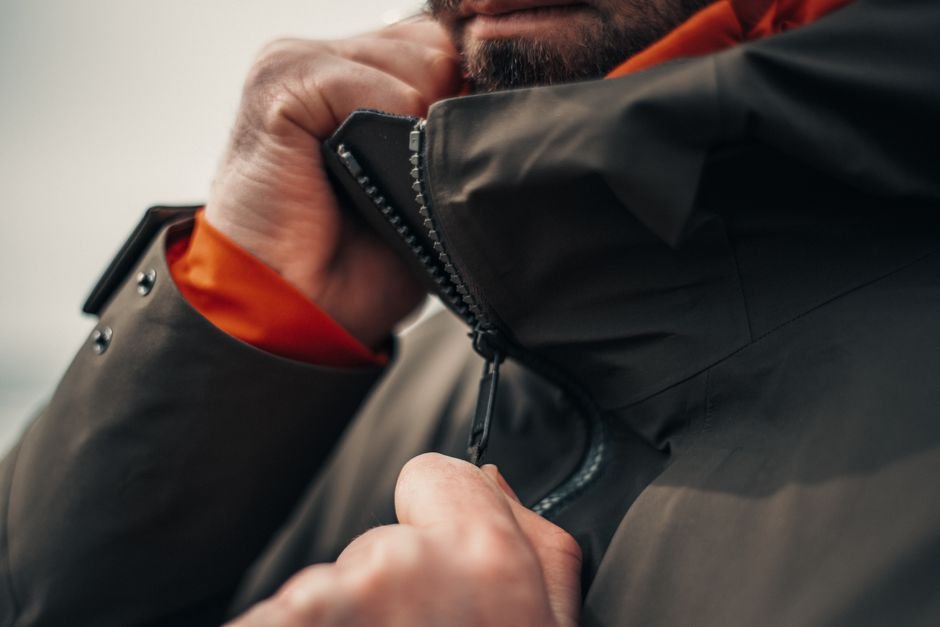
Pinch the zipper pull and wiggle it side to side. Excess play means the pull is loosely attached and likely to snap off with regular use. Then check the slider — the part that moves along the teeth — for smooth, even metal with no visible seams or rough edges where it was stamped.
Separating zippers, the kind used on jackets that open all the way at the bottom, put extra strain on a small plastic or metal insert pin that locks the two sides together. That insert is worth checking on its own: seat it fully before zipping up, and if it takes more than light pressure to align, the tolerances are loose and it will likely misalign again after a few uses.
Where Zippers Fail First
Almost every zipper failure starts at the bottom stop, the small metal or plastic piece that keeps the slider from running off the end. If that stop is loose, thin, or missing, the zipper will eventually separate no matter how good the teeth are. Check it by pulling the slider firmly to the bottom and seeing whether it holds.
The second common failure point is the tape — the fabric strip the teeth are sewn to. If the stitching along the tape is uneven or the tape itself is thin and see-through, the teeth will pull away from the fabric under tension well before the zipper mechanism itself wears out.
- Glide test: run it the full length three times, feeling for any catch.
- Pull test: wiggle the zipper pull for play; tug the slider against the bottom stop.
- Tape check: look for even stitching and tape thick enough that it doesn’t show light through it.
- Material match: metal for heavy daily use, quality coil for lighter jackets and bags.
Brands that use recognized zipper manufacturers, such as YKK, tend to be a safer bet than an unlabeled zipper, since those companies build to consistent tolerances across their product lines. If the zipper is on a leather bag rather than a fabric jacket, it’s also worth confirming the material itself first — see how to tell real leather from faux at a glance — since a great zipper sewn to a weak panel won’t help much. If you’re checking a jacket specifically, pair this with how down and synthetic insulation compare, since a jacket’s zipper takes more strain than its fill ever does.
A stiff zipper on a new item is a warning sign, not something that will break in. Skip it.