How to Tell If a Dog Is Overheating on a Walk
The first sign a dog is overheating on a walk is usually heavier panting than the pace explains, not collapse — by the time a dog collapses, it’s already an emergency. Learning to spot dog overheating on a walk signs early is what actually prevents that emergency from happening in the first place.
Early Dog Overheating on a Walk Signs Worth Stopping For
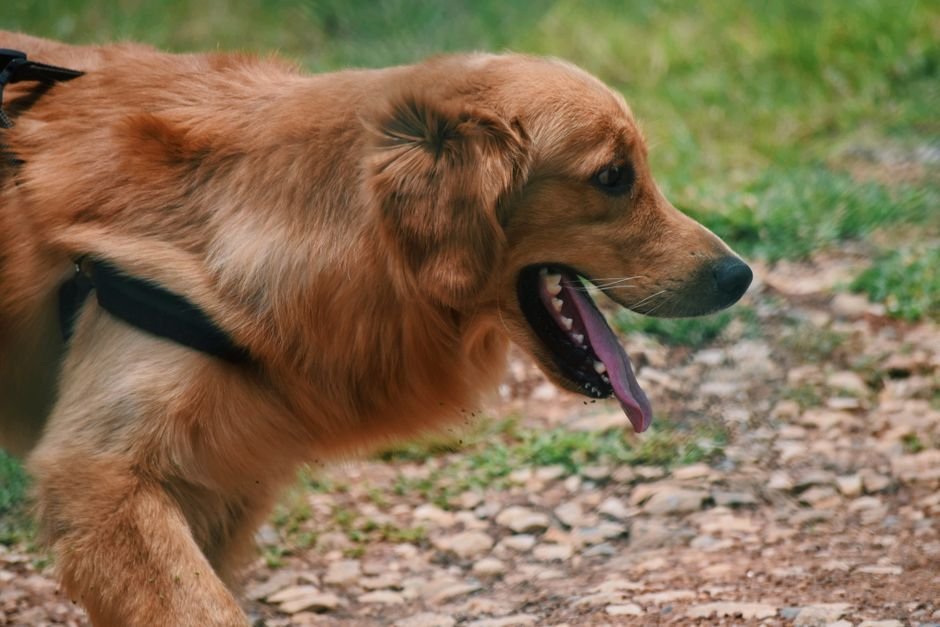
Heavy panting that doesn’t ease when you slow down is the first real flag, especially paired with a wide, exaggerated open mouth or pulling at the leash to move slower or find shade. Bright red or dark red gums, thick drooling, and a dog that stops sniffing and exploring and just wants to walk in a straight line home are all signs the walk should end now, not at the next block. Flat-faced breeds like bulldogs and pugs, along with senior dogs, overweight dogs, and thick-coated breeds, overheat faster than a fit, short-coated adult dog and deserve a shorter leash on hot-day expectations.
When It’s Moved Past “Warm” Into an Emergency
These signs mean stop immediately and get emergency veterinary care, not home management:
- Wobbling, stumbling, or an uncoordinated walk
- Vomiting or diarrhea during or right after the walk
- Collapse or unresponsiveness
- Bright red gums with thick, ropey saliva
- Seizure-like movement
A dog showing any of those needs a vet immediately — heatstroke in dogs can cause organ damage within minutes, and the window to reverse it is short. On the way, keep the dog in air conditioning or pour cool (not ice-cold) water over the body, since very cold water can constrict blood vessels and trap heat instead of releasing it. Call the vet while you’re en route if you can, so they know an overheated dog is coming in and can be ready the moment you arrive.
Preventing It in the First Place
Walk during cooler hours, check pavement temperature with the back of your hand before setting out, and carry water for the dog, not just yourself. A harness that fits well matters here too, since a properly fitted harness won’t restrict panting or airflow around the neck and chest the way a badly sized one can. Watch body language throughout the walk rather than only at the end — the same attentiveness that helps you catch early warning signs in other situations applies here too, since a dog that goes from enthusiastic to reluctant mid-walk is telling you something before its body forces the point. The American Veterinary Medical Association has detailed guidance on recognizing and responding to heatstroke that’s worth reading before hot weather starts, not during it.