How to Tell If a Senior Dog’s Slower Pace Is Normal Aging
Some slowing down is a normal part of getting older. Most senior dogs walk more slowly, sleep more, and take a moment longer to get up, but a sudden change, obvious discomfort, or losing interest in things they still love is a reason to see your vet rather than put it down to age.
The trouble is that the line between a senior dog slowing down, normal aging, and something treatable is blurry from the couch. A few patterns make it clearer.
Senior Dog Slowing Down: Normal Aging Looks Like This
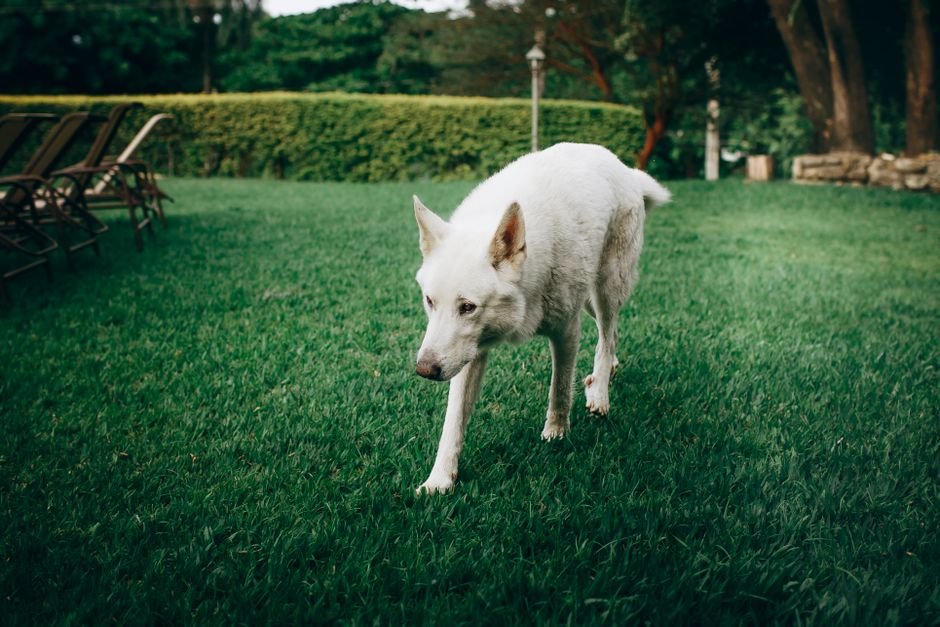
A dog who is aging comfortably still wants the same things, just in smaller doses. Walks get shorter and more sniff-heavy. Naps get longer and deeper, so your dog may not hear you come home the way they used to. Recovery after a big day takes longer. The muzzle greys, the coat may thin a little, and weight can drift as activity changes.
The common thread is that the change is gradual and your dog still seems like themselves. They greet you, eat with interest, and look for the leash, even if the walk that follows is slower.
Senses fade too. Cloudy-looking eyes and slower responses to your voice are common, and a dog who startles when touched while asleep may simply not have heard you coming. Approach where they can see you, and mention these changes at the next checkup.
You can make this stage easier. Shorter, more frequent walks often suit an older dog better than one long one. Rugs on slick floors help with footing, and a supportive bed matters more now; what makes a dog bed worth the cost covers what to look for. Gentle mental work like sniffing games and food puzzles keeps a slower dog engaged, and what enrichment toys do for a bored dog has ideas that don’t depend on speed.
When a slower pace is worth a vet visit
Pain in dogs is often subtle, and many owners are surprised by how much a stiff, “lazy” dog perks up once a vet has found and managed the cause. Book an appointment if you notice:
- Stiffness that’s worse after rest, limping, or reluctance to jump, climb stairs, or get into the car
- Panting or pacing at night, or trouble settling
- Changes in appetite, thirst, or weight without an obvious reason
- Confusion, getting stuck in corners, or a flipped sleep-wake pattern
- New or changing lumps
- Flinching or snapping when touched in a particular spot
Some signs can’t wait for a routine visit. Collapse, sudden weakness in the back legs, trouble breathing, pale gums, a swollen belly, or repeated retching without bringing anything up are emergencies. Go to a vet or emergency clinic immediately.
Many vets suggest checkups every six months for senior dogs, because changes build faster at this age and bloodwork can catch problems before they show. The Cornell Riney Canine Health Center publishes reliable owner information on aging and common conditions if you want to read further.
In the meantime, don’t reach into your own medicine cabinet. Several common human painkillers are dangerous for dogs, and only your vet should decide what’s safe for yours.
Slower is fine. Different is worth a phone call.