DIY home decor ideas
There is something uniquely satisfying about a home that genuinely reflects the people living in it. Not the home that looks like a showroom or a catalog page, but the one that has a gallery wall assembled over years of trips and conversations, a shelf built by hand on a weekend afternoon, a wreath on the door that took two hours and cost almost nothing. DIY home decor is not just a way to save money — it is the most direct way to make a space feel like yours.
This guide covers the most effective DIY home decorating ideas organized by room and season, with specific emphasis on what actually works visually, what materials are involved, and how to approach each project without overcomplicating it. Whether you are starting with a blank apartment, working on a lived-in house, or just looking for simple weekend crafts that produce outsized results, there is something useful here.
Where to Start: The Principles Behind Good DIY Decorating
Before touching a single piece of craft material, a few foundational ideas will save you money, time, and the frustration of finishing a project that does not fit the space.
Define your aesthetic before you shop. Collecting inspiration from rooms that genuinely appeal to you — not just rooms that are popular online — reveals your actual preferences faster than trying to articulate them in the abstract. Create a simple mood board using saved images and look for the common threads: recurring colors, textures, levels of warmth, degrees of visual busyness. That common thread becomes your filter for every purchase and project decision.
Shop your home first. Before spending anything, walk through every room and identify what you already own that is not in its best location. A piece of art that has been in the same spot for years often looks fresh in a different room. Ceramics stored in a cupboard might work beautifully on an open shelf. A blanket folded over a chair rather than stored in a bin changes the reading of a whole corner.
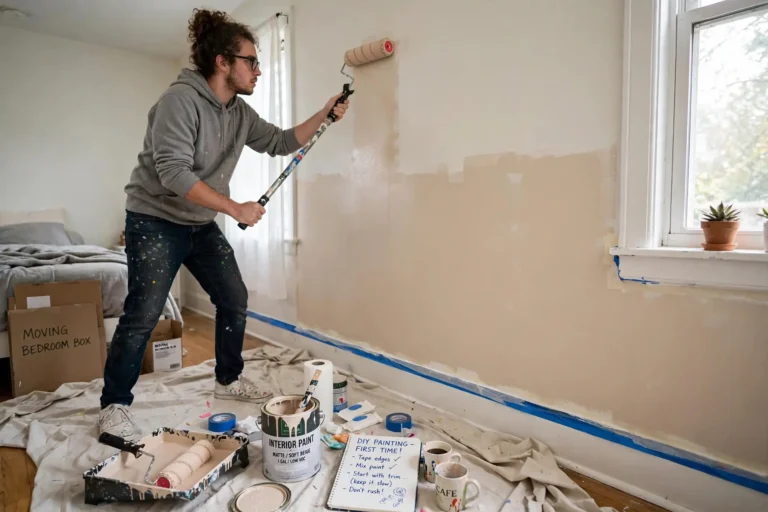
Establish a neutral base. Warm neutrals — beige, warm white, soft taupe, and natural wood tones — provide a cohesive foundation that makes handmade and thrifted items look intentional rather than collected. When the background is quiet, individual pieces carry more visual weight without needing to compete with each other.
DIY Home Decor Ideas for the Living Room
The living room is usually where the most visual energy goes, and it is also the room where modest changes have the biggest impact because it is seen most often.
Gallery Walls
A curated gallery wall is one of the most consistently effective DIY home decor ideas for living rooms, and its success depends almost entirely on curation rather than budget. Mix framed family photographs with travel prints, a hand-drawn sketch, a piece of simple typography, or even a pressed botanical specimen behind glass. The frame materials should vary — wood, metal, thin white matte — to prevent the arrangement from reading as a matched set purchased in one transaction.
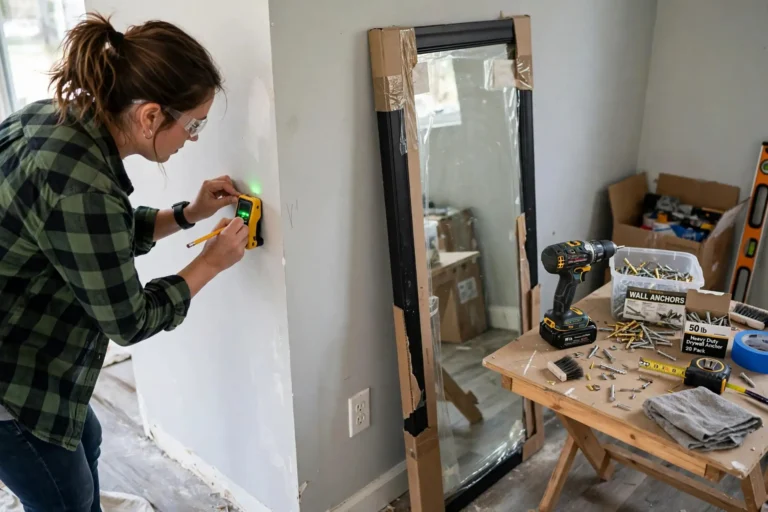
Before committing anything to the wall, lay the arrangement on the floor and spend time adjusting it. Photograph it from above and look at the image — it is easier to evaluate balance and spacing from a distance. For installation, use painter’s tape as placeholder markers on the wall before drilling any holes.
Textured DIY Wall Art
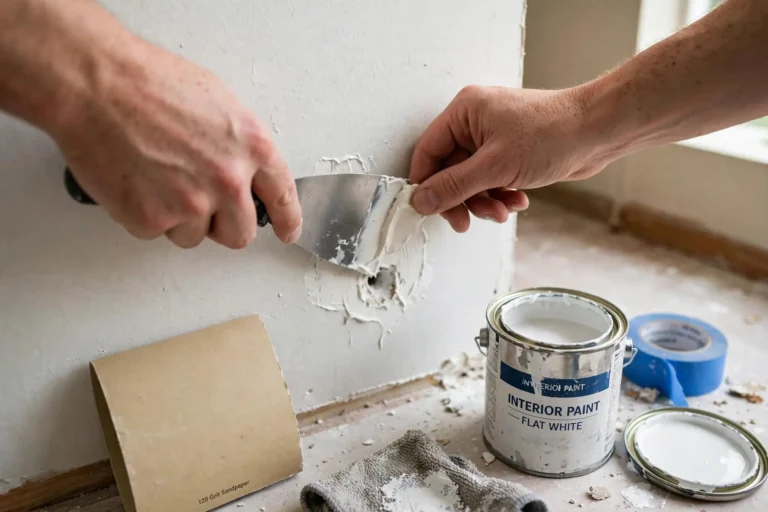
Large-scale wall art from retailers is expensive. Making it at home is genuinely straightforward and produces results that look far more interesting than anything mass-produced. The most accessible approach involves applying textured paint, spackle, or joint compound to a canvas in broad, gestural strokes using a palette knife or a piece of cardboard. When dry and painted in a single tonal color — warm white, sand, soft terracotta — the result looks like expensive plaster sculpture at a fraction of the cost.
Rope work is another option: wrapping jute twine or thick cotton cord around a canvas or board in geometric patterns creates texture with a natural, handmade quality. Both approaches require virtually no artistic skill and primarily reward patience with drying time.
DIY Floating Shelves
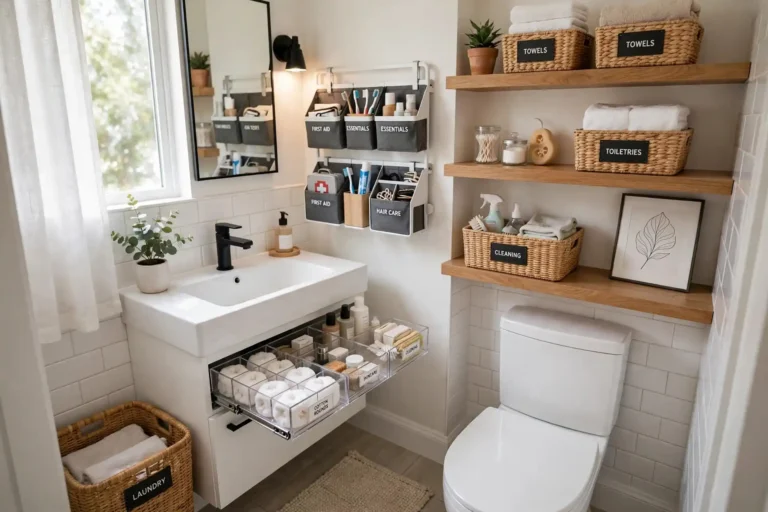
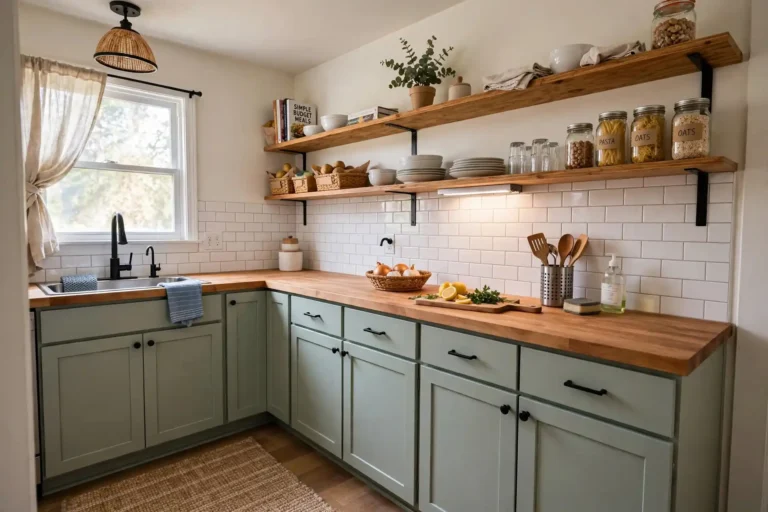
Floating shelves are one of the most functional and visually flexible DIY home interior decorating ideas available. The simplest version uses wooden boards from a hardware store (or reclaimed lumber for a more textured, country home decor feel), wall brackets, and paint or stain. The result is storage and display space that feels built-in at a fraction of the cost.
Styling shelves well is its own skill: the principle is to balance visual weight across the shelf rather than filling it entirely. A combination of differently sized objects — a tall vessel, a shorter stack of books, a small plant, a framed photograph — reads better than a continuous line of similarly sized items.
Lighting as Decor
Most rooms are underlit, and the lighting they do have is typically poorly positioned. Swapping a flat overhead fixture for a pendant light with character changes the entire mood of a room. Battery-operated or plug-in sconces mounted on a custom wooden backplate create the look of built-in lighting without electrical work. Fairy lights strung on a wall and layered with pinned photographs or art prints create a soft ambient glow that no overhead fixture replicates.
Under the category of simple DIY home decor craft ideas that cost very little: mason jars, LED candles, and a wooden board assembled into a rustic wall sconce is a genuinely well-regarded look that takes under an hour to assemble.
DIY Home Decor Ideas on a Budget
Budget is where most decorating guides lose practical usefulness — they recommend beautiful things without accounting for the reality of cost. These ideas are specifically structured around low material cost and high visual return.
Upcycled Furniture
Thrift stores and online resale platforms regularly have solid wood furniture — dressers, side tables, chairs — that look dated only because of their surface finish or hardware. A thorough sanding, a coat of primer, and two coats of paint in a current color (warm greige, sage green, matte navy, or a soft terracotta) genuinely transforms these pieces. Replacing the hardware with modern pulls or knobs completes the update. The material cost for this entire process is typically $30 to $60.
The skill ceiling is low. The patience requirement is moderate — the process produces good results only when preparation steps (cleaning, sanding, priming) are not skipped.
Painted Terra Cotta Pots
For a cluster of inexpensive plants or even as standalone decorative objects, painted terra cotta pots in coordinating colors add warmth and coherence to a windowsill, shelf, or countertop. Use chalk paint for a matte finish or acrylic with a clear sealant for durability. Geometric patterns, color blocking, or solid earthy tones all work well. This is one of the most beginner-accessible homemade DIY home decor ideas available — total cost is typically under $10 per pot.
Fabric as Art
Stretching fabric over a frame or canvas is a genuinely elegant way to add color and pattern to a wall without purchasing framed art. Textured linen, bold-patterned cotton, or a piece of wallpaper can be stretched and stapled around the back of a simple canvas from a craft store. The result looks deliberate and designed. Change it seasonally by swapping the fabric — a linen in summer, a wool-blend tweed in winter — without any additional wall installation.
Rope and Twine Projects
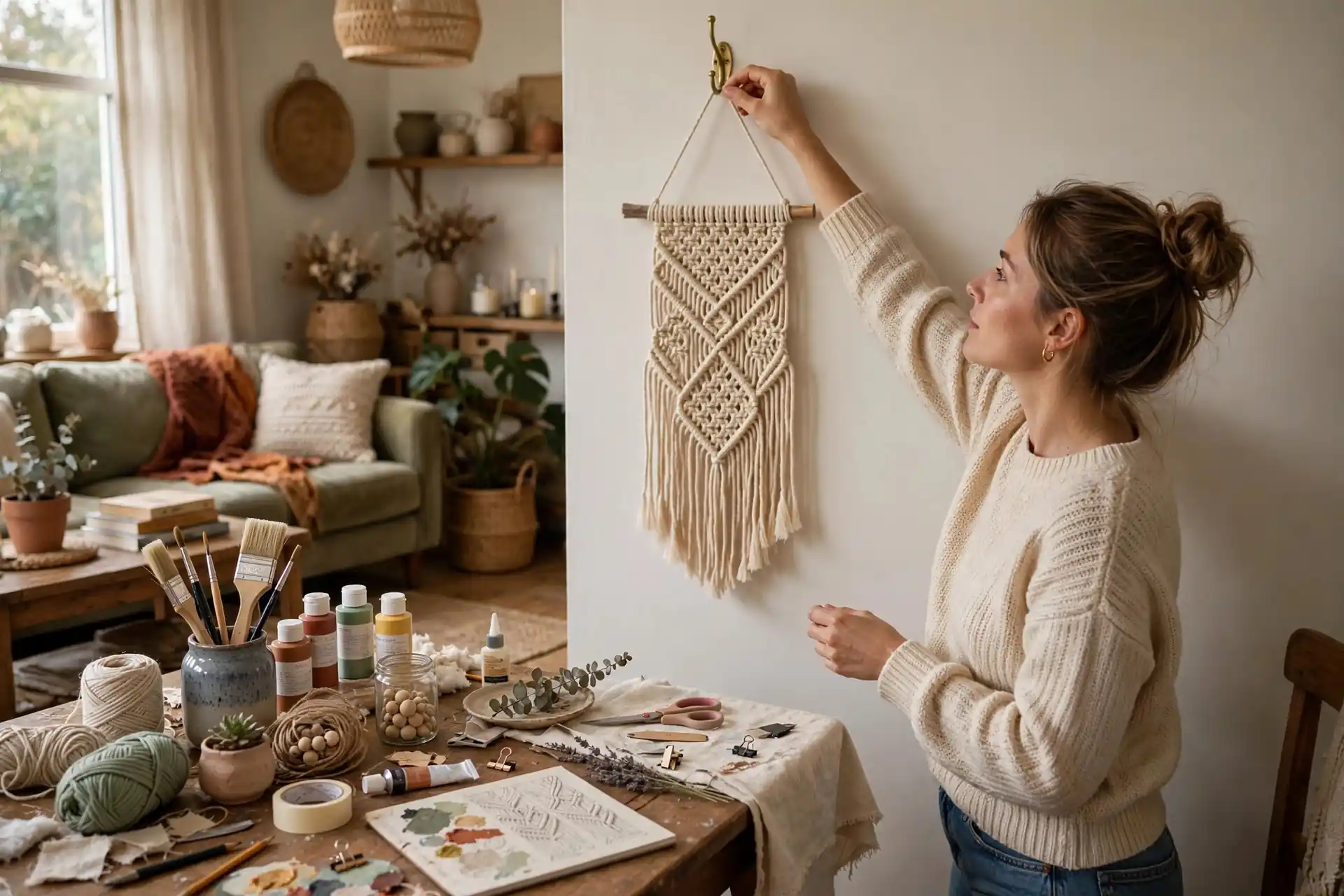
Natural fiber materials — jute twine, macrame cord, cotton rope — produce a warm, artisanal quality that reads as far more expensive than it is. Common projects include macrame wall hangings (beginner patterns are widely available and require no prior experience), rope-wrapped vases, and hanging plant holders. These fit naturally into a country home decor aesthetic but also work in minimalist and coastal settings depending on scale and execution.
DIY Fall Home Decor Ideas
Seasonal decorating creates the rhythm of the year inside a home, and fall is one of the most rewarding seasons to work with. The palette — warm oranges, deep burgundy, golden yellow, rich brown — is inherently cozy, and many of the most effective fall decor materials are free or very inexpensive.
Dried Botanical Arrangements
Dried flowers, seed pods, cotton stems, eucalyptus, and pampas grass all hold beautifully through the autumn months and cost very little when gathered from gardens, foraged from appropriate outdoor spaces, or purchased inexpensively from craft stores during seasonal sales. A tall glass vase with an arrangement of dried botanicals in warm tones is a simple and genuinely beautiful autumn centerpiece.
Fabric Pumpkins
Fabric pumpkins made from scrap velvet, burlap, or textured fabric with cinnamon stick stems are one of the most popular fall craft ideas for a reason — they look polished, hold up year after year, and cost almost nothing to make. Velvet in deep burgundy, mustard yellow, or forest green produces a result that looks considerably more expensive than the materials involved.
Autumn Wreaths
A simple dried hydrangea or eucalyptus wreath on a front door requires only a wire base, gathered materials, and floral wire. Gather the stems in small bunches and attach them around the base in overlapping rows until covered. Adding dried citrus slices, cinnamon sticks, or preserved autumn leaves adds seasonal detail without significant additional cost.
Simple DIY Christmas Decoration Ideas at Home
Christmas decorating benefits from the same prioritization that works in the rest of the home — a few well-executed pieces produce a more genuinely festive result than an overwhelming quantity of low-quality decoration.
Paper Snowflakes and Ornaments
Classic six-pointed paper snowflakes, cut from white or silver paper and hung in windows or from string across a doorway, are visually striking and cost almost nothing. The technique is learnable in minutes and scalable from a single centerpiece snowflake to a whole cascade. Geometric paper ornaments in the same style can hang from a tree or be suspended from a ceiling arrangement.
Personalized Stockings
Plain felt or fabric stockings from a craft store can be personalized with iron-on letters, fabric paint, or embroidered initials. Making stockings from scratch using a simple pattern cut from felt and hand-stitched or fabric-glued together is well within beginner DIY capability and produces a result with genuine sentimental value that store-bought alternatives cannot replicate.
Evergreen and Candle Centerpieces
A low wooden board or tray dressed with evergreen cuttings, pinecones, pillar candles, and small dried fruit or berries creates a classic holiday centerpiece that costs very little and is assembled in minutes. The materials can be swapped out or added to across the holiday season without purchasing anything new.
DIY Home Decor Craft Ideas for the Bedroom
The bedroom is where softer, more personal decor choices tend to work best. The priority is texture, warmth, and calm.
Layered textiles. Swapping out a duvet cover, adding a lightweight throw in a complementary color, and arranging decorative cushions changes the visual weight of a bed significantly. Thrift stores frequently carry quality cushion covers and throws at a fraction of retail prices.
Fairy light canopy. A simple canopy effect created by stringing warm fairy lights across the ceiling above the bed or along the wall behind the headboard creates an atmosphere that no overhead fixture replicates. This is one of the most low-cost, high-ambiance DIY home decor ideas for the bedroom.
Personalized nightstand styling. A small stack of books, a ceramic vessel with a single dried stem, and a simple candle create a nightstand arrangement that feels considered and intentional. These items are already in most homes — they simply need to be organized with a bit more deliberateness.
Seasonal Thinking: Rotating Your DIY Decor
One of the most underused approaches to DIY home decorating is treating decor as seasonal rather than permanent. Rather than finding the right pieces and keeping them indefinitely, rotating a small number of seasonal elements — a different wreath for each major season, botanical arrangements that change from spring to autumn, cushion covers that shift from light summer linens to heavier autumn weaves — keeps the home feeling fresh without continuous purchasing or project execution.
This approach also fits naturally with a broader philosophy of intentional living: fewer, more considered things that change with the season, rather than an accumulating mass of permanent objects. The same principle applies across different areas of life and home — from how we approach our kitchen and cooking spaces to how we care for the animals in our lives, including understanding our pets’ behavior and needs.
How to Execute DIY Projects Successfully
A few practical considerations apply across every DIY home decor project regardless of type:
Measure before committing. The most common mistake in DIY decorating is starting a project without measuring the space it will occupy. A gallery wall that looks right on the floor becomes either too small or overwhelmingly large on the actual wall. A shelf cut without reference to the wall space ends up in a proportion that is off.
Accept imperfection as part of the aesthetic. Handmade decor has slight variations and imperfections that mass-produced objects do not. This is not a flaw — it is what makes handmade items feel different. The goal is not to produce something that looks machine-made; it is to produce something that looks cared-for and intentional.
Build in drying time. Virtually every craft project involving paint or adhesive produces better results when allowed to dry fully between stages rather than being rushed. Planning for this time — putting a project down for the night between the first and second coat — produces a noticeably more professional result.
And if your creative energy extends beyond home decor into the kitchen — perhaps you enjoy making things from scratch for everyone in the household, including your pets — our homemade dog treat recipes guide applies exactly the same principle of using simple ingredients and a bit of time to produce something far better than what comes in a package.
For current project inspiration, cost references, and step-by-step tutorials in your specific style area, Google’s search results for DIY home decor ideas surface a wide range of visual guides and craft tutorials across every aesthetic and skill level.
Frequently Asked Questions
What are the easiest DIY home decor ideas for beginners?
Gallery walls, painted terra cotta pots, fabric-stretched art panels, floating shelf installation, and fairy light arrangements are all genuinely beginner-accessible. They require no specialized tools, minimal skill, and produce strong visual results. Seasonal projects like dried botanical arrangements and fabric pumpkins are also excellent starting points because they require no permanent installation and are easily redone if the first attempt is not quite right.
How do I make my home look expensive with DIY decor?
The elements that make a space read as expensive are almost never about the cost of individual items — they are about cohesion, proportion, and curation. Use a consistent color palette, vary the heights and textures of displayed objects, keep surfaces from being overcrowded, and invest time in presentation. A single large-scale piece of DIY wall art in a good proportion for the wall will do more for a room than ten smaller inexpensive decorations.
What are the best DIY home decor ideas for living rooms?
Gallery walls, DIY floating shelves, textured canvas wall art, and strategic lighting updates (pendant fixtures, battery wall sconces, fairy lights) are among the most impactful changes for a living room. Updating textiles — cushion covers, throw blankets — is fast and low-cost. Upcycled furniture with fresh paint and new hardware is a more involved project but transforms the room more dramatically than any decor addition.
What DIY fall home decor ideas are easiest to make?
Dried botanical arrangements, fabric pumpkins, and a simple twig or eucalyptus wreath are the most accessible fall projects. Fabric pumpkins require only scrap fabric, polyfill stuffing, and cinnamon sticks, and can be completed in under an hour. Dried botanical arrangements require nothing beyond the gathered materials and a vase.
How do I plan DIY Christmas decorations at home without overspending?
Start with what you already own and identify what genuinely needs to be added or replaced. Choose two or three focal areas — the front door, the mantelpiece, the dining table — and concentrate effort there rather than spreading thin across the whole house. Paper crafts, evergreen cuttings, candles, and simple wrapped gifts in cohesive paper are enough to create a genuinely festive environment at very low cost.
Conclusion
DIY home decorating works because the decisions that make a space feel right — scale, proportion, color coherence, lighting quality, the texture of surfaces — are not dependent on cost. They are dependent on attention. The most beautiful rooms are not the most expensively decorated ones; they are the ones where someone looked carefully at what was there, understood what was missing, and made considered additions.
Starting with a neutral base, knowing your aesthetic before you begin shopping, using what you already own creatively, and approaching each project with patience produces results that feel genuinely personal and consistently look more intentional than anything assembled quickly from a single retail source.
The projects in this guide range from an afternoon to a weekend, the materials range from free to modest, and the results range from subtly improved to genuinely transformed. Pick one room. Start with one project. See how it changes the way the space feels.