Homemade dog treat recipes
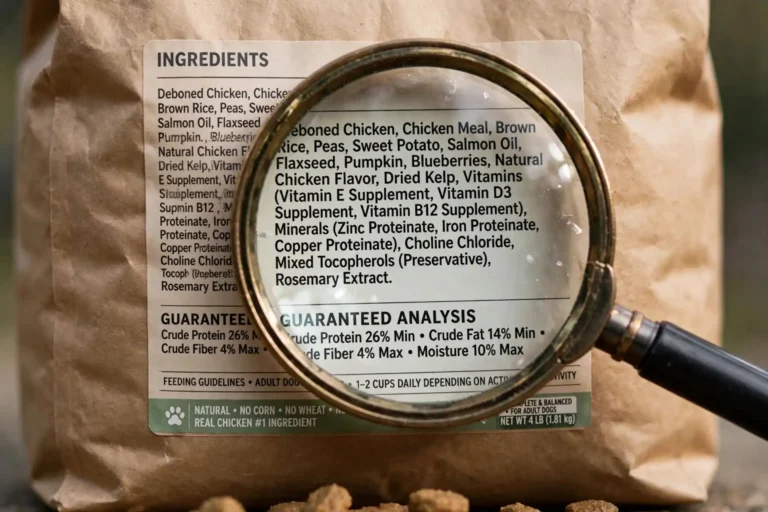
Most dog owners, at some point, flip over a bag of commercial treats and feel vaguely uncomfortable about what they are reading. Artificial preservatives, dyes with no nutritional purpose, unnamed “meat derivatives,” and ingredients that sound more like chemistry than food. Making homemade dog treats at home removes that discomfort entirely. You know exactly what is in every bite, you can adjust recipes for dogs with allergies or sensitivities, and most recipes use ingredients that are probably already in your kitchen.
This guide covers six easy homemade dog treat recipes — baked and no-bake, including frozen options — along with a clear guide to which ingredients are safe, which are genuinely dangerous, and how to store and serve treats properly. All recipes use simple, widely available ingredients and have been composed with veterinary safety guidelines in mind.
Why Homemade Dog Treats Are Worth Making
Store-bought treats are convenient, but the better commercial options can be expensive, and the cheaper ones often contain synthetic preservatives such as BHA, BHT, and ethoxyquin, along with artificial dyes that serve no nutritional function. When you make treats at home, the ingredient list is whatever you put in it.
There is also the customization factor. A dog with a grain intolerance needs different treats than a healthy adult dog on a standard diet. A dog managing weight needs lower-calorie snacks. A dog in active training benefits from small, high-value treats with a strong smell. All of these variations are easy to accommodate at home and nearly impossible to accommodate precisely with off-the-shelf products.
Making treats is also straightforwardly cheaper than buying premium clean-label brands. A batch of pumpkin biscuits made from oats, eggs, and a can of pumpkin costs a fraction of what a comparable commercial product costs per piece.
One important principle applies across everything in this guide: treats should make up no more than 10% of a dog’s daily caloric intake. They supplement a complete diet — they do not replace it. If your dog has a known medical condition, allergies, or dietary restrictions, check with your veterinarian before introducing new foods.
Safe Ingredients for Homemade Dog Treats
Understanding what is safe to use — and what needs to be avoided — is the foundation of any homemade dog treat recipe. The ingredients below are widely used in dog-safe baking and are considered appropriate for healthy adult dogs.
Safe base ingredients:
- Oat flour and rolled oats (naturally gluten-free)
- Whole wheat flour or brown rice flour (for dogs without grain sensitivities)
- Eggs (a complete protein source)
- Pure canned pumpkin (not pumpkin pie filling, which contains harmful spices and sugars)
- Sweet potato (cooked and plain)
- Bananas (in moderation due to natural sugar content)
- Natural peanut butter (see the xylitol warning below)
- Plain, unsweetened Greek yogurt
- Blueberries, apples (seeds and core removed), carrots, and cooked plain chicken or turkey
The xylitol warning you cannot skip: Xylitol is an artificial sweetener found in many human food products, including some peanut butters, certain brands of yogurt, sugar-free gum, and candy. Even small amounts are extremely toxic to dogs, capable of causing a rapid and potentially fatal drop in blood sugar as well as liver failure. Check the label on every peanut butter you buy — not just once, but every time, because manufacturers change formulas. Look for xylitol, birch sugar, and the additive code E967. If any of these appear, do not use that product.
Ingredients to Never Use in Dog Treats
Several common human foods are genuinely toxic to dogs and must be excluded from any homemade treat recipe:
- Chocolate and cocoa — affect the heart and nervous system
- Grapes, raisins, and currants — can cause sudden kidney failure
- Onions, garlic, chives, and leeks — damage red blood cells even in small amounts
- Macadamia nuts and walnuts — cause weakness, tremors, and overheating
- Nutmeg — found in many pumpkin pie fillings, toxic to dogs
- Xylitol in any form — potentially fatal
- Salt and sugar — avoid adding either to homemade treats
- Avocado — generally avoided, particularly in larger quantities
6 Easy Homemade Dog Treat Recipes
Recipe 1: Peanut Butter and Banana Bites
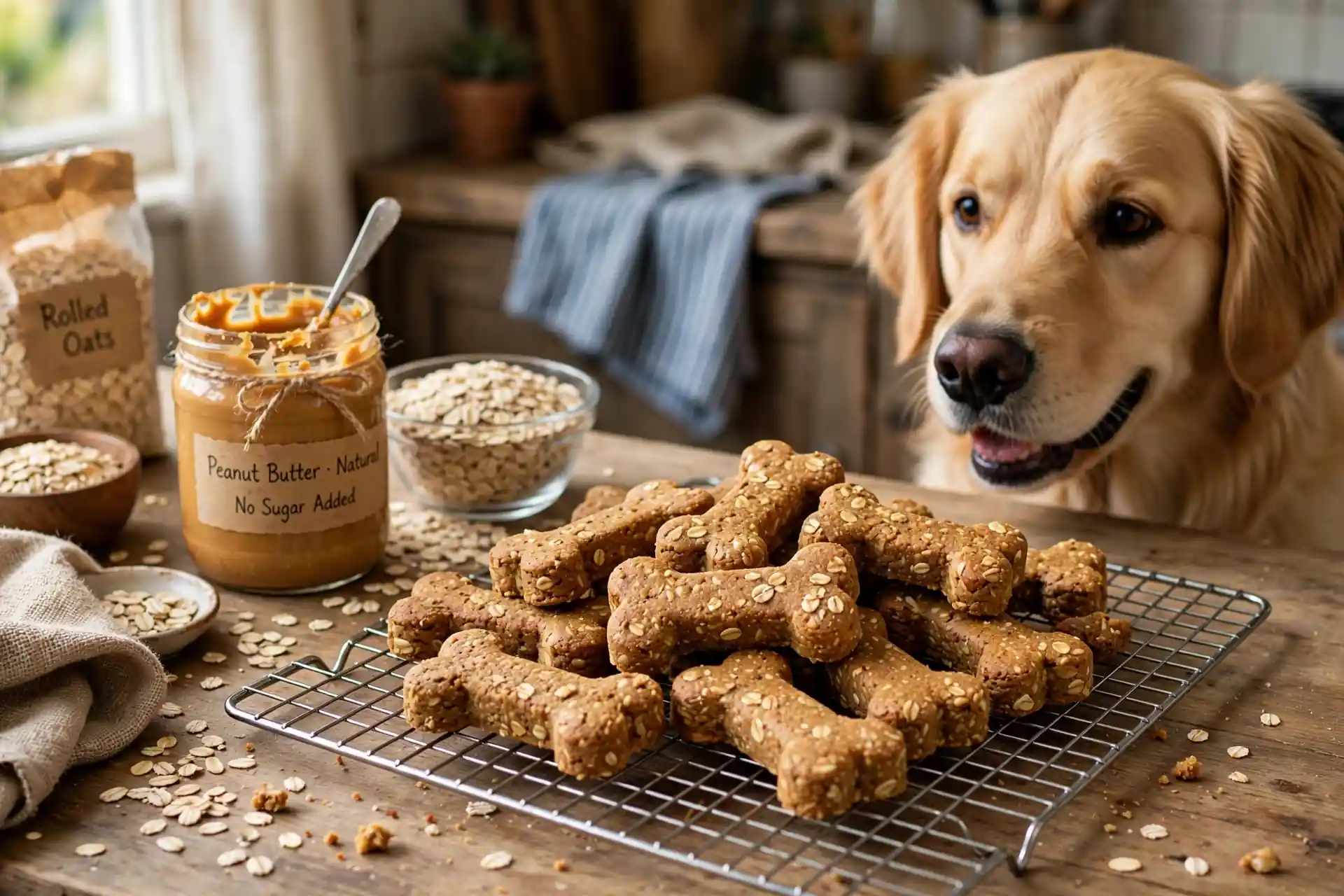
These are probably the most universally loved dog treats to make at home, and they require almost no kitchen skill. The banana acts as a natural binder and sweetener, eliminating any need to add sugar.
Ingredients:
- 1 ripe banana, mashed
- 1/2 cup natural, xylitol-free peanut butter
- 1 1/4 cups oat flour (blend rolled oats in a food processor if you do not have oat flour)
- 1/4 cup rolled oats
Instructions: Preheat your oven to 325°F (163°C) and line a baking sheet with parchment paper. Mix the mashed banana and peanut butter until well combined, then stir in the oat flour and rolled oats. The dough should be firm enough to roll. Roll into small balls or press flat and cut into shapes. Bake for 15 to 20 minutes until firm and lightly golden. Allow to cool completely before serving.
Storage: Airtight container in the refrigerator for up to a week, or freeze for up to two months.
Recipe 2: Pumpkin and Oat Digestive Biscuits
Pumpkin is one of the best ingredients you can include in homemade dog treat recipes. It is naturally high in fiber, supports healthy digestion, and most dogs find it genuinely appealing. These biscuits keep well and are useful for training because they break into small pieces cleanly.
Ingredients:
- 1 cup 100% pure canned pumpkin (not pie filling)
- 2 eggs
- 2 1/2 cups oat flour
Instructions: Preheat the oven to 350°F (175°C). Combine the pumpkin, eggs, and oat flour and mix until a firm dough forms. If it is too sticky to handle, add a small amount of additional oat flour. Roll out to about 1/4 inch thickness and cut into desired shapes. Bake for 30 minutes until the edges are firm and lightly browned. Cool completely before giving to your dog.
Storage: Refrigerate for up to a week, or freeze for two months.
Recipe 3: Sweet Potato Chews (Single Ingredient)
This is arguably the simplest healthy homemade dog treat recipe available. One ingredient, no baking skills required, and the result is a chewy, naturally sweet treat that most dogs love. Sweet potatoes are a good source of fiber, beta-carotene, and vitamin C.
Ingredients:
- 1 large sweet potato
Instructions: Preheat your oven to 250°F (120°C). Wash the sweet potato thoroughly and slice it lengthwise into strips approximately 1/4 inch thick. Lay the strips on a baking sheet in a single layer and bake for 2 to 3 hours, flipping halfway through. They are ready when they are firm but still slightly flexible — dehydrated but not brittle. Cool completely before serving.
Storage: Airtight container at room temperature for up to two weeks, or refrigerate to extend freshness.
Recipe 4: Frozen Pumpkin and Yogurt Pupsicles
These frozen dog treats are particularly useful during warmer months. They take about five minutes to prepare and the only equipment you need is a silicone ice cube tray or small silicone molds. The yogurt provides calcium and beneficial probiotics, while the pumpkin supports digestive health.
Ingredients:
- 1 cup plain, unsweetened Greek yogurt (check label carefully for xylitol and artificial sweeteners)
- 1 cup 100% pure canned pumpkin
Instructions: Stir the yogurt and pumpkin together until smooth. Spoon or pour the mixture into silicone ice cube trays or paw-shaped molds. Freeze for at least three hours until fully solid.
Variation: Add a tablespoon of natural peanut butter or a handful of mashed blueberries for additional flavor.
Storage: Keep in an airtight container in the freezer for up to two months. Let treats sit at room temperature for a minute before serving so they are not painfully cold against teeth.
Recipe 5: No-Bake Pumpkin and Peanut Butter Energy Bites
When you want homemade dog treats without turning the oven on, these no-bake bites come together in minutes. They firm up in the refrigerator and work well as training treats when made into small portions.
Ingredients:
- 1/2 cup 100% pure canned pumpkin
- 1/2 cup natural, xylitol-free peanut butter
- 1 1/2 cups rolled oats
- Optional: 1 tablespoon coconut oil
Instructions: Mix the pumpkin, peanut butter, and coconut oil together. Add the rolled oats and stir until everything is combined. The mixture should be firm enough to roll. Shape into small balls and place on a parchment-lined tray. Refrigerate for at least an hour until firm.
Storage: Airtight container in the refrigerator for up to five days, or freeze for longer storage.
Recipe 6: Small Training Bites
Training treats need to be small, soft enough to eat quickly, and strong-smelling enough to hold a dog’s attention during a session. These fish-based bites check all three boxes. They are lower calorie than peanut butter-based recipes and work particularly well for smaller dogs or very frequent training sessions.
Ingredients:
- 1 can (15 oz) mackerel or sardines in water, drained
- 3 eggs
- 1 1/2 cups oat flour
Instructions: Preheat the oven to 250°F (120°C). Blend the fish, eggs, and flour together in a food processor or mixing bowl until smooth. Spread the mixture onto a parchment-lined baking sheet in a thin, even layer. Bake for 25 to 30 minutes until firm throughout. While still warm, use a pizza wheel or knife to score the sheet into small, training-sized squares. Once cool, break along the scored lines.
Storage: Refrigerate in an airtight container for up to five days. These freeze well for up to two months.
Homemade Dog Treat Recipes for Dogs with Allergies
Dogs with food sensitivities or diagnosed allergies require adjusted recipes. The most common allergens in commercial dog treats are wheat, corn, soy, and certain protein sources like chicken or beef. Most of the recipes above can be adapted:
- Substitute oat flour for any recipe calling for wheat flour. Oats are naturally gluten-free, though certified gluten-free oats are the safer choice for dogs with confirmed gluten intolerance.
- Replace peanut butter with sunflower seed butter if a nut allergy is a concern.
- Use turkey or fish as the protein source if your dog reacts to chicken.
- For dogs that cannot tolerate dairy, omit yogurt from frozen treats and replace with blended banana and pumpkin, or a small amount of unseasoned bone broth.
Always verify with your veterinarian if your dog has diagnosed allergies, particularly if the reactions have been severe. A vet or veterinary nutritionist can help you identify the specific triggers and recommend the safest ingredient substitutions.
How to Store Homemade Dog Treats Properly
Unlike commercial treats that contain preservatives to extend shelf life, homemade dog treats are perishable. Proper storage is not optional — it is what prevents your dog from getting sick from spoiled food.
Baked treats: Once completely cooled, store in an airtight container. At room temperature, most baked treats last three to four days. In the refrigerator, they typically last up to a week. In the freezer, most baked treats remain good for up to two months.
Frozen treats: Keep in a sealed freezer bag or airtight container. They last up to two months frozen and should be served directly from the freezer with a brief rest at room temperature before giving to your dog.
No-bake treats: These need refrigeration and generally last four to five days. Freeze any extras beyond that.
If a treat develops any mold, unusual smell, or changes in texture, discard it. Dogs have sensitive digestive systems and spoiled food is as problematic for them as it is for people.
Tips for Getting the Best Results
A few practical notes that apply across all homemade dog treat recipes:
Let baked treats cool completely. Serving a warm treat may seem harmless, but warm baked goods continue to firm up as they cool, and giving them too early can result in a soft, crumbly texture that makes a mess and does not hold up well as training treats.
Make in batches and freeze. The most efficient approach is to bake a large batch and freeze the majority. This gives you a ready supply without requiring weekly baking sessions.
Size matters depending on use. Treats used for training should be very small — the size of a pea or smaller for most dogs. Chews and biscuits can be larger, but should still be appropriate to your dog’s size. Very small dogs should receive correspondingly small portions of anything.
Do not use pumpkin pie filling. This bears repeating because it is one of the most common mistakes. Pumpkin pie filling contains added sugar, nutmeg, and other spices that are harmful to dogs. Only 100% pure canned pumpkin is appropriate.
If you are a new dog owner still learning what breed of dog best fits your lifestyle, the detailed breakdown at FactBlaze’s guide to the best dog breeds for families covers everything from temperament and energy level to shedding and trainability — useful context for understanding what treats and training approaches will work best for your specific dog.
Frequently Asked Questions
Are homemade dog treats safe?
Yes, when made with dog-safe ingredients, homemade dog treats are safe and in many ways preferable to commercial options because they contain no artificial preservatives, dyes, or mystery fillers. The key is knowing which ingredients are safe — oats, eggs, pumpkin, sweet potato, and natural peanut butter are all commonly used — and which are toxic, including chocolate, grapes, onions, garlic, and xylitol in any form.
How long do homemade dog treats last?
Most baked homemade dog treats last three to four days at room temperature, up to a week in the refrigerator, and up to two months in the freezer. Frozen treats last up to two months in the freezer. No-bake treats stored in the refrigerator typically last four to five days. Always discard any treat that shows signs of mold or spoilage.
What are the best ingredients for homemade dog treats?
The most widely used and versatile ingredients are 100% pure pumpkin puree, sweet potato, rolled oats or oat flour, eggs, natural xylitol-free peanut butter, and plain unsweetened yogurt. These are safe for most healthy adult dogs, easily available, and affordable. Blueberries, carrots, and cooked lean meats like chicken or turkey are also excellent additions.
Can I make dog treats without flour?
Absolutely. Several of the recipes above use oats as both the base and the binder, and the single-ingredient sweet potato chews require no flour at all. The no-bake energy bites use rolled oats rather than flour. For dogs with grain sensitivities, chickpea flour and almond flour are popular alternatives to wheat-based options.
How do I know if a peanut butter is safe for dogs?
Read the ingredient label every time you buy a new jar, even if it is the same brand you have used before — manufacturers change formulations without prominent notice. You are looking for the absence of xylitol, which may also be listed as birch sugar or E967. The ingredient list on a safe peanut butter for dogs should contain nothing beyond peanuts and possibly salt. Avoid any peanut butter labeled as “reduced sugar,” “sugar-free,” or “light,” as these are the most likely to contain xylitol.
Conclusion
Making homemade dog treat recipes is one of the more genuinely rewarding things a dog owner can do. It gives you complete control over what your dog eats, allows you to accommodate specific dietary needs, and — especially for dogs who are in training — lets you create high-value treats tailored to their preferences at a fraction of the cost of premium commercial alternatives.
The six recipes in this guide cover a range of situations: baked biscuits for everyday snacking, dehydrated chews for longer-lasting enjoyment, frozen treats for warm weather, and small training bites for active training sessions. All use simple, widely available ingredients and follow the same basic safety principles that apply to any responsible approach to dog nutrition.
Start with whichever recipe suits your schedule and what you already have at home. The pumpkin biscuits and the frozen pupsicles are the most beginner-friendly. Once you are comfortable with those, experimenting with variations becomes significantly easier.
For more pet care, lifestyle, and culture content, visit FactBlaze — from seasonal style guides to in-depth pet resources, we cover the topics that matter in everyday life.
For additional homemade dog treat inspiration and the most current veterinary-reviewed ingredient safety lists, Google’s search results for healthy homemade dog treat recipes surface a wide range of expert sources and community-tested recipes worth exploring.