A Checklist for Pet-Proofing a Balcony or Patio
Balconies and small patios hide more hazards than a yard does, mostly because owners assume a contained space is automatically a safe one. Screening, plants, railings, and heat all need a second look before a cat or dog gets regular access.
Falls are the most common outdoor injury for apartment cats
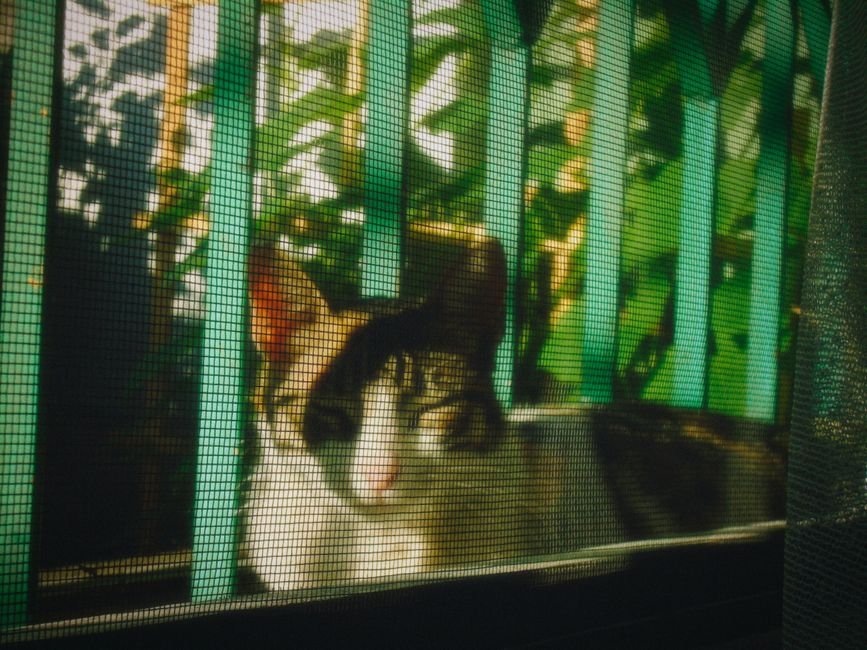
Cats have excellent balance but not perfect judgment, especially when chasing an insect or a bird past a railing. Any balcony above the ground floor needs a secured screen or mesh barrier that a cat cannot push loose, not just a railing with gaps. Cat-specific balcony netting, installed so there’s no way to squeeze through or climb over the top, is worth the cost even on a small patio.
Dogs are less likely to fall but more likely to jump for something on the other side of a railing, so the same screening logic applies if a balcony overlooks a street, parking area, or another unit’s space.
Plants are a quieter risk
Patios often collect potted plants that would never end up in an indoor room, and several common outdoor and balcony varieties are toxic to cats and dogs, including lilies, sago palm, oleander, and azalea. A pet that has access to a balcony should only have access to plants confirmed safe for its species, not “probably fine” ones. When in doubt, move a plant indoors out of reach or off the balcony entirely rather than guessing.
- Check every potted plant against a verified pet-safe list before it goes on the balcony
- Install cat-proof netting or mesh on any railing with gaps a cat could fit through
- Remove standing water in saucers or containers, which can attract mosquitoes and become a drowning risk for small pets
- Store fertilizer, pest spray, and citronella candles somewhere a pet can’t reach or knock over
- Provide shade and a water bowl if a pet has regular balcony access during warm weather
Heat is easy to underestimate on a patio because it feels like “outside,” but concrete and tile floors get considerably hotter than grass, and a small space with a glass or metal railing can trap heat like a greenhouse in direct sun. A pet left on a balcony for more than a few minutes in hot weather needs shade and water available the entire time, not just a bowl left out that happens to be there.
Cords and string lights strung along a railing for decoration are a chewing hazard for both cats and dogs, and cheap outdoor extension cords are not always rated for a pet that might bite through the insulation. Run any cords along the wall out of reach rather than across the floor.
Finally, treat the balcony door itself as part of the checklist. A screen door alone won’t stop a cat that’s determined to push through a gap, and a dog leaning on a sliding screen can pop it off its track. If a balcony is going to be a regular part of a pet’s routine rather than an occasional supervised visit, it’s worth confirming the space is secure with the door closed and the pet unsupervised for a few minutes before trusting it long-term.
If a pet ever eats a plant or chews something on a balcony and starts showing unusual symptoms, treat it the same as any other poisoning concern and call a vet or the ASPCA Animal Poison Control Center right away rather than waiting to see if it passes.