How to Stay Connected Abroad Without a Huge Roaming Bill
For most trips, the simplest route to avoiding roaming charges abroad is a travel eSIM or a local SIM card, both of which cost far less than your home carrier’s standard roaming rates. Carrier day passes are the easy option for short trips when you need your usual number to work exactly as it does at home. The expensive choice is doing nothing and letting your phone roam on default pricing.
Before comparing plans, check whether your phone is unlocked. A phone locked to your carrier can’t use another provider’s SIM or eSIM, and unlocking it can take days, so do it well before you leave. You’ll also want a phone that supports eSIM if you plan to go that route; most recent models do, but older and budget handsets may not.
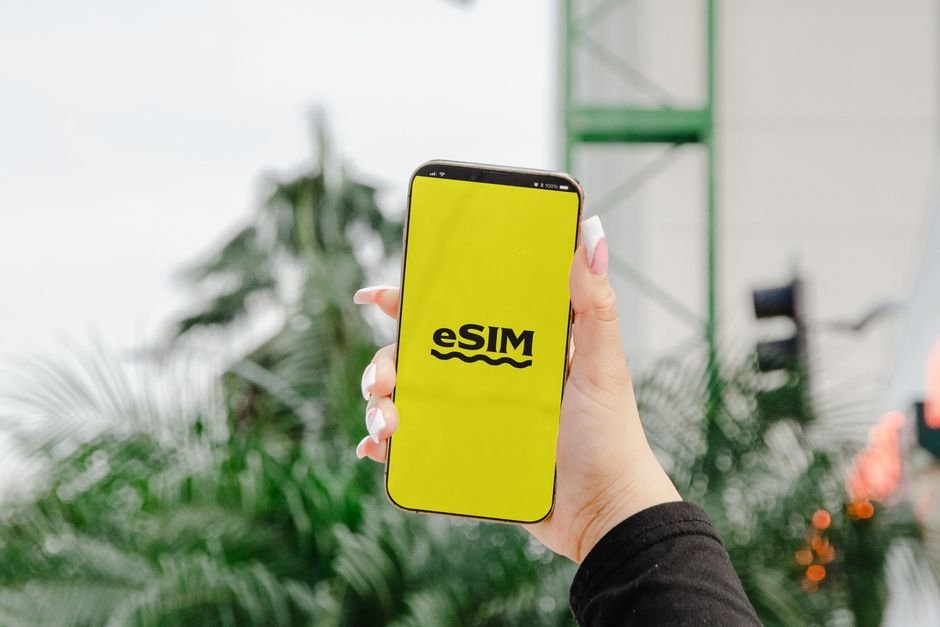
A travel eSIM is a data plan you buy online and install by scanning a QR code or through an app. You can set it up at home, and it switches on when you land. Because your regular SIM stays in the phone, you can keep receiving texts to your home number, which is useful for bank verification codes, while all your data runs through the cheaper plan. Most travel eSIMs are data-only, so calls go through messaging apps instead.
A local SIM from a shop or kiosk at your destination is often the cheapest per gigabyte, especially for stays of a few weeks or more, and it usually includes a local number. The trade-off is time: finding a store, showing ID where registration is required, and dealing with menus in another language.
Your home carrier’s day pass costs the most but asks the least of you. As of September 2026, day passes from major U.S. carriers commonly fall around $10 to $15 per day, while regional travel eSIMs often run roughly $5 to $25 for a week of moderate data. Prices vary widely by destination and provider, so treat those as a rough range and check current rates before you buy. Over a two-week trip, the gap between the two can easily reach well over a hundred dollars.
If your home SIM is from an EU country, rules may already cover you. Under the EU’s “roam like at home” policy, you can generally use your plan in other EU and EEA countries at domestic prices, subject to fair use limits. The EU’s official Your Europe portal explains the current rules.
Settings for avoiding roaming charges abroad
Whichever option you choose, a few settings protect you from surprise bills. Turn off data roaming on your home SIM before the plane lands, and set your new eSIM or local SIM as the line for mobile data. Switch off automatic app updates and cloud photo backups over mobile data, and let them run on hotel Wi-Fi instead. Download offline maps and translation packs before you go. If you’re taking a laptop or a tablet, check that nothing is quietly tethering through your phone.
Phone costs are one of several small drains that add up on a trip. The same attention helps with avoiding common currency exchange mistakes, and deciding your plan in advance fits naturally into the week-before checklist for international trips.
One caution: an unlocked phone and a switched-off roaming toggle do more to protect you than any plan you buy, so check both before you leave home.