
What Jet Lag Actually Does to Your Body, and What Helps
Jet lag happens when your internal body clock is still running on your home time zone while the sun, meals, and everyone around you run on a new one. Knowing what causes jet lag, which is a mismatch rather than simple tiredness, is the key to easing it, and the most effective steps start before you board.
Your body runs on a roughly 24-hour cycle called a circadian rhythm. A small cluster of cells in the brain acts as a master clock, and it uses light as its main signal for what time it is. That clock shapes when you feel sleepy, when you’re hungry, how alert you are, and even when your digestion is most active. Cross several time zones quickly and the clock can’t keep up. It shifts gradually, so for a few days your body is sending signals meant for a place you’ve left.
That’s why the symptoms go beyond feeling tired. You might lie awake at midnight and crash at 3 p.m., lose your appetite at dinner, feel foggy or irritable, or notice an upset stomach. The more time zones you cross, the longer it tends to last, and flying east is usually harder than flying west because most people find it easier to stay up later than to fall asleep earlier. The NHS guide to jet lag gives a clear overview of symptoms and how long they typically last.
What causes jet lag to hit harder, and how to get ahead of it
Because the clock moves slowly, you can give it a head start. In the few days before a long trip, shift your bedtime and wake time by an hour or so each day toward the new time zone. Heading east, go to bed and get up a little earlier; heading west, a little later. Even a partial shift means fewer hours to make up on arrival.
On the plane, set your watch or phone to the destination time and start living on it. Sleep if it’s night where you’re going, and try to stay awake if it’s daytime. Choosing a seat that suits your plan helps, which is part of the thinking in aisle vs window seat for a long flight. Drink water steadily, and go easy on alcohol, which fragments sleep, and on caffeine late in your new day.
After you land
Light is the strongest tool you have. Get outside in daylight at the right time: morning light generally helps after flying east, and late-afternoon light after flying west. Eat meals on local time, even if you’re not very hungry, since mealtimes also nudge the clock.
If you need a nap, keep it short and early in the afternoon so it doesn’t steal from your first real night. Resist the urge to sleep the moment you check in at 10 a.m.
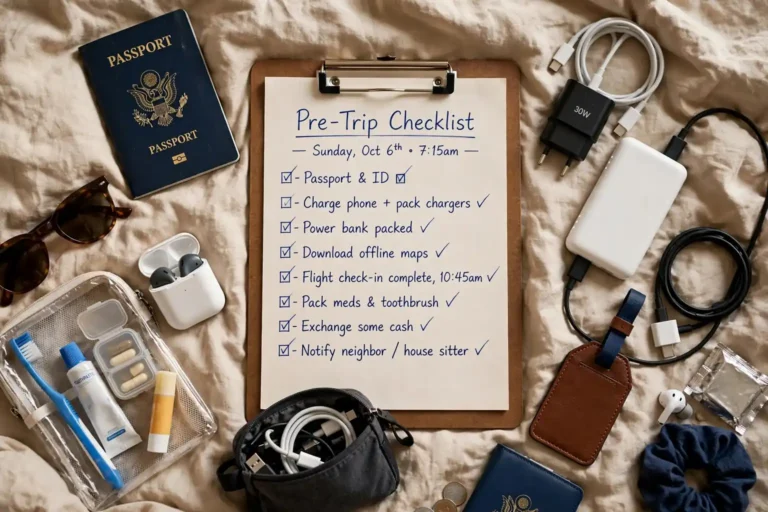
Plan your first day lightly if you can. Scheduling an important meeting or a long drive on arrival day is asking a lot from a brain still set to another continent. Building a buffer day into your week-before international trip checklist can make the rest of the trip easier.
If you take medication on a strict schedule or have a health condition affected by sleep, talk to your doctor or pharmacist before you travel about how to handle the time change.
What Jet Lag Does Inside Your Body
Jet lag is not just tiredness. It is a full body circadian desynchrony, a mismatch between your internal clock and the external time at your destination. Your body runs on roughly 24 hour cycles governing sleep, hunger, hormone release, body temperature, and cognitive performance. These rhythms are anchored by light exposure and take about one day per time zone to resynchronize. Cross eight zones and your gut thinks it is midnight while your destination serves breakfast. Every system that follows the clock is now wrong simultaneously.
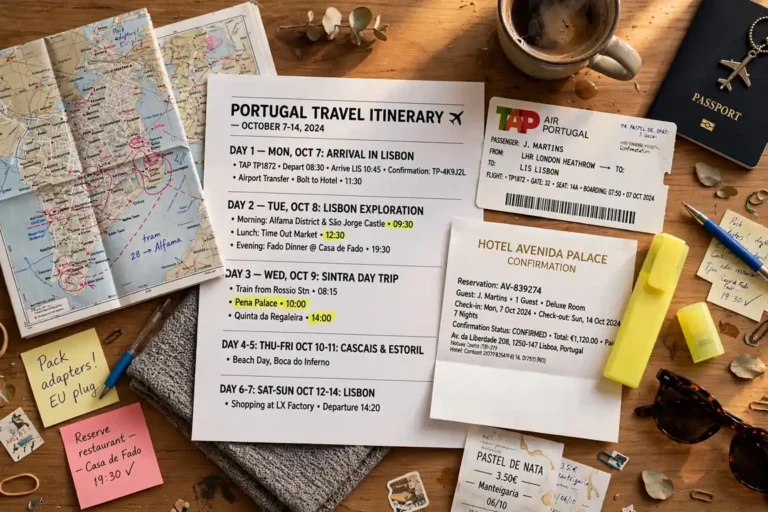
The symptoms follow from this. Daytime fatigue and nighttime insomnia are the obvious pair. But the desynchrony also disrupts digestion, causing the appetite loss, nausea, or urgent hunger at strange hours that travelers recognize. Cognitive effects include the mental fog, poor concentration, and irritability that make the first days of a trip feel wasted. Athletic performance drops measurably. Even mood regulation suffers, since the circadian system interacts with neurotransmitter cycles. Understanding that this is a physiological process, not a willpower failure, reframes the recovery strategy completely. Good trip planning, including building a complete itinerary, should account for these lost days rather than scheduling critical activities immediately on arrival.
East vs West: Why Direction Matters
Eastward travel is consistently harder than westward, and the reason is built into human biology. The human circadian clock runs slightly longer than 24 hours, averaging about 24.2 hours, which means delaying sleep (staying up later, as westward travel requires) comes more naturally than advancing it (going to bed earlier, as eastward demands). Most people adjust to westward travel at roughly 1.5 time zones per day but manage only about 1 zone per day eastward. An eight hour eastward jump can take over a week to fully resolve. Plan accordingly: give eastward trips more buffer days.
Pre Trip Strategies That Actually Work
The most effective jet lag intervention starts before departure. Three to four days before traveling east, shift your sleep and wake times earlier by an hour each day, and seek bright light in the morning. Before traveling west, shift later and seek evening light. This pre adaptation reduces the total desynchrony on arrival. It requires discipline and is easier for flexible schedules, but even partial shifting helps measurably.
Timed light exposure is the primary tool because light is the strongest circadian synchronizer. After eastward travel, morning light advances the clock. After westward travel, evening light delays it. The timing is precise and direction dependent: light at the wrong time pushes the clock the wrong way and worsens jet lag. General guidance is available, but the exact protocol depends on the number of zones and direction. When in doubt, get outdoor light during local daytime and avoid bright light during local night, which is directionally correct for most situations.
Melatonin: Useful but Misunderstood
Melatonin is a chronobiotic, a clock shifting agent, not a sleeping pill. Low doses, 0.5 to 3mg, taken at the target bedtime in the new zone help shift the rhythm. High doses are not more effective and increase side effects like grogginess and vivid dreams. Timing matters more than dose: taken at the wrong time, melatonin shifts the clock incorrectly. Consult a doctor before use, especially with other medications, since melatonin interacts with blood thinners, immunosuppressants, and diabetes drugs. It helps with the clock shift. It does not replace sleep hygiene.
On Arrival: The Recovery Protocol
Anchor to local time immediately and ruthlessly. Eat meals on local schedule even without appetite. Get outside in daylight. Stay awake until a reasonable local bedtime, even if that means pushing through a difficult afternoon. The temptation to nap on arrival is the biggest recovery killer. A short nap under thirty minutes is acceptable if truly necessary. A three hour afternoon sleep destroys the first night and cascades the desynchrony for days.
Exercise helps, timed appropriately. Morning exercise supports eastward adjustment. Evening exercise supports westward. Avoid vigorous exercise close to bedtime in either case. Caffeine is a tactical tool: useful for pushing through to local bedtime on day one, counterproductive if it delays sleep onset that night. Alcohol is consistently unhelpful despite its sedative reputation. It fragments sleep architecture and worsens dehydration from the flight. For managing the broader physical toll of travel, understanding travel fatigue beyond just the clock helps. More travel health guidance is at Factblaze.
Frequently Asked Questions
How long does jet lag last?
As a rule of thumb, one day per time zone crossed eastward, slightly faster westward. An eight hour eastward trip typically takes seven to nine days for full adjustment, though functional recovery, sleeping through the night and staying alert days, usually comes sooner. Age slows adaptation: older travelers take longer than younger ones.
Do stopovers help reduce jet lag?
Breaking a long journey with a stopover of a day or more can ease the transition by splitting the time zone shift into smaller steps. Whether it helps overall depends on the stopover timing and your ability to rest. A rushed overnight stopover with poor sleep may add fatigue without circadian benefit.
Is it better to sleep on the plane?
Sleep on the plane if it aligns with nighttime at your destination. If you are flying east overnight, sleeping helps you arrive closer to local rhythm. If the flight lands in the morning local time after a daytime departure, staying awake may serve you better. Match in flight sleep to destination night, not departure habit.
Can jet lag be avoided entirely?
Not for significant time zone crossings, but it can be minimized substantially. Pre trip schedule shifting, timed light exposure, strategic melatonin, and disciplined local time anchoring on arrival together reduce both severity and duration dramatically compared to doing nothing. Complete avoidance is not realistic. Halving the impact is.
Does business class reduce jet lag?
Better sleep on the plane helps with travel fatigue, which is distinct from but additive to jet lag. Arriving rested makes the circadian adjustment easier to manage, but the clock shift itself proceeds at the same biological rate regardless of cabin class. Lie flat seats help you feel human. They do not reset your suprachiasmatic nucleus faster.
Conclusion
Jet lag is circadian desynchrony, and recovery means resynchronizing: timed light exposure as the primary tool, pre trip schedule shifting when possible, low dose melatonin timed correctly, immediate local time anchoring, and protection of the first nights’ sleep. Eastward is harder than westward. Naps are the enemy of recovery. Treat the first days as adjustment time in your planning and the trip improves dramatically. For clinical guidance on circadian rhythm management, the Sleep Foundation publishes evidence based protocols for shift work and jet lag.