How to Tell If a Piece of Clothing Is Worth Repairing
Whether it’s worth repairing clothing comes down to one comparison: whether the fix costs less than half of what a comparable replacement would, and whether the garment still fits and suits you the way it did before the damage. Past that rough line, you’re usually paying to delay a purchase rather than saving money.
Is It Worth Repairing Clothing? Weigh the Real Replacement Cost
Compare the repair quote to what you’d pay for a similar-quality replacement, not the original retail price you paid years ago. A $15 resole on a pair of leather boots that cost $180 new is an easy yes. A $60 relining on a $70 fast-fashion coat is not, because you could likely replace the coat outright for close to the repair cost, and the replacement would come with fresh everything, not just one fixed part.
What Kind of Damage You’re Dealing With
Some damage is routine and cheap to fix well:
- A popped seam or hem, especially on natural fibers that hold stitching well.
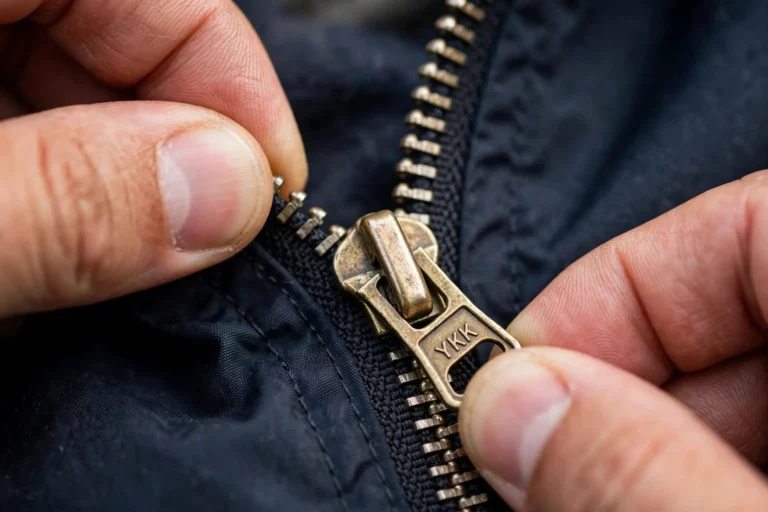
- A broken zipper on an otherwise sound garment — zippers are replaceable and rarely the reason to give up on a piece.
- A missing button, a small moth hole in wool, or a pilled surface that a sweater comb can address, similar to what’s covered in fixing sweater pilling.
Other damage is a harder call. A stretched-out knit rarely bounces back, no matter how it’s mended. A tear along a seam that’s already under stress, like the crotch of pants, tends to fail again nearby. And once elastic has gone slack throughout a whole garment rather than in one spot, replacing it is a full rebuild, not a repair.
Fit and Fiber Quality Decide the Rest
If the piece fit you well and you reached for it often before it broke, that’s worth more than the math suggests, because replacing a garment that worked doesn’t guarantee finding another one that fits the same way. Natural fibers like wool, cotton, and leather also tend to repair more invisibly than synthetics, which can be worth factoring in alongside cost.
There’s a bigger pattern behind this decision, too. Textiles make up a significant share of what ends up in landfills in the U.S. each year, and a lot of it is clothing that needed a small fix rather than a full replacement. Getting into the habit of checking with a tailor or cobbler before tossing something extends the life of pieces that were otherwise fine.
Rotating pieces properly between seasons also keeps small damage from becoming bigger damage, which ties back to some of the more common mistakes people make storing clothes — a moth hole caught early is a repair, caught late it’s often a loss.
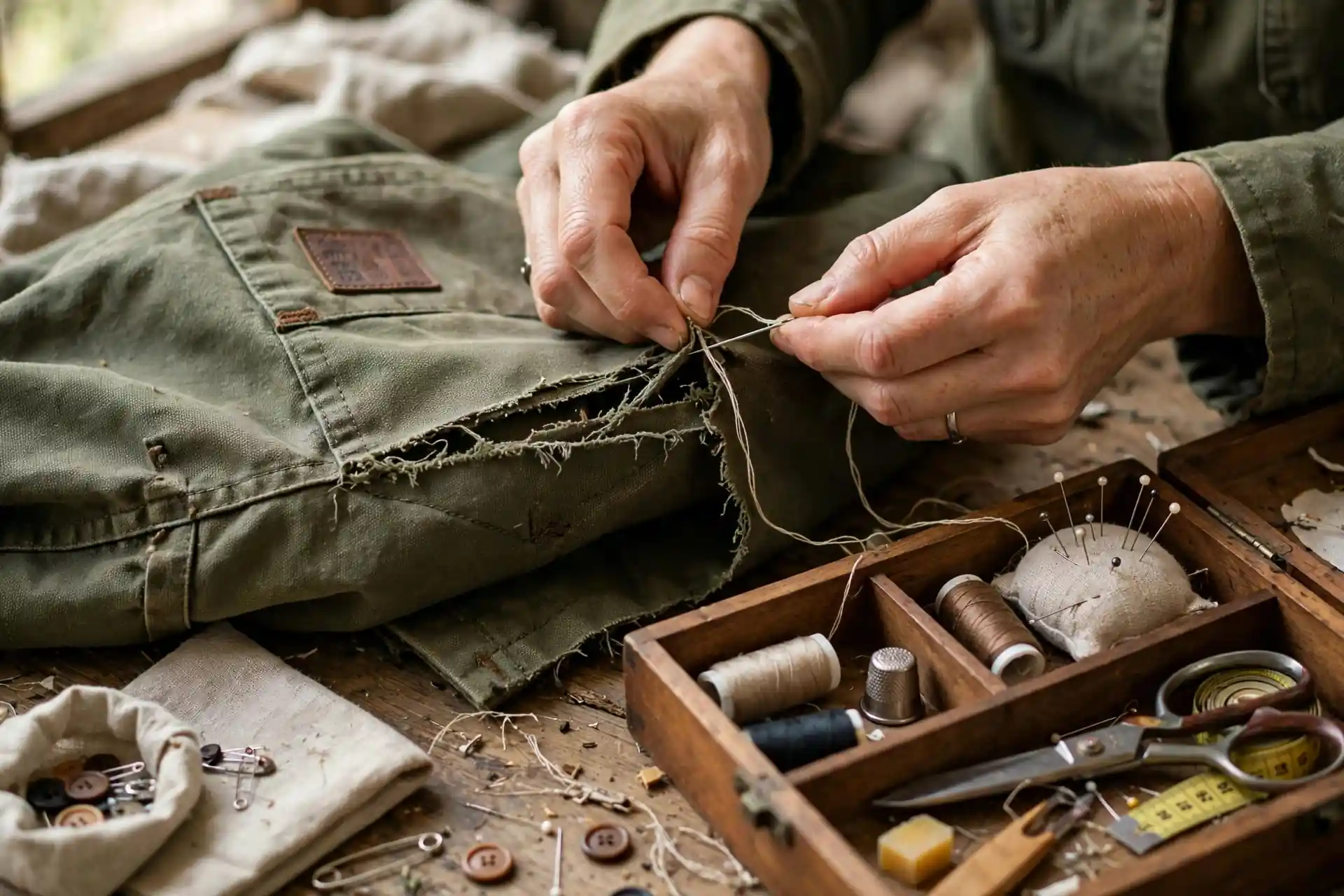
A loose button or a hem you can pin straight is worth doing yourself with a basic sewing kit. Anything involving a broken zipper, structural stitching, or leather usually turns out better, and lasts longer, in the hands of someone who repairs for a living rather than a first attempt with a glue gun.
When in doubt, get a real quote before deciding. Guessing at repair cost tends to overestimate it, and a five-minute conversation with a tailor is cheaper than either extreme.
The Real Math Behind Repair vs Replace
Deciding whether a garment deserves repair starts with honest arithmetic, but the numbers are only part of the story. A useful rule of thumb is the fifty percent rule. If a professional repair costs more than half the price of an equivalent replacement, replacement usually wins on pure economics. A twenty dollar hem on a thirty dollar fast fashion shirt rarely makes sense. That same twenty dollar hem on a two hundred dollar wool blazer is obviously worth it. The complication is that replacement cost should mean the cost of an equivalent garment in quality, not the cheapest thing you can find. Replacing a well made coat with a flimsy substitute is not a saving.
There is also the question of what economists call sunk cost versus what the rest of us call attachment. A jacket you have worn for eight years has delivered enormous cost per wear value already. Spending forty dollars to replace a zipper on it is not throwing good money after bad. It is extending the life of something proven. Fast fashion economics have trained people to treat clothing as disposable, but the math reverses for anything made well. A quality garment that fits you perfectly is genuinely hard to replace, and tailoring plus repair keeps it in rotation for years. If you are building a wardrobe that lasts, learning how to buy a coat that lasts a decade changes the repair equation entirely, because the upfront investment justifies ongoing maintenance.
Assessing the Garment’s Remaining Life
Before you price any repair, judge whether the rest of the garment has life left in it. Check the fabric at stress points: underarms, inner thighs, elbows, and collar edges. If the material is thinning across multiple areas, fixing one hole just buys a few months before the next failure. Hold the fabric up to light. If you can see through areas that should be opaque, the fibers are breaking down and no repair will reverse that. Seams are another tell. If stitching is popping in several places, the thread itself may be deteriorating, which means repairs will keep failing.
Fit matters as much as fabric. Bodies change, and a garment that no longer fits the way you want is a poor repair candidate regardless of its condition. Be honest about whether you actually wear it. The sweater that has sat unworn for two years because the style no longer suits you does not become worth repairing just because the moth hole is small. Repair the clothes you reach for constantly. Let go of the ones you do not.
Which Repairs Are Worth Paying For
Not all repairs are created equal, and knowing the typical price and durability of each helps you decide quickly. Hemming, taking in side seams, replacing buttons, and patching small holes are inexpensive and structurally straightforward. These almost always make sense on garments you like. Zipper replacement is the classic borderline case. It is labor intensive, often costing thirty to sixty dollars, but on a good jacket or pair of boots it is still far cheaper than replacement and restores full function.
Relining a jacket, rebuilding a collar, or recutting shoulders enters expensive territory. These are skilled operations that can run into triple digits. They make sense for high value garments: a quality leather jacket, a tailored suit, a designer coat. For everything else, the cost usually exceeds the value. Invisible mending, the technique where threads are rewoven to hide damage, is beautiful but pricey and best reserved for treasured pieces. A visible patch or sashiko style repair, by contrast, is cheap, durable, and currently fashionable, which makes it a smart choice for casual garments.
DIY Repairs Worth Learning
A handful of basic skills covers the majority of clothing failures. Sewing on a button, closing a small seam tear, hemming trousers by hand, and darning a sock are all learnable in an afternoon and handle the repairs that otherwise pile up unworn in closets. A basic sewing kit costs less than a single professional hem. Iron on patches and fabric glue handle quick fixes on casual wear and children’s clothing where invisibility does not matter. The threshold for calling a professional should be structural work, zippers, leather, and anything where a botched attempt would make things worse.
The Sustainability Angle
Beyond personal economics, repair has a genuine environmental case. Textile production is resource intensive, and extending a garment’s active life by even nine months meaningfully reduces its footprint. This does not mean every worn out shirt must be saved. It means the default should shift from automatic disposal to a quick assessment. The garments most worth repairing from a sustainability perspective are the resource heavy ones: denim, leather, wool outerwear, and anything with complex construction. A t shirt takes far fewer resources to produce than a winter coat, so the repair priority should follow that hierarchy.
There is also a middle path between repair and trash. Garments too worn to fix can become cleaning rags, quilt material, or textile recycling donations rather than landfill. Many municipalities and retailers now accept worn textiles for recycling. Knowing what makes fabrics behave the way they do can even help you understand why some garments wore out faster than others, which informs smarter purchases next time. The team at Factblaze has guides on evaluating fabric quality before you buy, which is really where the repair question starts.
Frequently Asked Questions
How much should a basic clothing repair cost?
Simple hems run ten to twenty five dollars, button replacement five to fifteen, and small seam repairs ten to twenty. Zipper replacement is the big jump, typically thirty to sixty dollars depending on the garment and zipper type. Prices vary by city, with metropolitan tailors charging more. Always get a quote before authorizing work, and be wary of shops that will not give one.
Can moth holes in wool be repaired invisibly?
Small moth holes in wool can be rewoven by a specialist in a process called invisible mending, but it is expensive, often twenty five dollars or more per hole. For larger damage or multiple holes, visible mending or patching is more practical. Preventing future damage matters more: store wool clean, use cedar or lavender, and check stored garments periodically.
Is it worth resoling shoes?
For quality shoes with Goodyear welted or stitched construction, resoling is absolutely worth it and can extend life by many years at a fraction of replacement cost. For cheap cemented shoes where the sole is glued on, resoling is often impossible or costs nearly as much as new shoes. Check the construction before deciding.
When should I repair versus tailor a garment?
Repair fixes damage and restores original function. Tailoring changes fit or style. A garment might need both: a vintage blazer could need a seam repair plus sleeve shortening. Budget for both together, since a tailor can often do the repair during the alteration for a lower combined price than two separate visits.
Do repairs hurt resale value for designer clothing?
Professional, invisible repairs generally preserve value, especially for functional fixes like zipper replacement. Visible alterations or amateur repairs can reduce resale value. Keep receipts from reputable tailors if you plan to resell, and disclose any repairs honestly to buyers.
Conclusion
The repair question is simpler than it feels once you separate emotion from assessment. Check the garment’s overall condition, compare repair cost against equivalent replacement, and be honest about whether you will actually wear it. Quality pieces that fit well almost always deserve repair. Disposable fast fashion rarely does. Building basic mending skills and a relationship with a good local tailor shifts the economics further in repair’s favor over time. In a throwaway clothing culture, the person who repairs is not just saving money. They are opting out of a cycle that was never designed in their interest. The U.S. Environmental Protection Agency’s textiles recycling facts put the scale of clothing waste in sobering perspective for anyone weighing the decision.
Related Articles
- Common Mistakes People Make Buying Vintage Clothing
- How to Tell If a Fabric Blend Will Breathe
- How to Tell If a Zipper Will Hold Up
More fashion and fabric guides
- What “Dry Clean Only” Means, and When You Can Ignore It
- Sustainable Fashion Brands
- Build a Capsule Wardrobe With Five Hard-Working Pieces
- Summer Outfit Ideas
- Wool vs Cotton for Everyday Wear
- How to Tell If Fabric Will Wrinkle Before You Buy
- Capsule Wardrobe Essentials
- Common Mistakes Buying Clothes Online
- How to Tell Real Leather From Faux at a Glance
- Common Mistakes Keeping a White T-Shirt White
- What Makes a Winter Boot Warm Enough
- Common Mistakes Sizing Yourself for Online Orders
- What Makes a Button-Down Shirt Fit Well at the Collar
- Affordable quiet luxury brands
- How to Style Baggy Jeans