What a Cat’s Purring Actually Communicates
A purring cat isn’t necessarily a happy cat, and treating purring as a simple contentment signal means missing real distress. Cats purr when they’re relaxed on a lap, but they also purr while injured, in labor, and even while dying — what does cat purring mean depends entirely on the rest of the body language around it.
What Does Cat Purring Mean in Different Situations
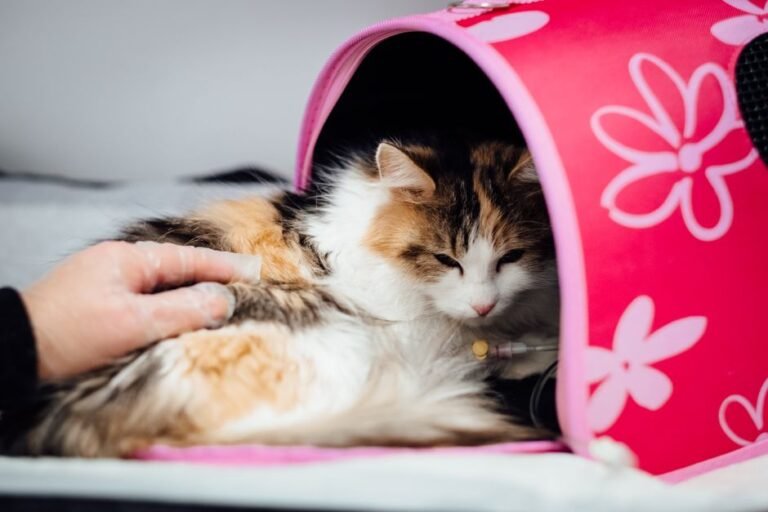
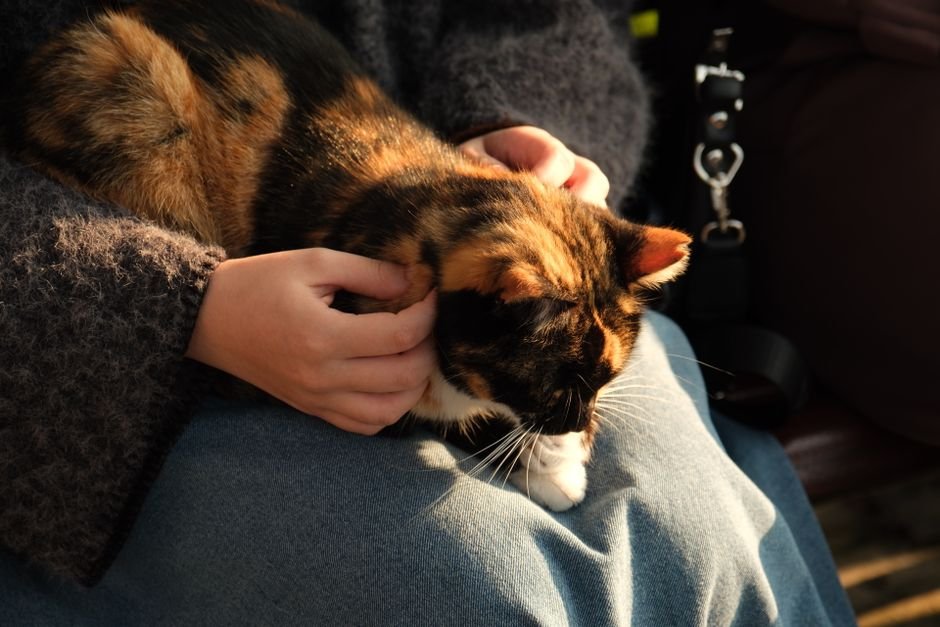
The clearest read comes from combining purring with everything else the cat is doing. A cat purring with half-closed eyes, a loose body, and slow blinks is genuinely relaxed. A cat purring while tensed up, crouched low, or pulling away from touch is usually self-soothing through something uncomfortable, not enjoying it. The sound itself doesn’t change much between the two states, which is exactly why context matters more than the purr alone.
Why Cats Purr When They’re Hurt
Purring sits in a low frequency range that some researchers link to tissue and bone repair, which may explain why injured or recovering cats purr more, not less. It’s plausible purring works as a low-cost way for an animal to soothe itself during stress, similar to how a person might hum or rock. That’s a reasonable theory, not a settled fact, but it fits what most cat owners eventually notice: a purring cat at the vet’s office is very often a stressed cat, not a relaxed one.
Kittens purr almost from birth, often while nursing, which suggests the earliest function of purring is bonding and reassurance between kitten and mother rather than pleasure on its own.
Reading the Rest of the Cat
Tail position tells you more than the purr does in ambiguous situations. A relaxed, slightly curved tail alongside purring usually confirms contentment, while a tucked or thrashing tail alongside purring is a much stronger sign of stress. It’s worth learning to read a cat’s tail position as a second data point rather than relying on sound alone.
If a cat is purring constantly, seems withdrawn, or is purring alongside other changes like reduced appetite or hiding, that combination is worth a vet visit rather than an assumption that everything is fine. Stress shows up in other places too — a cat under strain will often avoid the litter box or change how it uses one, which is worth checking alongside any change in purring. Purring is a cat’s most flexible tool, not a single-purpose one, and the Cornell Feline Health Center is a good source if you want to go deeper on feline behavior generally. The next time a cat purrs on your lap, it’s worth a quick glance at the rest of the body before assuming it’s a compliment.