Choosing Between a Guided Tour and Independent Travel
The choice between guided tour vs independent travel comes down to what you want to spend: money or effort. A tour trades a higher price for someone else handling transport, timing, and problems; independent travel keeps costs flexible but puts every decision on you.
Neither is the smarter option in general. The better one depends on the destination, how long you have, and how much planning you enjoy.
Guided tour vs independent travel: what a tour buys you
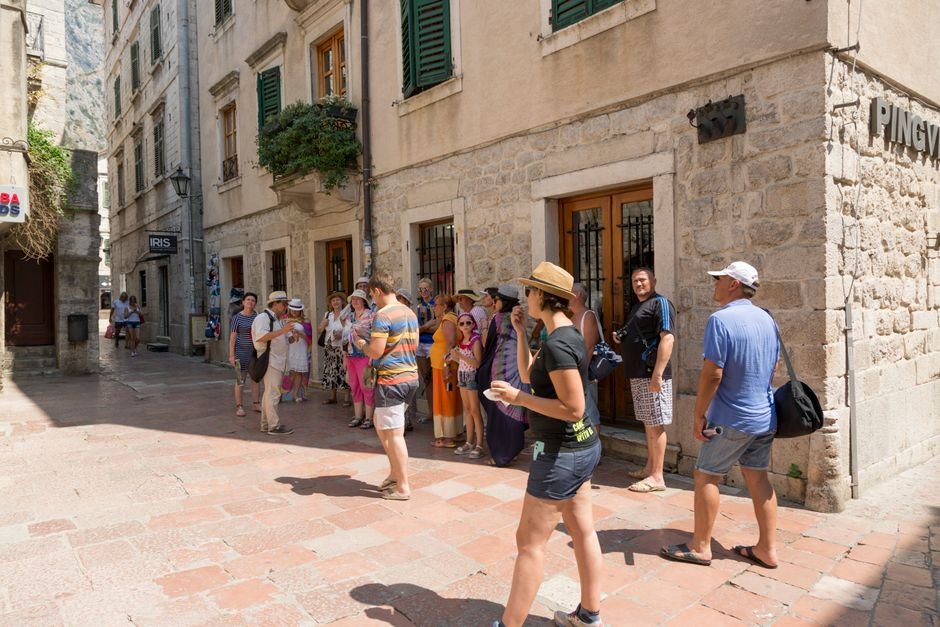
The itinerary is the obvious part, but it’s rarely the most valuable. What you’re paying for is mostly logistics you never see: hotel transfers that are already arranged, entry tickets bought in advance, a driver who knows where to park, and a person whose job is to fix things when a museum closes unexpectedly or a train is cancelled.
A good guide also adds context. Walking past a building is different from hearing why it was built and what happened there. In places where signage is sparse or in a language you don’t read, that commentary can be the difference between seeing something and understanding it.
There’s a protection angle too. Many multi-day tours are sold as package holidays, which can come with legal protections that separately booked flights and hotels don’t. If you’re booking within Europe, the EU’s official package travel rights page explains what a package covers and what the organiser owes you if things go wrong.
The costs are less obvious than the price tag. You move at the group’s pace, eat where the schedule says, and often spend time at shops the operator has a relationship with. Free time tends to be shorter than the brochure suggests, so read the day-by-day plan rather than the highlights.
What independent travel buys you
Flexibility is the headline. You can stay longer somewhere you love, leave early somewhere you don’t, and change plans because of the weather or a tip from a local. You also choose your own budget level for every night and every meal, which usually makes independent travel cheaper for the same destination.
The trade-off is that you are the logistics department. You book every transfer, research every opening time, and solve every problem, often while tired and in an unfamiliar place. That work is part of the fun for some people and a drain for others. Be honest with yourself about which group you’re in.
You also carry the risk alone. If a flight is cancelled and knocks out your next three bookings, nobody rebooks them for you. That’s where understanding how travel insurance works matters more, because a policy may be your only backstop.
A middle path works well for many travelers. Book independently but add a few guided day trips for places that are hard to reach or reward expert context, such as archaeological sites or wildlife areas. You keep control of the trip and pay for help only where it earns its cost.
Whichever way you go, the paperwork is still yours. A tour operator won’t check your passport validity or entry documents for you, so run through a checklist for the week before an international trip either way.
If you can’t decide, look at the hardest day of the trip. If that day involves remote transport, tight timing, or a language barrier, a tour probably pays for itself.