Introducing a Cat to Your Dog: Mistakes to Avoid
Most disastrous cat-and-dog introductions don’t happen because the animals hate each other. They happen because the introduction moved faster than either animal was ready for, skipping the slow, boring stages that actually make it work.
Skipping the Scent-Swap Stage
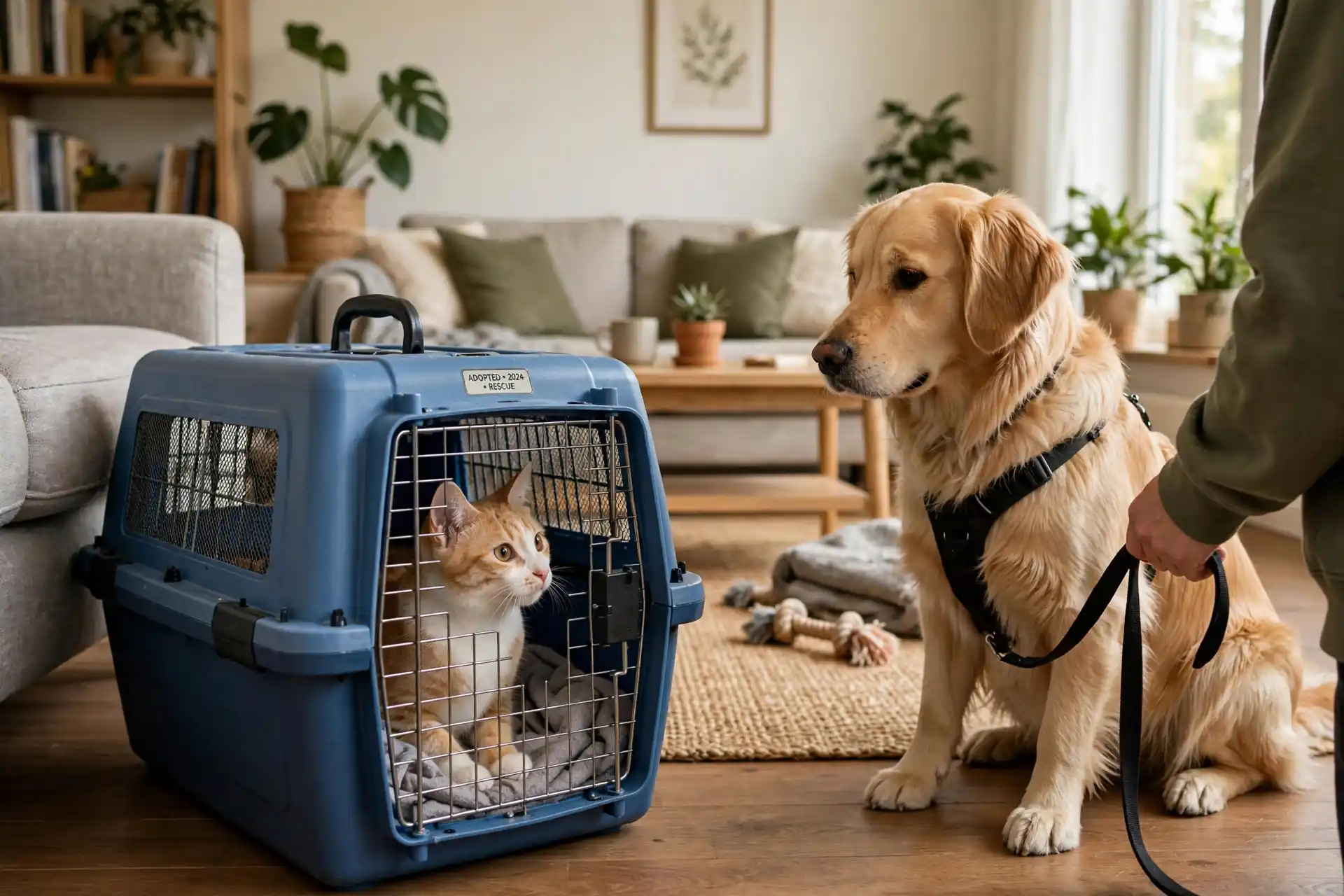
Before the animals ever see each other, they should smell each other. Swapping bedding between rooms, or letting the new cat explore the house while the dog is elsewhere and vice versa, lets both animals get used to a new smell before it’s attached to a moving, unpredictable creature. Going straight to a face-to-face meeting on day one removes a step that does real work in lowering both animals’ stress.
Forcing a Face-to-Face Meeting
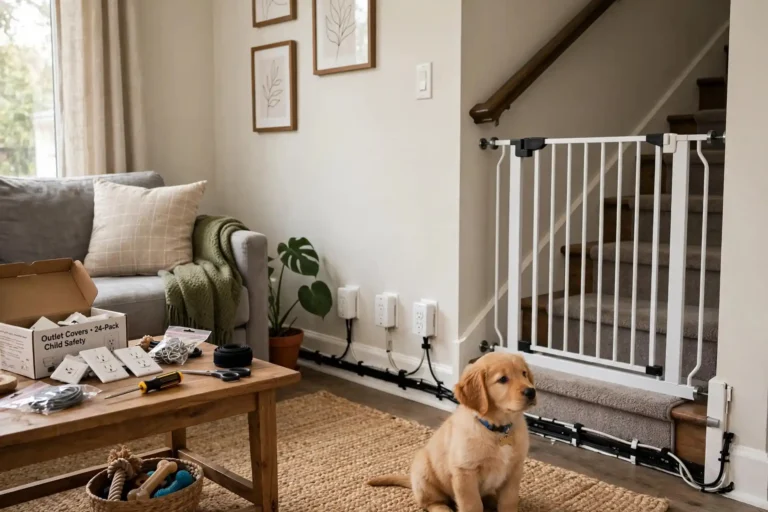
Holding a cat up to a dog, or letting a dog rush a cat’s hiding spot to “get it over with,” almost always backfires. Cats need an escape route available at all times during early introductions — a baby gate, a cracked door, high furniture — so that the interaction is happening on the cat’s terms rather than being forced. A dog that’s dragged closer than it or the cat is comfortable with learns that the cat is a source of tension rather than a neutral presence.
Ignoring the Warning Signs Both Animals Give
A cat’s flattened ears, puffed tail, or low growl and a dog’s stiff body or fixed stare are both signals to slow down, not signs to push through. Introductions that succeed are the ones where a person is watching both animals closely and separating them calmly the moment either one looks tense, well before anything escalates into a chase or a swipe. That means someone needs to be in the room for every early interaction — a good introduction isn’t something you can supervise from another part of the house.
Rushing Because the First Meeting Went Well
A calm first encounter doesn’t mean the animals are fully comfortable with each other yet. Many households make the mistake of removing the baby gate or leaving the animals unsupervised together after just one or two good sessions, when several weeks of short, supervised interactions is a more reliable timeline for a lasting truce. Keep meals, beds, and litter boxes in separate, dog-free zones throughout this period regardless of how the introductions are going.
Punishing Growls or Hisses Instead of Managing the Setup
A growl or a hiss is information, not misbehavior — it’s the animal telling you it needs more space or a slower pace. Scolding an animal for showing that warning doesn’t remove the underlying stress; it just teaches the animal to stop warning before it acts, which makes future interactions less predictable, not safer. If either animal shows ongoing aggression rather than gradual improvement, a certified animal behaviorist or your veterinarian can help build a structured plan — this is a common enough situation that most vets have a referral ready, and organizations like the ASPCA publish detailed guidance on pacing an introduction correctly.
The households that get this right treat the introduction as a project measured in weeks, not an event measured in minutes. Slow is what makes it stick.
Bringing a new cat into a home with a resident dog can go beautifully or badly, and the difference is almost always the introduction process. The mistakes people make follow a familiar pattern: rushing, skipping steps, and interpreting early calm as lasting peace. Cats and dogs can absolutely share a home, but the first two weeks set the tone for years.
The rushing mistake
The single most common error is the immediate face-to-face meeting. The new cat comes home, the dog rushes over to investigate, and the introduction happens at full intensity with no preparation. Even friendly dogs can overwhelm a cat this way, and a terrified cat’s reaction can trigger a dog’s chase instinct in seconds.
Why slow introductions work
Cats map territory through scent before they trust it. A proper introduction gives the cat days to learn the home’s smells, sounds, and layout from a safe base camp, usually one room, before ever seeing the dog. During this time the animals swap scents through bedding, closed doors, and site swapping, where each animal explores the other’s space while the other is elsewhere. This builds familiarity without confrontation. The ASPCA’s behavior resources describe this staged approach as the standard recommended method.
How long slow really means
Longer than most people expect. A week of separation is a minimum; two weeks is common, and some pairs need a month. The timeline is set by the animals’ behavior, not the calendar. Moving to the next stage only when both animals are calm at the current one is the entire method. Rushing to save time usually costs far more time when you have to restart after a bad encounter.
Management mistakes during introductions
Even people who separate initially often make errors in how they manage the process.
Unsupervised access too early
Leaving the new cat and dog alone together before they have a solid history of calm supervised interactions is gambling. Most serious incidents happen during unsupervised moments in the first month. Supervision means active watching, not being in the same house while looking at your phone. Baby gates, closed doors, and crates are management tools, not punishments. Our guide to dog body language warning signs helps you read whether supervised sessions are actually going well or just look quiet.
Feeding them together
Food raises the stakes of every interaction. Feeding a new cat near a dog, or vice versa, combines novelty stress with resource competition. Feed on opposite sides of a closed door at first, gradually decreasing distance only as comfort grows. Separate permanent feeding stations prevent guarding issues from developing later too.
Forcing proximity
Holding the cat while the dog sniffs, or restraining the dog while the cat walks past, removes both animals’ sense of control. Animals that can retreat feel safer and behave better. Let the cat choose when to approach, and give the dog structured alternatives like a stuffed Kong during early sessions so calm behavior gets rewarded.
Reading the animals wrong
Misinterpretation causes as many problems as rushing.
Mistaking freezing for calm
A cat sitting very still while a dog approaches is often not relaxed but frozen in fear. True calm looks loose: slow blinks, normal posture, willingness to eat or groom. Learn the difference before you trust a session. Similarly, a dog’s intense staring at the cat is not curiosity to be encouraged; it is fixation that needs interrupting and redirecting.
Assuming the resident dog’s friendliness transfers
A dog that loves other dogs may still chase cats. Prey drive is separate from sociability, and small fast-moving animals trigger it in many breeds regardless of temperament. Never assume; test gradually with full management in place. Breeds with strong chase instincts need longer, more careful introductions and may never be safe unsupervised with a cat.
Ignoring the cat’s stress signals
Hiding, not eating, over-grooming, and litter box avoidance are stress responses, not the cat being difficult. A cat that will not leave its safe room after two weeks is telling you the process needs slowing down, not that the cat is broken. Patience here prevents chronic stress that can cause lasting health and behavior problems. If your household also includes an older dog, our article on senior dog aging signs explains how age changes a dog’s tolerance for household disruption.
The environment mistakes
The physical setup either supports the introduction or sabotages it.
No vertical space for the cat
Cats cope with stress by going up. A home with no cat trees, shelves, or high perches leaves the cat with only floor-level options, which is the dog’s territory. Vertical escape routes change the dynamic completely: the cat can observe the dog from safety and choose when to engage.
Single resource locations
One litter box, one water bowl, one feeding spot forces the animals into proximity before they are ready. Multiple stations in different areas let both animals meet their needs without confrontation. The general rule is one litter box per cat plus one extra, placed where the dog cannot corner the cat using it.
Frequently Asked Questions
How long does it take to introduce a cat to a dog?
Typically two to four weeks for the staged process, sometimes longer. The animals set the pace: each stage lasts until both are consistently calm before moving on. Rushing and having to restart takes longer than doing it slowly once.
Can any dog learn to live with a cat?
Most can with proper introduction, but not all. Dogs with intense prey drive, a history of killing small animals, or severe reactivity may never be safe with cats unsupervised. An honest assessment by a professional trainer is worthwhile if you have doubts about your specific dog.
Should the dog or cat be introduced first to a new home?
If you are moving with both, set up the cat’s safe room first and let the cat settle before giving the dog full access. The cat’s smaller territory needs to feel secure before the larger animal’s presence expands into shared spaces.
What are signs the introduction is working?
Both animals eating normally, the cat exploring beyond its safe room voluntarily, relaxed body language during supervised sessions, and eventually calm indifference. Indifference is the goal: you want boring coexistence, not friendship necessarily.
When should I get professional help?
If either animal shows sustained fear or aggression after several weeks of proper staged introduction, if there has been any injurious incident, or if you are unsure how to read what you are seeing. A certified animal behaviorist can assess the specific dynamics far better than generic advice.
Conclusion
Successful cat-dog introductions are boring by design: separate spaces, scent swapping, short controlled meetings, and weeks of patience. The mistakes that ruin them, rushing, forced contact, unsupervised access, misread signals, all come from impatience rather than bad intent. Give both animals time, control, and escape routes, and most pairs settle into peaceful coexistence. Some even become friends, but peaceful roommates is a complete victory. For more practical pet and everyday guides, visit the Factblaze homepage.