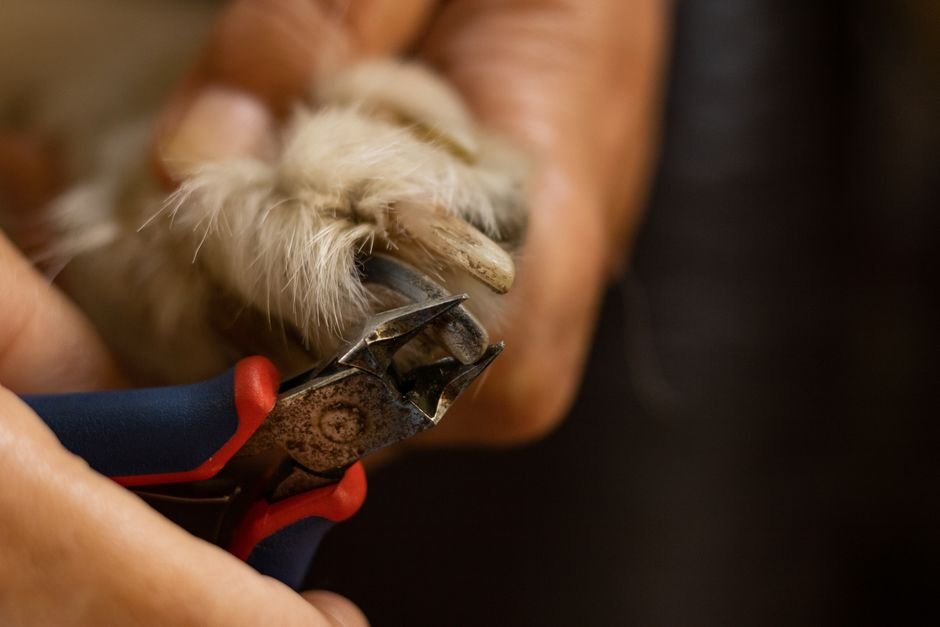
Common Mistakes People Make Trimming a Dog’s Nails at Home
Most people trimming a dog’s nails at home make the same mistake: they cut too much off in one pass, aiming for a length that looks right instead of stopping well short of the quick. The quick is the blood vessel running through the center of the nail, and cutting into it hurts the dog and bleeds, which is exactly what turns a five-minute task into a fight every time you reach for the clippers.
Where People Go Wrong
On light-colored nails, the quick is visible as a pink streak, and the safe cut is just before it. On dark nails, where the quick isn’t visible, the better approach is trimming a small amount at a time and checking the cut cross-section — once you see a grayish-pink oval appear in the center, stop. Cutting at a steep angle instead of straight across also increases the risk of catching the quick, since the blade travels further into the nail before the cut completes.
Handling and Timing Mistakes
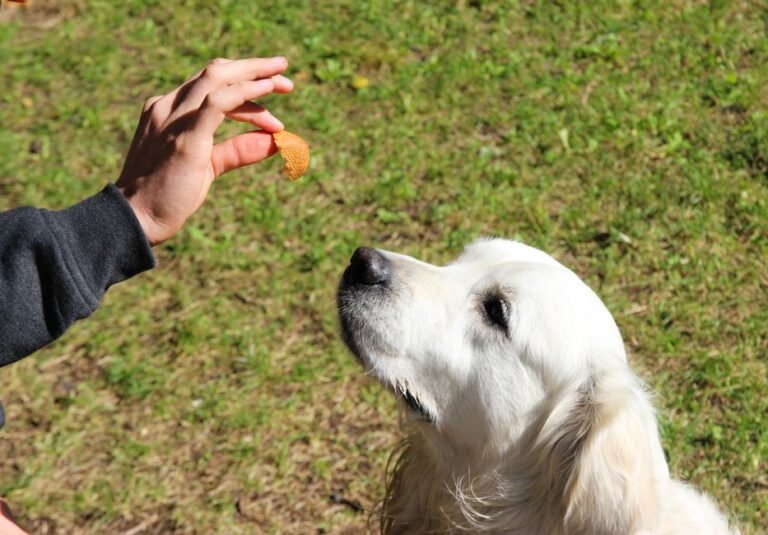
Trying to trim all four paws in one sitting on a dog that’s never been handled this way is another common misstep — short sessions, even just one or two nails at a time, build tolerance faster than a single long struggle. Restraining a squirming dog tightly tends to make things worse, since the dog associates the whole process with being pinned down rather than something routine. Going in without treats or a calm setup skips the easiest tool available: pairing nail handling with something the dog wants, the same approach covered in our guide to positive reinforcement training, makes repeat sessions noticeably easier.
If You Cut the Quick
It happens even to experienced owners. Apply styptic powder (or, in a pinch, plain flour or cornstarch) with firm pressure for about a minute to stop the bleeding, and keep the dog calm and still while it clots. A nail that keeps bleeding, or a dog that’s limping or unusually distressed afterward, needs a call to your vet rather than more home fixes. Keep styptic powder on hand before you start trimming, not as an afterthought you go searching for once bleeding has already started — that gap is usually what turns a small nick into a stressful few minutes for both of you.
Tools Worth Getting Right
A dull clipper crushes the nail instead of cutting cleanly through it, which hurts more than a sharp, well-maintained pair and makes a dog more likely to pull away next time. Guillotine-style clippers work well on smaller nails, while scissor-style clippers tend to handle thicker nails more predictably; a grinder is an alternative worth trying for a dog that tolerates the sound, since it removes small amounts gradually and rarely catches the quick by surprise. Whichever tool you choose, replace it once it starts crushing rather than cutting cleanly — that’s usually the point where trims start going wrong.
If your dog fights nail trims no matter how careful you are, a groomer or vet tech can usually do it in under a minute and show you their handling technique up close. The American Kennel Club’s health and grooming resources cover trimming tools and technique in more detail if you want to keep working on it at home.
Overgrown nails cause more problems than most owners realize, from altered gait to cracked nails that snag on carpet, so skipping trims isn’t really the safer option either — it just trades one risk for a bigger one later.