
A Checklist for a First Vet Visit With a New Pet
A first vet visit goes smoothest when you show up with your pet’s history, a list of questions, and the pet itself secured safely for the trip — sounds obvious, but it’s the detail people forget under time pressure that causes the most delay once you’re in the exam room. Here’s what to have ready so nothing gets missed.
Before You Leave the House
Bring any prior medical records if your pet has seen another vet, including vaccination history, and a list of any medications or supplements currently in use. Write down your pet’s normal eating, drinking, and bathroom habits beforehand — it’s easy to blank on these details when a vet asks in the moment. If you adopted from a shelter or rescue, bring their paperwork too, since it often includes vaccination and deworming dates the new clinic will want on file.
Getting There Safely
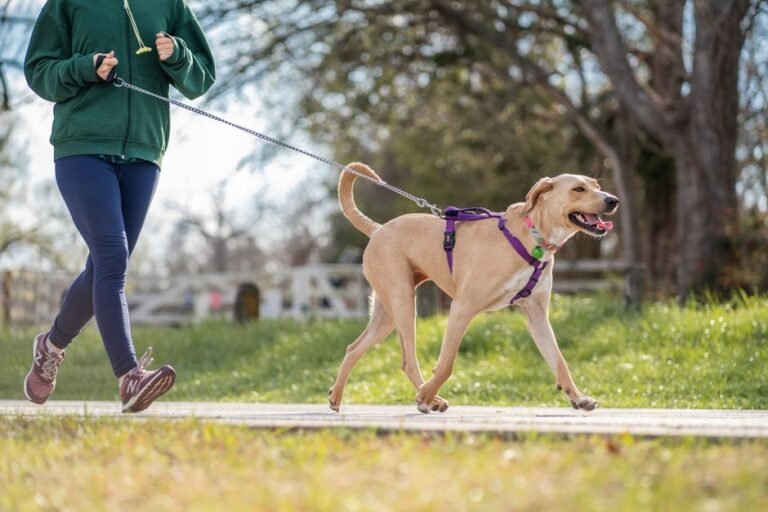
Cats and small dogs should travel in a secure carrier, not loose in the car or carried in arms through a parking lot next to unfamiliar dogs. Larger dogs need a well-fitted leash and collar or harness — this is not the visit to test out new gear for the first time, since an anxious pet is more likely to slip out of something unfamiliar. If your pet gets carsick or panics in the car, ask the clinic in advance about options; some will let you wait in the car until it’s your turn. A blanket or towel with a familiar smell in the carrier can also take the edge off a first ride for a nervous animal.
What Actually Happens in the Room
Expect the visit to run longer than a routine follow-up later on, since a first exam usually covers the full body, a weight and body condition check, a look at teeth and ears, and a conversation about diet, exercise, and any behavior questions you bring up. The vet or a technician will likely ask about your pet’s background — where they came from, any known health history, and how they’ve been eating and behaving since you brought them home. Answering honestly, including about things that feel minor, gives the vet a more complete picture than waiting to see if a small issue turns into a bigger one.
Questions Worth Asking
- What vaccinations and preventive care does my pet need now, and on what schedule going forward?
- What’s a normal weight and body condition for this breed and age?
- Are there breed-specific or age-specific health issues I should watch for?
- What symptoms should send me back in sooner rather than waiting?
- How do I reach the clinic after hours if something comes up?
Expect a full physical exam, a discussion of diet and exercise, and likely a vaccination or two depending on your pet’s age and history. If you’re settling a new puppy in alongside this first visit, our guides on puppy-proofing a home and setting up a calm first night cover the rest of the adjustment period. The ASPCA’s general pet care resources are a reasonable place to read more before the appointment.
One thing worth doing regardless of species: ask the clinic what a routine visit costs versus what to expect for common follow-ups, so a second appointment isn’t a financial surprise.