How to Tell If a Senior Dog’s Slower Pace Is Normal Aging
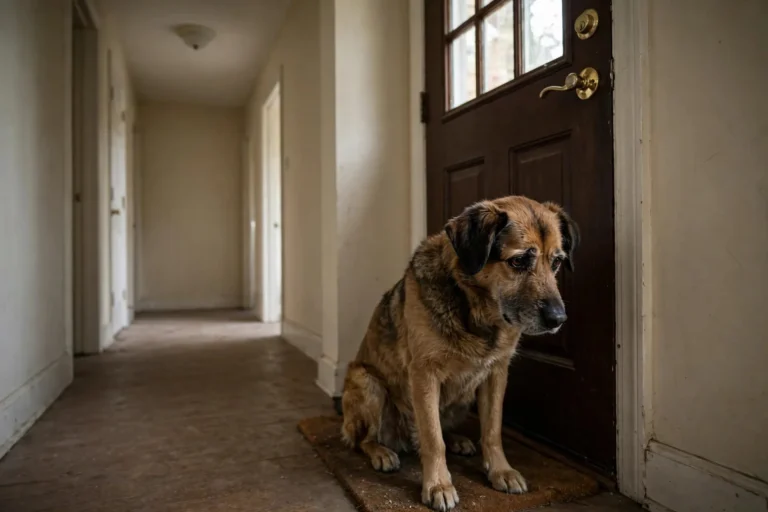
Some slowing down is a normal part of getting older. Most senior dogs walk more slowly, sleep more, and take a moment longer to get up, but a sudden change, obvious discomfort, or losing interest in things they still love is a reason to see your vet rather than put it down to age.
The trouble is that the line between a senior dog slowing down, normal aging, and something treatable is blurry from the couch. A few patterns make it clearer.
Senior Dog Slowing Down: Normal Aging Looks Like This
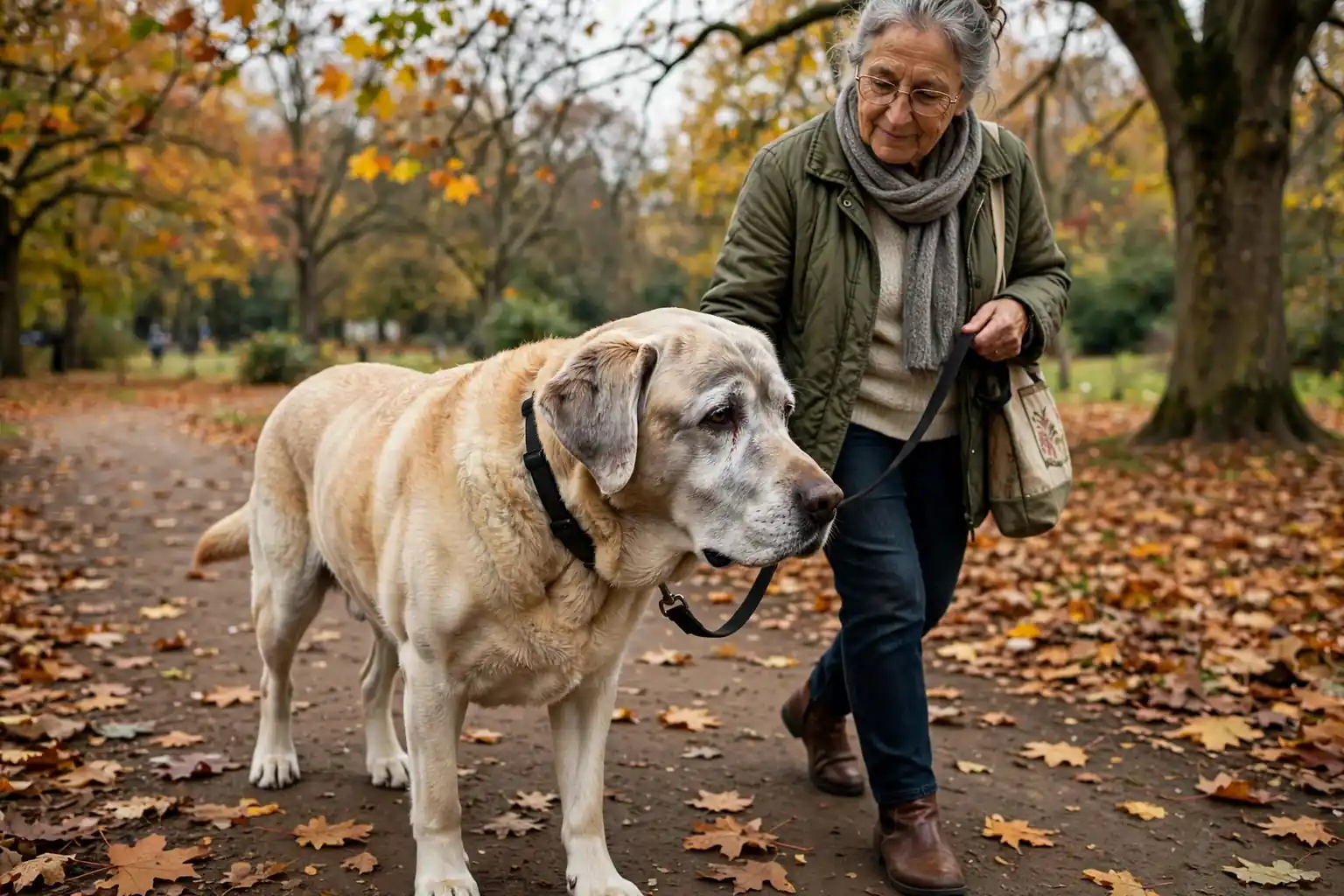
A dog who is aging comfortably still wants the same things, just in smaller doses. Walks get shorter and more sniff-heavy. Naps get longer and deeper, so your dog may not hear you come home the way they used to. Recovery after a big day takes longer. The muzzle greys, the coat may thin a little, and weight can drift as activity changes.
The common thread is that the change is gradual and your dog still seems like themselves. They greet you, eat with interest, and look for the leash, even if the walk that follows is slower.
Senses fade too. Cloudy-looking eyes and slower responses to your voice are common, and a dog who startles when touched while asleep may simply not have heard you coming. Approach where they can see you, and mention these changes at the next checkup.
You can make this stage easier. Shorter, more frequent walks often suit an older dog better than one long one. Rugs on slick floors help with footing, and a supportive bed matters more now; what makes a dog bed worth the cost covers what to look for. Gentle mental work like sniffing games and food puzzles keeps a slower dog engaged, and what enrichment toys do for a bored dog has ideas that don’t depend on speed.
When a slower pace is worth a vet visit
Pain in dogs is often subtle, and many owners are surprised by how much a stiff, “lazy” dog perks up once a vet has found and managed the cause. Book an appointment if you notice:
- Stiffness that’s worse after rest, limping, or reluctance to jump, climb stairs, or get into the car
- Panting or pacing at night, or trouble settling
- Changes in appetite, thirst, or weight without an obvious reason
- Confusion, getting stuck in corners, or a flipped sleep-wake pattern
- New or changing lumps
- Flinching or snapping when touched in a particular spot
Some signs can’t wait for a routine visit. Collapse, sudden weakness in the back legs, trouble breathing, pale gums, a swollen belly, or repeated retching without bringing anything up are emergencies. Go to a vet or emergency clinic immediately.
Many vets suggest checkups every six months for senior dogs, because changes build faster at this age and bloodwork can catch problems before they show. The Cornell Riney Canine Health Center publishes reliable owner information on aging and common conditions if you want to read further.
In the meantime, don’t reach into your own medicine cabinet. Several common human painkillers are dangerous for dogs, and only your vet should decide what’s safe for yours.
Slower is fine. Different is worth a phone call.
Your senior dog is slower on walks, sleeps more, and hesitates at the stairs. The question every owner of an aging dog faces is whether this is normal aging or something that needs attention. The honest answer is that it is often both: aging is real, and aging dogs also develop treatable conditions that look like aging. Telling them apart is one of the most useful skills a senior dog owner can build.
What normal aging looks like
Dogs age faster than humans, and the changes are gradual enough that owners often do not notice until they compare across months.
The typical timeline
Large breeds are seniors by 6 or 7, medium breeds by 8 or 9, small breeds by 10 or later. Normal aging includes graying muzzle, slower movement, longer naps, reduced stamina, and less interest in intense play. These changes arrive gradually over months, not overnight. A dog that has been slowing steadily for a year is probably aging. A dog that was fine last week and can barely walk today is probably not.
Behavioral shifts
Older dogs often become more affectionate, more routine-bound, and less tolerant of disruption. Some develop mild cognitive changes: staring at walls, getting stuck in corners, altered sleep cycles. These are the canine equivalent of senior moments. They warrant monitoring and vet discussion but are not emergencies on their own. The American Kennel Club’s senior dog care guide outlines the normal aging baseline well.
When slowing down is not just age
Many conditions common in older dogs mimic aging, and several are very treatable.
Arthritis and joint pain
The most common masquerader. Arthritis causes stiffness, reluctance on stairs, difficulty rising, and reduced activity, all easily mistaken for generic old age. Unlike aging itself, arthritis pain responds to treatment: weight management, joint supplements, pain medication, physical therapy, and environmental changes like ramps and orthopedic beds. If your dog is stiff after rest but loosens with gentle movement, think joints before age. Our guide to dog body language signals helps you spot the subtle pain indicators dogs hide.
Hypothyroidism
Low thyroid function causes lethargy, weight gain, and exercise intolerance that looks exactly like aging. It is diagnosed with a blood test and treated with an inexpensive daily pill. Dogs on treatment often seem years younger within weeks. Any senior dog with new lethargy deserves a thyroid check.
Heart disease
Reduced stamina, coughing, and tiring quickly can indicate cardiac issues rather than age. Heart disease is common in older dogs and manageable with medication when caught. Do not assume a dog that cannot finish walks is just old.
Pain from other sources
Dental disease, spinal issues, and even paw injuries cause dogs to slow down. Dogs are stoic; they rarely limp dramatically until pain is significant. A thorough senior exam often finds fixable problems behind what looked like inevitable decline.
How to monitor changes objectively
Memory is unreliable for gradual change. Objective tracking beats gut feeling.
Keep simple records
Note walk distances, stair willingness, appetite, and sleep in a phone note monthly. Concrete comparisons, walked a mile in March, half a mile in June, reveal trends that daily observation misses. Video your dog moving every few months; comparing clips across time is remarkably revealing.
The vet partnership
Senior dogs benefit from twice-yearly checkups rather than annual ones. Blood work establishes baselines that make future changes interpretable. Report specific observations, not conclusions: he hesitates at the third stair is more useful than he seems old. If nutrition questions arise with age, our article on wet versus dry food for picky eaters covers how dietary needs shift.
Supporting a normally aging dog
When the vet confirms it really is just age, management focuses on comfort and quality of life.
Exercise adjustments
Shorter, more frequent walks beat one long outing. Let the dog set the pace. Swimming and gentle play maintain muscle without joint stress. Mental exercise, puzzle feeders, sniff walks, matters as much as physical activity for aging brains.
Home modifications
Ramps for cars and furniture, non-slip rugs on slick floors, raised food bowls, and orthopedic bedding all reduce daily strain. These small changes often produce visible improvements in mobility and mood within days.
Weight management
The single highest-impact intervention for senior dogs. Even slight overweight dramatically worsens arthritis and reduces stamina. An older dog at ideal weight moves, feels, and ages better than the same dog carrying extra pounds.
The Vet Check That Rules Out Pain, Not Just Age
Ask for a full orthopedic exam, not just a general look-over. The vet manipulates each joint through its range of motion, feeling for stiffness, swelling, or the grating of bone on bone that signals arthritis. They watch your dog walk, trot, and turn, looking for a shortened stride, head bobbing, or reluctance to bear weight on one leg. These findings separate pain from plain age — and they do not show up in a two-minute exam.
Bloodwork is the next layer. A senior panel checks kidney and liver values, thyroid levels, and red blood cell counts. Hypothyroidism alone mimics aging — weight gain, lethargy, thinning coat — and it is fixable with a daily pill. Anemia and kidney disease cause the same slowdown. If your vet suggests skipping bloodwork because “he’s just old,” push back.
Ask specifically about a pain trial. When exams and bloodwork are inconclusive, vets often prescribe a short course of an anti-inflammatory and watch for improvement. A dog that suddenly plays again on medication was in pain — the drug is the diagnostic test. This is standard practice, not guesswork.
Bring video. Film your dog rising from lying down, climbing stairs, and walking on a slippery floor. Dogs hide pain at the clinic because adrenaline masks it, and your footage shows the vet what the waiting room never will. Note when the slowdown started and whether mornings are worst — stiffness that eases with movement points straight at arthritis.
Frequently Asked Questions
At what age is a dog considered senior?
It varies by size: large and giant breeds around 6-7 years, medium breeds 8-9, small breeds 10+. But biological age matters more than chronological: a fit 9-year-old small dog may be sprightlier than an arthritic 7-year-old large one.
How can I tell arthritis from normal aging?
Arthritis typically shows as stiffness after rest that improves with gentle movement, difficulty with specific actions like rising or stairs, and sometimes behavioral changes like irritability. Normal aging is a general, gradual slowing without these specific pain patterns. A vet exam with joint manipulation usually clarifies it.
Should senior dogs still exercise?
Yes, adjusted to ability. Complete rest accelerates muscle loss and stiffness. Shorter, gentler, more frequent activity maintains strength and joint health. Stop if the dog shows pain, and consult your vet about appropriate levels.
When is slowing down an emergency?
Sudden inability to walk, collapse, labored breathing, extreme lethargy appearing within hours, or refusal to eat for more than a day are emergencies regardless of age. Gradual slowing over months is not, but still deserves a vet visit.
Do senior dogs need different food?
Often yes. Senior formulas typically have adjusted protein, fewer calories, and joint-supporting nutrients. But the best diet depends on the individual dog’s health conditions. Discuss with your vet rather than switching on age alone.
Conclusion
Some slowing is normal aging, and some is treatable condition wearing an aging costume. The owner’s job is not to diagnose but to notice specifically, track objectively, and partner with a vet to sort it out. Many dogs written off as just old turn out to have fixable problems and get years of better life from simple treatment. When in doubt, check it out. For more pet health guides, visit the Factblaze homepage.
Related Articles
- How to Tell If a Dog Is Overheating on a Walk
- How to Make Your Dog Comfortable Wearing a Muzzle
- Common Mistakes People Make During Car Rides With a Dog
Senior dogs need extra care with what they eat, too — it helps to know which foods that are genuinely dangerous for dogs should never reach their bowl.