A Checklist for Traveling With a Pet by Plane
Start with two sources: your airline’s pet policy and the official import rules for your destination. A traveling with a pet by plane checklist works best when you build it backward from those, instead of assuming the rules match your last trip or a friend’s.
Requirements vary more than most people expect: between airlines, between aircraft on the same route, between countries, and sometimes between the season you book and the season you fly.
Weeks ahead: the traveling with a pet by plane checklist
- Airline policy, in writing. Confirm whether your pet can fly in the cabin, as checked baggage, or only as cargo, along with size and weight limits, breed restrictions, and how many animals are allowed per flight. Cabin spots are limited, so reserve your pet’s place when you book your own seat.
- Destination rules from the official source. International trips can involve microchipping, vaccination records, health certificates, and waiting periods, and the order these happen in can matter. Check the destination government’s own website; the European Commission’s pet movement page is one example of what an official source looks like. Your own country’s rules for coming home count too. If you’re also sorting out your own paperwork, finding official visa information walks through the same official-source habit.
- A vet appointment timed to the paperwork. Some health certificates must be issued within a set window before travel. Ask your vet about timing, and whether your pet is fit to fly at all. Snub-nosed breeds, very young or elderly animals, and pets with heart or breathing conditions face higher risks in the air.
- The right carrier. It needs to meet the airline’s dimensions, fit under the seat in front of you for cabin travel, and let your pet stand and turn around. Choosing the right carrier for a nervous cat covers ventilation and comfort points that apply to small dogs too.
- Carrier practice. Leave it open at home with familiar bedding inside, then build up to short car rides in it.
- ID. Microchip details current, a tag on the collar, and your contact information taped to the carrier.
The day of the flight
Feed a light meal a few hours before departure rather than right before you leave. Offer water until you head out. Give a dog a good walk before the airport, and use the pet relief area once you’re through.
Pack a small kit: absorbent pads, a spare leash, a bag of food, copies of every document, and your vet’s phone number. Keep the originals in your hand luggage, never in a checked bag.
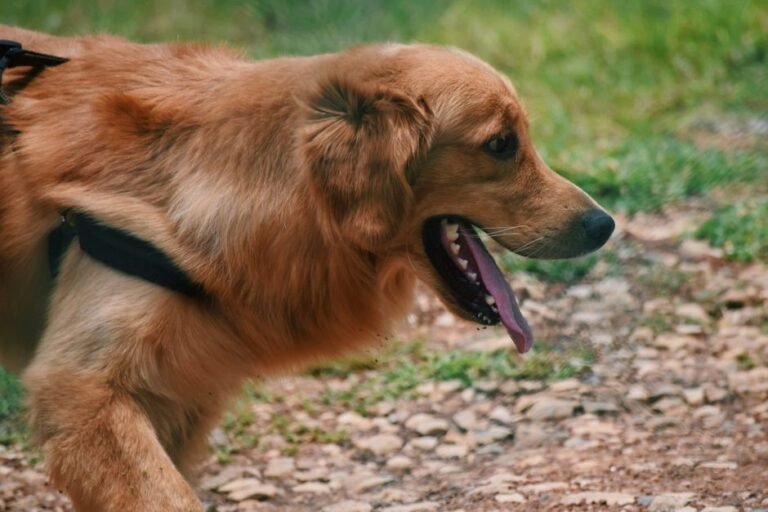
At security you’ll often be asked to carry your pet through while the empty carrier is screened, so a snug harness and leash make that moment much less risky.
Don’t give your pet any sedative or calming product unless your vet has recommended it for this specific trip. Sedation can affect breathing and balance at altitude, which is why many vets and airlines advise against it.
After landing, watch for anything beyond ordinary tiredness. Labored breathing, collapse, or repeated vomiting after a flight means going to a vet straight away.
Paperwork is where most trips fall apart, not the flight itself. Get the rules in writing, early, and keep copies on you.