How to Choose Luggage That Will Survive Checked Baggage
The bags that survive checked baggage are the ones with recessed or replaceable wheels, a telescoping handle that locks without wobble, and a shell or fabric that flexes instead of cracking. Brand name and price matter less than those three parts, because they are where durable checked luggage almost always fails first.
Baggage handling is rough in predictable ways. Bags are dropped onto belts, stacked under heavier cases, pushed down chutes, and pulled by whatever part sticks out. Anything that protrudes takes the hits, so shop by weak points rather than by looks.
Start with the wheels and handle
Wheels break more than anything else. Spinner cases with four exposed wheels roll beautifully through an airport, but each wheel sits on a small post that can snap when the bag lands on a corner. Two-wheel rollers with wheels set into the frame give up some convenience and gain a lot of toughness. If you prefer spinners, look for wheels that sit partly recessed and can be unscrewed and replaced; some makers sell replacement sets, which turns a broken wheel into a ten-minute fix instead of a new bag.
Next, extend the handle in the shop and shake it. A little play is normal. A handle that rattles side to side or sticks halfway will only get worse after a few trips through a conveyor system.
Hard shell or soft side for durable checked luggage
Neither wins outright. Polycarbonate shells flex under impact and spring back, which is why they dominate the checked-bag market. Cheaper ABS shells are easier on the wallet but more prone to cracking, especially in a cold cargo hold. High-denier or ballistic nylon softside bags shrug off scuffs, give a little when overpacked, and rarely split, though a sharp edge on a belt can tear them.
A few details separate a bag that lasts from one that doesn’t:
- Zippers: chunky coil or chain zippers that don’t strain when the bag is full.
- Corners: rubber or reinforced corner guards on hard cases.
- Carry handles: at least two, top and side, anchored through the frame rather than stitched only to fabric.
- Feet: small feet on the side so the case doesn’t drag on its shell when laid flat.
- Warranty: written cover for airline damage, not just manufacturing defects.
That last point tells you how much a brand trusts its own product. Read the fine print, because many “lifetime” warranties exclude handling damage entirely.
What to do when a bag comes back damaged
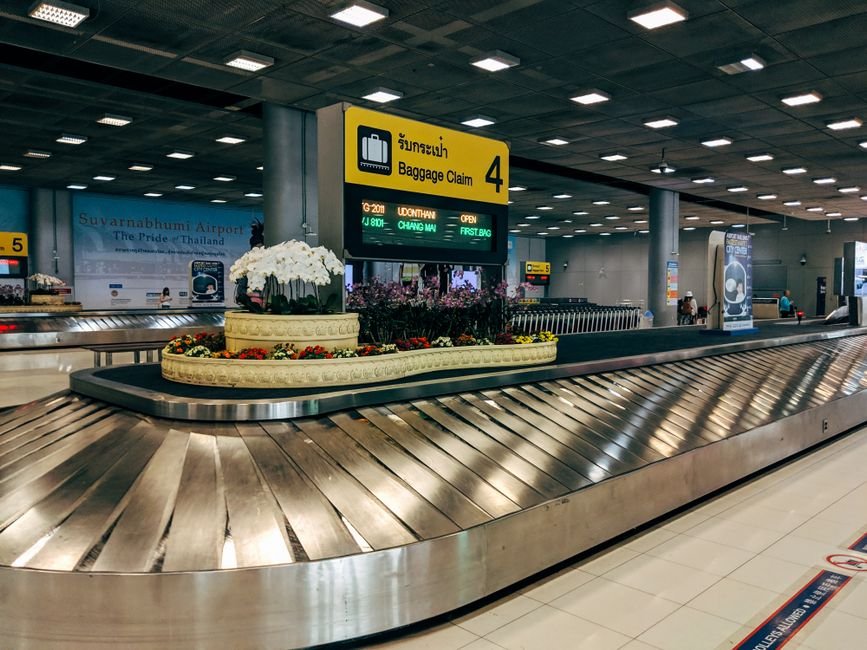
Even a well-built case can get crushed. Photograph it at the carousel and report the damage to the airline before you leave the baggage hall, since claim windows for damaged bags are short. If you’re flying within or from the EU, the EU’s official air passenger rights page explains the time limits and what compensation covers.
A tough bag lets you pack more freely, but weight still counts: overweight fees are one of the easiest charges to trip over, as covered in common mistakes people make booking budget airlines. And if you can manage without checking a bag at all, packing a carry-on for a two-week trip is more doable than it sounds.
Before you buy, flip the bag over and look at the wheels. If they look like an afterthought, they’ll be the first thing to go.