
How to Prepare for a Long Layover Overnight
The biggest decision for a night between flights is where you’ll sleep, and it’s best made before you fly. Good overnight layover preparation means picking between an airport hotel, a sleeping pod, a lounge, or the terminal itself, then packing so your carry-on covers the whole night without your checked bag.
Check whether you can leave the airport
Leaving the terminal for a hotel means passing through immigration in the transit country. Whether you’re allowed to depends on your nationality and the country’s rules, so check the destination government’s official immigration portal and your own government’s travel advice, such as the UK’s foreign travel advice pages, well before the trip. Don’t rely on what another traveler on a forum was allowed to do.
Also check whether your checked bag is booked through to your final destination. If it is, you can’t get to it overnight, which is why the carry-on matters so much.
Overnight layover preparation starts with where you sleep
A hotel inside the terminal or connected to it is the most restful choice, and some sit airside so you never clear immigration. Outside hotels are often cheaper but add transport time and a security queue in the morning.
Sleeping pods and day rooms are increasingly common at large hubs. They rent by the hour, and as of October 2026, rates vary widely, from roughly $15 to $40 an hour depending on the airport. Book ahead, since they fill on nights when many flights are delayed.
Lounges can work for part of the night, but many close for several hours overnight and some cap your stay. Check the opening hours for the specific lounge before counting on it.
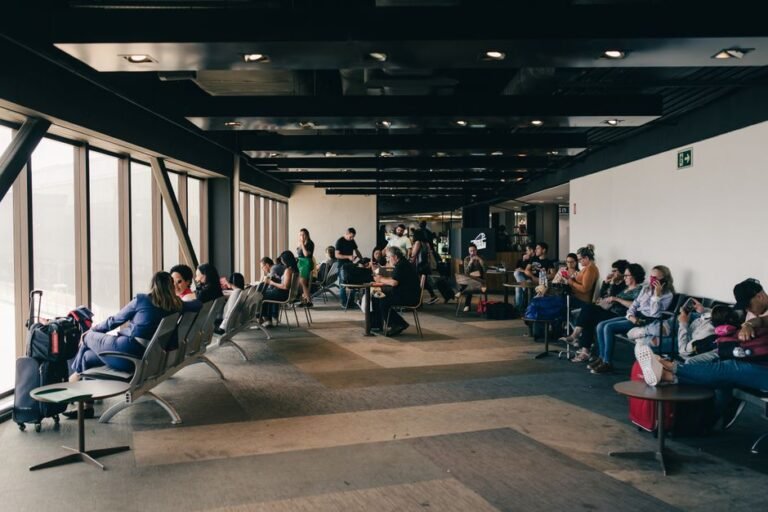
Sleeping in the terminal is free and perfectly normal at many airports. Look for quieter gates away from cleaning crews, and find a spot near a power outlet early.
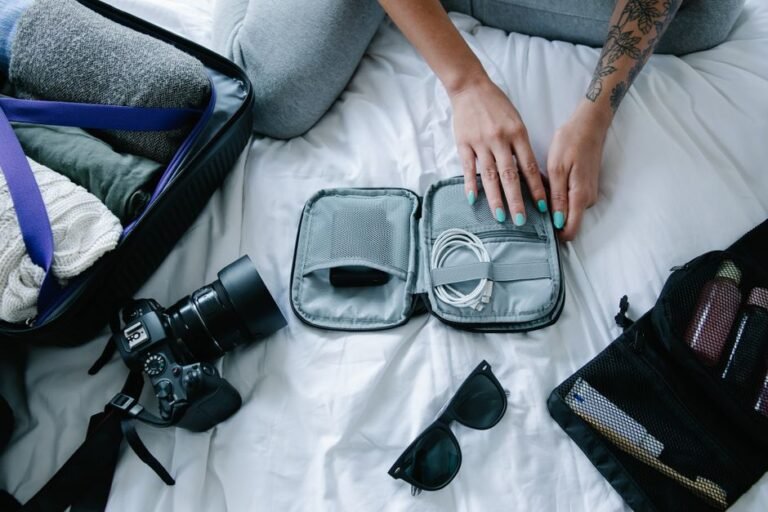
Pack the carry-on for the night
- a change of clothes, or at least fresh underwear and a T-shirt
- toothbrush, travel-size toothpaste, and face wipes, packed to fit carry-on liquid rules
- eye mask, earplugs, and a light layer, since terminals get cold at night
- any medication you take, with a day’s buffer
- a charger and a power bank
- a refillable water bottle, emptied before security
Plan around your body clock
If the layover crosses several time zones, decide whether you’re sleeping on the old time or the new one. Sleeping when it’s night at your destination gives you a head start, which is the same principle explained in what jet lag does to your body and what helps. Set two alarms, one on your phone and one on another device, and confirm the departure gate as soon as you wake, since gates often change overnight.
Keep your valuables close
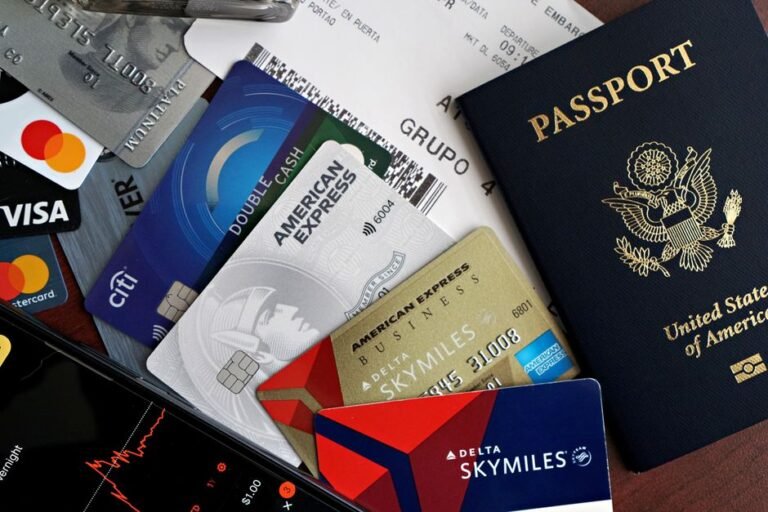
Sleep with your passport, phone, and wallet on your body rather than in a bag beside you. Loop a bag strap around your arm or leg if you’re sleeping in the open.
If anything about the transit rules is unclear, book the airside hotel or pod. Paying a bit more beats discovering at the immigration desk at midnight that you can’t leave.